Best Dog Sites

Generic selectors
Exact matches only
Search in title
Search in content
Post Type Selectors

Dog Training & Behavior

How to Socialize Your Dog with Other Pets and People?

One of the most important things to do when raising a well-behaved and confident dog is to socialize it. A dog that is well-socialized is less likely to be scared, anxious, or aggressive when it meets new people, pets, or places. Proper socialization helps your dog, whether it’s a puppy or an adult, learn how to get along with others and live a happier, more balanced life. This guide gives you useful tips on how to safely and effectively introduce your dog to other pets and people.

Know how important socialization is

Socialization is the act of letting your dog meet and interact with other dogs, animals, people, sounds, and places. Early socialization is very important for shaping a dog’s behavior. This is especially true for puppies between 3 and 14 weeks old. But adult dogs can also benefit from structured socialization if they are patient and get help. Good socialization lowers fear-based reactions, promotes good behavior, and keeps aggression or anxiety from happening in new situations.

Start off slowly and work your way up.

Slowly and in a controlled way, let your dog try new things. Fear and anxiety can get worse when you have sudden or too many encounters. Start with calm, low-stress situations and slowly get used to being around different people, animals, and places. Short, positive interactions work better than long, stressful ones. Your dog will gain confidence over time if you give them more and more difficult tasks.

Use Positive Reinforcement

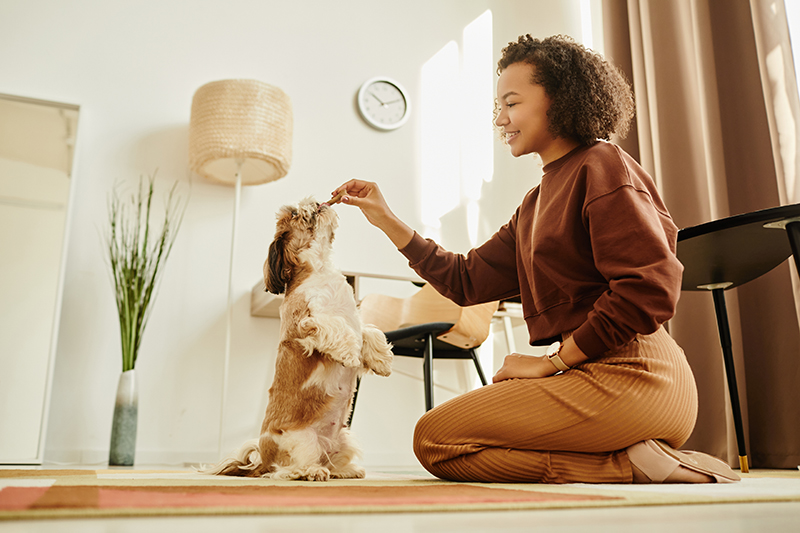
When you give your dog positive reinforcement, it helps them connect new experiences with rewards. Give your dog treats, praise, or playtime when he or she is calm around other pets or people. When you reward your dog for good behavior, they learn that being around other people is fun and safe. Don’t punish behavior that is scared or reactive, as this can make things worse and make it harder to socialize.

Be careful when you introduce other dogs.

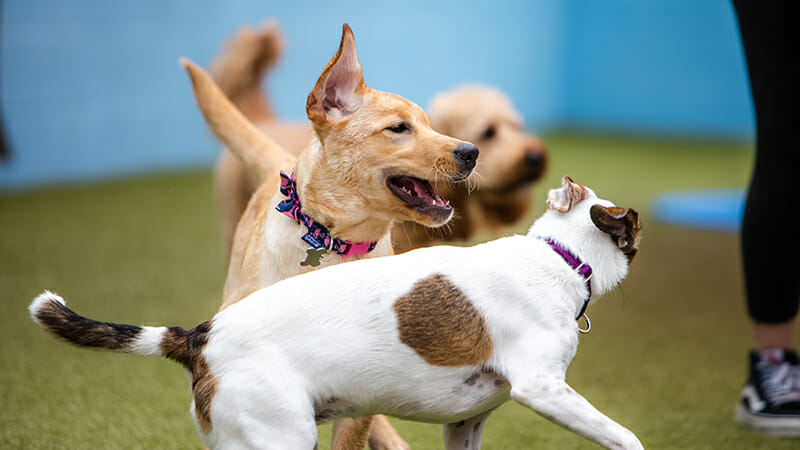
Pick calm and friendly dogs to hang out with when you’re with other dogs. Let dogs meet on neutral ground, and keep their first interactions short and watched. Pay close attention to body language. Relaxed postures, wagging tails, and loose movements show that the dog is comfortable, while stiff posture, growling, or raised hackles show that the dog is stressed. If things get tense, calmly separate the dogs and try again later. Your dog will feel safer and more confident around other dogs if you give them good experiences over time.

Encourage good interactions with other people

Let your dog meet people of all ages, looks, and behaviors. Have friends and family over, go to events that are good for dogs, or take your dog for walks in busy places. Praise calm, friendly behavior during these times. Teach your dog to say hello in a calm way and stop them from jumping or getting too excited. Regular exposure helps your dog learn how to behave around people and makes them less scared or aggressive.

Deal with anxiety and fear

Some dogs are naturally wary or scared of new things. Don’t make people interact with you if you don’t want to; this can make anxiety worse. Instead, step back and let your dog come to you when they’re ready. Slowly introduce them to the stimulus while giving them treats for staying calm. If your dog is very anxious, you should talk to a professional trainer or behaviorist to make sure that socialization is safe and works.

Practice in Different Places

Dogs need to be around more than just other pets and people. Going to parks, pet stores, busy streets, and even car rides are all parts of socialization. Every new experience helps your dog get used to new sights, sounds, and smells. Being in different places helps you feel more confident and less stressed in new situations.

Be patient and stick to it.

Socialization is something that happens all the time, not just once. To be successful, you need to be patient and stick with it. Regular, positive experiences will help your dog behave better and make him or her feel more at ease over time. Don’t rush or expect results right away; it takes time and effort to build social skills.

Questions and Answers

1. Is it still possible to socialize adult dogs?
Yes. It’s best to socialize dogs when they are young, but adult dogs can learn to get along with people and other pets with time and exposure.

2. How long should sessions for socializing last?
The best way to do it is in short, frequent sessions. To keep your dog from getting too tired, try to keep each session to 5–15 minutes.

3. What should I do if my dog gets aggressive when I’m around other people?
Stop the interaction right away and give your dog some room. If aggressive behavior keeps happening, talk to a professional trainer or behaviorist for help.

4. Should I give my dog treats every time I socialize with him?
Yes. Giving your dog treats and praise will help him or her connect social situations with good things, which will encourage calm and friendly behavior.

5. How can I tell if socialization is working?
Relaxed body language, a wagging tail, curiosity, and a willingness to meet new people or pets are all signs of progress. Less fear or anxiety during social interactions is a sign of successful socialization.

In conclusion

To have a happy, confident, and well-adjusted dog, you need to let it meet other pets and people. You can help your dog get better at being around other people and dogs by starting slowly, rewarding good behavior, introducing them to new people and dogs, and practicing in different places. To be successful at socializing your dog, you need to be patient, consistent, and know what your dog needs. Your dog will become comfortable, friendly, and well-behaved over time and with effort. This will make things better for both of you.

How to Socialize Your Dog with Other Pets and People? Read More »

Why Dogs Misbehave and How to Correct It Gently?

People love their dogs, but even the best-behaved pets can act up from time to time. The first step to fixing bad behavior in dogs is to figure out why they do it. People who misbehave are often not being stubborn; they are just not getting what they need, haven’t been trained, or are anxious. Correcting your dog’s behavior in a gentle way makes learning easier for both of you, strengthens your bond, and helps your dog become a well-behaved, confident friend. This guide talks about some common reasons for bad behavior and gives you some easy, kind ways to fix it.

Find out why people act badly.

Before you correct your dog’s bad behavior, you need to know why they are acting that way. Some common reasons are boredom, not getting enough exercise, not getting enough training, fear, anxiety, or health problems. For example, if your dog chews on furniture, it could mean they need more mental stimulation. If they bark too much, it could mean they’re anxious or trying to get your attention. Finding the root cause of a problem lets you deal with it in a more effective way than just punishing the symptom.

Give them enough exercise and mental stimulation.

Too much energy or boredom can cause a lot of behavioral problems. If dogs don’t get enough exercise or mental stimulation, they may bark too much, destroy things, or become hyperactive. Regular walks, playtime, and training sessions help keep your dog from getting too much energy and acting out. Puzzle toys, games that give treats, and interactive play are all good for your dog’s mind and keep them happy and busy.

Train with positive reinforcement

Positive reinforcement is a very good way to get people to behave well. Give your dog treats, praise, or playtime every time they do something you want them to do. For instance, give your dog a treat right away if he or she sits quietly instead of jumping on guests. Your dog will learn to do things that get him rewards instead of things that get him attention or hurt things. Positive reinforcement makes your bond stronger and helps you learn for a long time.

Make sure everyone knows the rules and limits.

When you correct bad behavior, you need to be consistent. Dogs need to know what is and isn’t okay. Set limits on how much furniture, rooms, or behavior is allowed during walks. Give commands that are gentle but firm to make your expectations clear. Your dog may get confused and act out more if the rules or reactions are not the same every time.

Redirect Bad Behavior

Instead of punishing your dog for bad behavior, give them something else to do with their energy. If your dog chews on shoes, give him a chew toy instead. If they bark too much, play with them or train them. Instead of just telling your dog what they can’t do, redirection shows them what they can do.

Don’t punish too harshly

Yelling or punishing someone can make them scared, anxious, and distrustful, which can make their behavior problems worse. It’s better for your dog and more effective to use gentle correction methods. When someone does something you don’t want them to do, calmly redirect them. When they do something you do want them to do, reward them. If you need to, get rid of things that tempt them. A patient, steady approach helps people learn without making them feel stressed.

Talk About Fear and Anxiety

Fear or anxiety can make people bark, chew things up, or act aggressively. Find out what makes your dog scared and slowly get them used to it with positive reinforcement. Make sure the area is safe and comfortable, and stay calm. If you have severe anxiety, talk to a veterinarian or a behaviorist to get personalized advice and possible treatment options.

Be patient and stick with it.

It takes time and patience to change your behavior. Dogs don’t learn things overnight, and some problems may take weeks or months of hard work to fix. Keep a positive attitude and celebrate small wins. To help your dog learn how to behave, you need to be consistent with the rules, training, and responses.

Questions and Answers

1. Why does my dog still act up even after I’ve trained him?
Dogs may act out because they are bored, not getting enough exercise, are anxious, or don’t know what is expected of them. To find the root of the problem, look at routines, stimulation, and consistency in training.

2. Can bad behavior be a sign of a health issue?
Yes. If your dog suddenly starts acting differently, being aggressive, or barking too much, it could be a sign of pain or illness. If strange behavior keeps happening, talk to a vet.

3. How can I stop bad behavior without yelling?
Give your dog a positive activity to do, use firm but calm commands, and reward good behavior. Don’t punish, because it can make people scared or anxious.

4. Is consistency really that important?
Yes, for sure. Dogs learn best when the rules and what you expect from them stay the same. Your dog may act out more if you send them mixed signals.

5. Can positive reinforcement fix every problem with behavior?
Most behaviors respond well to positive reinforcement, but some problems, like fear or anxiety, may need more help from a professional behaviorist.

Final Thoughts

Dogs act out for a number of reasons, such as when their needs aren’t being met, when they’re anxious, or when they haven’t been trained well enough. Punishment is not nearly as effective as figuring out why someone is acting out and using gentle, consistent methods to deal with it. Giving your dog exercise, mental stimulation, positive reinforcement, and clear rules will help them learn how to behave while keeping a strong, trusting bond. Your dog will be a well-behaved, confident, and happy friend if you are patient, persistent, and kind. This will make life better for both of you.

Why Dogs Misbehave and How to Correct It Gently? Read More »

How to Deal with Separation Anxiety in Dogs?

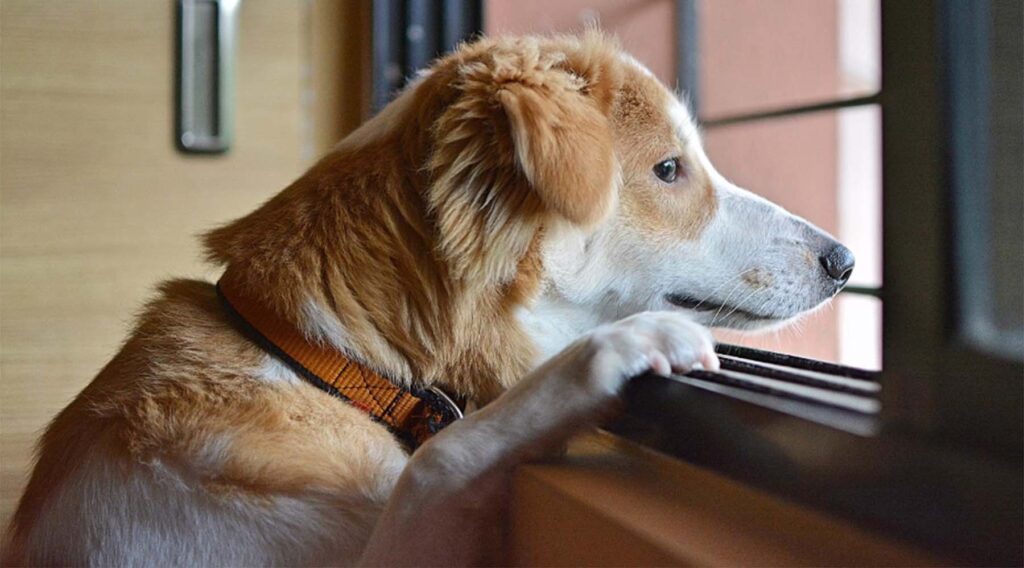
Separation anxiety is a common behavioral problem in dogs that can make both pets and their owners unhappy. When left alone, dogs with separation anxiety may bark too much, act destructively, or try to get away. Knowing what causes your dog’s anxiety, spotting the signs, and using effective strategies can help your dog feel safer and lower stress for everyone. This guide gives you useful tips on how to help your dog with separation anxiety at home.

Know the Signs of Separation Anxiety

Recognizing the signs is the first step in dealing with separation anxiety. Some common signs are barking or whining too much, chewing on furniture or doors, pacing, drooling, peeing or pooping inside even though they are house-trained, and trying to get out of small spaces. These behaviors usually happen right after the owner leaves or when they know they will be leaving soon. Understanding these signs can help you tell the difference between separation anxiety and other behavioral issues.

Desensitization over time

One of the best ways to help dogs deal with being alone is to slowly desensitize them. Begin by leaving your dog alone for short periods of time and then slowly lengthening those times. Start with only a few minutes and then gradually increase the time as your dog gets used to it. When you leave, give your child something good to do, like leaving a favorite toy or treat, to help them feel better about being alone.

Make a space that is safe and comfortable.

Giving someone a safe, comfortable place to be can help ease their anxiety. A lot of dogs feel safe in a crate or a room that has their bed, toys, and water. Put blankets, favorite toys, and smells that are familiar in the area to make it more inviting. Don’t leave the dog in places where they could hurt themselves or damage property. A safe space makes your dog feel safe and helps them relax when they’re by themselves.

Keep Arrivals and Departures Low-Key

When owners make a big deal out of leaving or arriving, dogs often get nervous. To ease your anxiety, keep your goodbyes short and calm, and don’t say goodbye for too long. When you get home, say hello to your dog in a calm way. This method helps keep your dog from connecting your comings and goings with high levels of excitement or stress.

Give your mind and body a workout

A dog that is tired is less likely to get anxious. Regular exercise and mental stimulation lower stress and use up energy that could otherwise turn into anxiety. Before you leave the house, walk your dog, play with it, or give it puzzle toys. When your dog is alone, mental and physical stimulation can help keep them busy and calm.

Use Positive Reinforcement

Give your dog treats when they are calm when they are alone or when you leave them alone. Don’t punish anxious behavior because it can make things worse. Positive reinforcement makes the behavior you want stronger, which helps your dog stay calm even when they’re alone. Praise, treats, or toys that require interaction can help keep a relaxed state.

Think about calming tools and products

Calming collars, pheromone diffusers, and background music made for pets are just a few of the things that can help dogs feel less anxious. These items make the environment more relaxing and can help with training. Always keep an eye on how your dog reacts and talk to your vet before giving them any calming aids or supplements.

Get Professional Help When You Need It

If your dog’s separation anxiety is bad or doesn’t go away even after you try to help, you should talk to a vet or a professional dog behaviorist. Sometimes, your dog may need behavioral therapy or short-term medication to help them deal with their anxiety. With professional help, you can make a plan that meets your dog’s needs in a safe and effective way.

Questions and Answers

1. How often do dogs have separation anxiety?
Around 14% to 20% of dogs have separation anxiety, and it happens more often in adopted dogs or dogs that have been through trauma.

2. Do puppies get anxious when they are left alone?
Yes. Puppies can develop anxiety when separated from their mother or littermates. Early socialization and slowly getting used to being alone can help avoid problems.

3. How long does it take to get over separation anxiety?
The dog’s level of anxiety and the severity of it will affect how much better they get. With regular training and care, progress is usually seen in a few weeks to a few months.

4. Does crate training help with anxiety about being alone?
Yes, if you do it right. A crate that is the right size can give your dog a safe place to be, but you shouldn’t use it as a punishment or leave them there for long periods of time.

5. Should I pay attention to my dog before I leave?
Keep departures calm and low-key. Saying goodbye in a very emotional way can make your dog more anxious instead of less.

In conclusion

To help a dog with separation anxiety, you need to be patient, consistent, and understanding. You can help your dog feel more secure and less anxious by recognizing the signs, slowly getting him used to being alone, giving him a safe place to stay, and rewarding him for good behavior. Calm arrivals and departures, as well as mental and physical stimulation, are good for your dog’s emotional health. For very bad cases, getting help from a professional makes sure that management is safe and effective. If you spend time and effort with your dog, they can learn to handle being alone. This will make them happier and more relaxed, and your home will be more peaceful.

How to Deal with Separation Anxiety in Dogs? Read More »

How to Teach Your Dog Basic Commands at Home?

Teaching your dog basic commands is one of the most important steps toward building a strong, trusting bond and ensuring their safety. Commands such as “sit,” “stay,” “come,” and “leave it” not only make daily life easier but also provide mental stimulation for your dog. The good news is that you don’t need a professional trainer or expensive classes to teach your dog these skills—consistent practice at home can yield excellent results. This guide outlines simple, effective strategies to teach your dog basic commands in a positive, stress-free way.

Start with Positive Reinforcement

Positive reinforcement is the foundation of successful dog training. This method involves rewarding your dog with treats, praise, or play whenever they perform the desired behavior. Dogs respond better to encouragement than punishment, and positive reinforcement helps them associate commands with enjoyable outcomes. Make sure rewards are immediate so your dog connects the action with the reward clearly.

Choose a Quiet Training Environment

When starting out, pick a quiet, distraction-free area in your home to focus your dog’s attention. Limiting distractions helps your dog concentrate and speeds up learning. As your dog becomes more proficient, gradually introduce distractions, such as other people or pets, to reinforce command reliability in real-life situations. Short, focused training sessions of 5–10 minutes, several times a day, are more effective than long, tiring sessions.

Teach the “Sit” Command

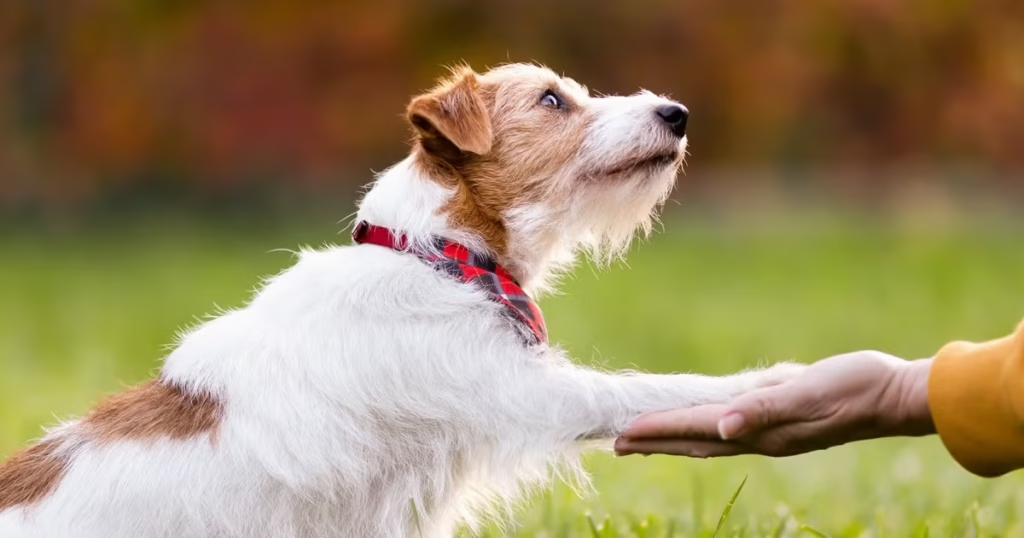
The “sit” command is usually the easiest for dogs to learn and a great starting point. Hold a treat close to your dog’s nose and slowly move it upward and back over their head. As your dog naturally lowers their hindquarters to follow the treat, say “sit” and immediately reward them. Repeat this process consistently until your dog sits on command without a treat lure.

Teach the “Stay” Command

Once your dog masters “sit,” you can introduce “stay.” Ask your dog to sit, then hold your palm out in front of them and say “stay.” Take a small step back and immediately return to reward them if they remain in position. Gradually increase the distance and duration, rewarding your dog each time. This command helps with impulse control and is essential for safety in various situations.

Teach the “Come” Command

The “come” command is crucial for keeping your dog safe off-leash. Begin in a quiet space with minimal distractions. Use a cheerful tone and say “come” while gently guiding your dog toward you. When they reach you, reward them generously with treats, praise, or play. Avoid scolding your dog if they don’t come immediately; instead, make coming to you a positive, enjoyable experience.

Teach the “Leave It” Command

The “leave it” command teaches your dog self-control and helps prevent them from picking up harmful objects. Place a treat in your hand and close your fist, letting your dog sniff but not take it. Say “leave it” and wait until your dog stops trying to grab it. Reward them immediately once they disengage. Gradually practice with items on the floor, always rewarding compliance to reinforce the behavior.

Be Patient and Consistent

Patience and consistency are key to successful training. Dogs learn at different speeds, and some commands may take longer than others. Use the same word or gesture for each command and practice regularly. Avoid showing frustration, as this can confuse your dog and slow progress. Consistent repetition and positive reinforcement lead to faster learning and stronger habits.

Make Training Fun

Training should be enjoyable for both you and your dog. Incorporate play, praise, and treats to keep sessions engaging. Short, frequent training sessions prevent boredom and maintain your dog’s attention. Fun and positive experiences during training strengthen your bond and make your dog more eager to learn.

FAQs

1. How long does it take to teach basic commands?
Most dogs can learn basic commands within a few weeks with consistent practice. Some may require more time, depending on age, breed, and previous training experience.

2. Can puppies learn basic commands?
Yes. Puppies can start learning commands as early as eight weeks old. Short, frequent sessions and positive reinforcement work best for young dogs.

3. Should I use treats every time?
Initially, use treats to motivate and reinforce behavior. Gradually, you can reduce treats and rely more on praise and affection as your dog becomes proficient.

4. How do I handle distractions during training?
Start in a quiet environment and gradually introduce distractions. Reward your dog for maintaining focus, increasing the challenge step by step.

5. What if my dog doesn’t respond to a command?
Remain patient and avoid punishment. Go back to simpler steps, use higher-value rewards, and practice consistently until your dog succeeds.

Conclusion

Teaching your dog basic commands at home is achievable with patience, consistency, and positive reinforcement. Starting with commands like “sit,” “stay,” “come,” and “leave it” establishes a foundation for good behavior and safety. Short, engaging training sessions, combined with rewards and praise, make learning enjoyable for your dog while strengthening your bond. By following these steps, you can raise a well-behaved, confident, and happy dog who responds reliably to your commands.

How to Teach Your Dog Basic Commands at Home? Read More »

Best Positive Reinforcement Training Tips for Beginners

One of the best and most humane ways to teach dogs good behavior is through positive reinforcement training. Instead of punishing bad behavior, it rewards good behavior. This makes learning fun and strengthens the bond between you and your pet. Using positive reinforcement can help your dog learn commands, manners, and tricks quickly, whether you’re a new dog owner or want to improve your training methods. This guide has the best tips for beginners who want to start training with positive reinforcement.

Learn the Basics of Positive Reinforcement

The idea behind positive reinforcement is to reward behaviors that you want to see more of. You should always give your dog a reward right away when it does something you want it to do. This could be treats, praise, toys, or play. The reward makes your dog want to do the same thing again. Timing and consistency are very important. The reward must come right after the behavior for your dog to understand what it means.

Begin with Easy Commands

Start teaching your dog simple commands like “come,” “stay,” “sit,” and “leave it.” For beginners, simple commands are easier to learn and help build a base for more advanced behaviors. Split each command into small parts and give your dog a treat when they do something right. For instance, when you teach your dog to “sit,” give them a treat even if they only lower their back legs a little bit at first. This will help them learn the whole behavior.

Use Rewards That Are Worth a Lot

Not all rewards are equally motivating for dogs. When teaching new behaviors or in places where it’s hard to pay attention, high-value rewards like small pieces of chicken, cheese, or favorite treats work better. For dogs who like interactive rewards, toys or playtime can also be used as rewards. Try different things to see what gets your dog excited and use that to your advantage.

Make sure your training sessions are short and fun.

Dogs don’t pay attention for very long, so it’s better to train them in short, frequent sessions than in long, tiring ones. Try to have sessions that last 5 to 10 minutes several times a day. Finish each session on a good note by rewarding a good behavior. Your dog will stay motivated and not get bored if you make training fun and interesting.

Be consistent with rewards and cues.

For positive reinforcement training to work, you need to be consistent. Use the same words and hand signals for each command, and at first, reward the behavior you want every time. You can slowly cut back on treats and rely more on praise and love over time. Your dog will know exactly what you want if you give them the same cues and rewards every time.

Don’t punish

Punishment or negative reinforcement can make people scared, anxious, and confused. Dogs that are trained with harsh methods may think that training is stressful instead of learning. Positive reinforcement helps your dog learn in a safe and fun way, which strengthens your bond and boosts your dog’s confidence. Instead of punishing your dog when they make a mistake, calmly show them the right way to act.

Use a clicker or marker

A word like “yes” or a clicker can help your dog know when they’ve done the right thing. A reward comes right after the marker. This clear communication speeds up learning and makes training work better. Clicker training is especially good for teaching complicated behaviors or making new tricks.

Slowly add things that will distract you

When your dog consistently follows commands in a quiet place, start adding distractions like other people, pets, or noises from outside. Give your dog a treat when he or she stays focused even when there are distractions. This step makes sure that your dog can do things correctly in real life, not just during training sessions that are controlled.

Be Patient and Stay Positive

It takes time to train a dog, and they learn at different speeds. You need to be patient and positive. Stay calm and positive, and celebrate small wins. Don’t get angry or upset, as this can slow down progress and make your dog less motivated. When both you and your dog enjoy learning, positive reinforcement works best.

Questions and Answers

1. What is the difference between punishment and positive reinforcement?
Positive reinforcement rewards desired behavior to encourage repetition, while punishment tries to stop unwanted behavior through fear or discomfort. Positive reinforcement is safer and works better for long-term learning.

2. Is it okay to use treats for every training session?
At first, treats work really well. You can switch to praise, toys, or affection as your main rewards over time, but you should still use treats now and then to keep your motivation up.

3. How often do I need to train my dog?
Short, frequent sessions of 5 to 10 minutes, two to four times a day, are best for keeping your dog interested and not getting tired.

4. What if my dog doesn’t want to train anymore?
You could try changing the rewards, adding variety, or making the sessions shorter. Using toys or treats that are very valuable or that your dog loves can help them get their motivation back.

5. Can giving puppies and adult dogs positive reinforcement work?
Yes. Positive reinforcement works for dogs of all ages and breeds. It lays the groundwork for learning and strengthens the bond between people and dogs at any time.

In the end

Positive reinforcement training is a fun, effective, and powerful way to teach your dog the behaviors you want. You can get great results by following the rules, starting with simple commands, using high-value rewards, keeping sessions short, and being consistent. Don’t punish them; instead, use markers or clickers to help them learn. Slowly add distractions to help them learn. Your dog will be well-behaved, confident, and happy if you are patient, positive, and practice with them often. This will also strengthen the bond between you and your furry friend. These tips for beginners show how positive reinforcement training can help you learn and behave well for the rest of your life.

Best Positive Reinforcement Training Tips for Beginners Read More »