
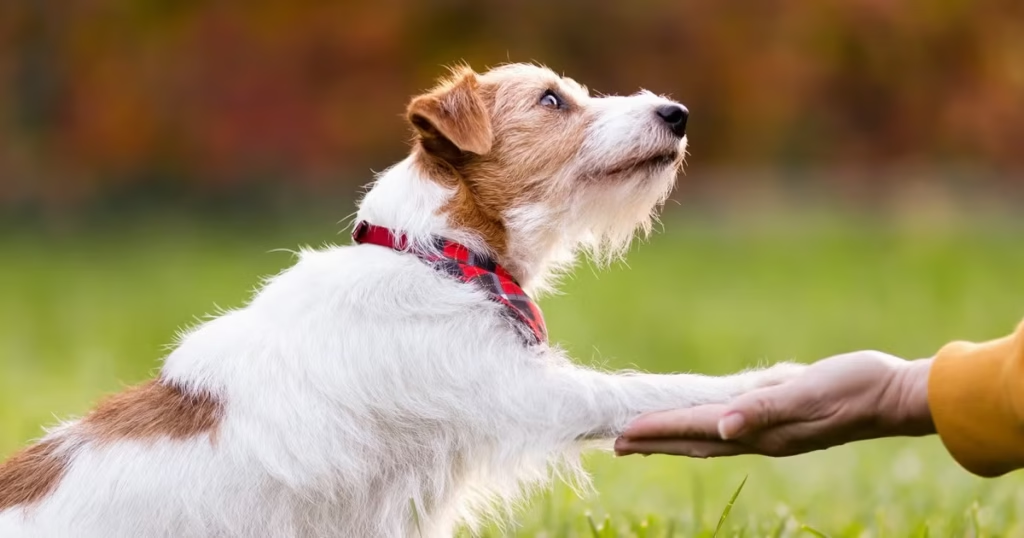
One of the best and most humane ways to teach dogs good behavior is through positive reinforcement training. Instead of punishing bad behavior, it rewards good behavior. This makes learning fun and strengthens the bond between you and your pet. Using positive reinforcement can help your dog learn commands, manners, and tricks quickly, whether you’re a new dog owner or want to improve your training methods. This guide has the best tips for beginners who want to start training with positive reinforcement.
Learn the Basics of Positive Reinforcement
The idea behind positive reinforcement is to reward behaviors that you want to see more of. You should always give your dog a reward right away when it does something you want it to do. This could be treats, praise, toys, or play. The reward makes your dog want to do the same thing again. Timing and consistency are very important. The reward must come right after the behavior for your dog to understand what it means.
Begin with Easy Commands
Start teaching your dog simple commands like “come,” “stay,” “sit,” and “leave it.” For beginners, simple commands are easier to learn and help build a base for more advanced behaviors. Split each command into small parts and give your dog a treat when they do something right. For instance, when you teach your dog to “sit,” give them a treat even if they only lower their back legs a little bit at first. This will help them learn the whole behavior.
Use Rewards That Are Worth a Lot
Not all rewards are equally motivating for dogs. When teaching new behaviors or in places where it’s hard to pay attention, high-value rewards like small pieces of chicken, cheese, or favorite treats work better. For dogs who like interactive rewards, toys or playtime can also be used as rewards. Try different things to see what gets your dog excited and use that to your advantage.
Make sure your training sessions are short and fun.
Dogs don’t pay attention for very long, so it’s better to train them in short, frequent sessions than in long, tiring ones. Try to have sessions that last 5 to 10 minutes several times a day. Finish each session on a good note by rewarding a good behavior. Your dog will stay motivated and not get bored if you make training fun and interesting.
Be consistent with rewards and cues.
For positive reinforcement training to work, you need to be consistent. Use the same words and hand signals for each command, and at first, reward the behavior you want every time. You can slowly cut back on treats and rely more on praise and love over time. Your dog will know exactly what you want if you give them the same cues and rewards every time.
Don’t punish
Punishment or negative reinforcement can make people scared, anxious, and confused. Dogs that are trained with harsh methods may think that training is stressful instead of learning. Positive reinforcement helps your dog learn in a safe and fun way, which strengthens your bond and boosts your dog’s confidence. Instead of punishing your dog when they make a mistake, calmly show them the right way to act.
Use a clicker or marker
A word like “yes” or a clicker can help your dog know when they’ve done the right thing. A reward comes right after the marker. This clear communication speeds up learning and makes training work better. Clicker training is especially good for teaching complicated behaviors or making new tricks.
Slowly add things that will distract you
When your dog consistently follows commands in a quiet place, start adding distractions like other people, pets, or noises from outside. Give your dog a treat when he or she stays focused even when there are distractions. This step makes sure that your dog can do things correctly in real life, not just during training sessions that are controlled.
Be Patient and Stay Positive
It takes time to train a dog, and they learn at different speeds. You need to be patient and positive. Stay calm and positive, and celebrate small wins. Don’t get angry or upset, as this can slow down progress and make your dog less motivated. When both you and your dog enjoy learning, positive reinforcement works best.
Questions and Answers
1. What is the difference between punishment and positive reinforcement?
Positive reinforcement rewards desired behavior to encourage repetition, while punishment tries to stop unwanted behavior through fear or discomfort. Positive reinforcement is safer and works better for long-term learning.
2. Is it okay to use treats for every training session?
At first, treats work really well. You can switch to praise, toys, or affection as your main rewards over time, but you should still use treats now and then to keep your motivation up.
3. How often do I need to train my dog?
Short, frequent sessions of 5 to 10 minutes, two to four times a day, are best for keeping your dog interested and not getting tired.
4. What if my dog doesn’t want to train anymore?
You could try changing the rewards, adding variety, or making the sessions shorter. Using toys or treats that are very valuable or that your dog loves can help them get their motivation back.
5. Can giving puppies and adult dogs positive reinforcement work?
Yes. Positive reinforcement works for dogs of all ages and breeds. It lays the groundwork for learning and strengthens the bond between people and dogs at any time.
In the end
Positive reinforcement training is a fun, effective, and powerful way to teach your dog the behaviors you want. You can get great results by following the rules, starting with simple commands, using high-value rewards, keeping sessions short, and being consistent. Don’t punish them; instead, use markers or clickers to help them learn. Slowly add distractions to help them learn. Your dog will be well-behaved, confident, and happy if you are patient, positive, and practice with them often. This will also strengthen the bond between you and your furry friend. These tips for beginners show how positive reinforcement training can help you learn and behave well for the rest of your life.