Best Dog Sites

Generic selectors
Exact matches only
Search in title
Search in content
Post Type Selectors

Dog Nutrition & Food

Simple Steps to Stop Your Dog from Barking Too Much

Dogs bark to talk to each other, but too much barking can be a problem for pet owners and their neighbors. Some barking is normal, like when a dog sees someone coming or is excited. But if your dog barks all the time and can’t stop, it could mean that they are bored, anxious, or have unmet needs. Learning how to manage and reduce excessive barking is essential for a harmonious home environment and a happier, calmer dog. This guide gives you simple, effective steps to take to stop your dog from barking too much while still keeping a good, trusting relationship with them.

Find out why your dog is barking

Understanding the reason for the barking is the first step in dealing with it. Dogs bark for a number of reasons, such as being bored, scared, anxious, wanting attention, or protecting their territory. You can pick the best way to stop barking once you know what is causing it. Look at your dog’s body language, surroundings, and triggers to figure out why they are barking too much. This knowledge helps you deal with the problem at its source instead of just the symptom.

Give them enough exercise and mental stimulation

Dogs that are bored or not getting enough mental stimulation often bark too much to let off steam. Daily exercise, like walks, playtime, or fetch, helps your dog get rid of extra energy and makes it less likely that they will bark. It’s also important to keep your dog’s mind active. Puzzle toys, treat-dispensing games, and training exercises are all good ways to do this. A dog that gets a lot of exercise is usually calmer and doesn’t bark as much.

Use the same commands and training every time.

Giving your dog clear, consistent commands can help keep him from barking too much. Use positive reinforcement to teach your dog words like “quiet” or “enough.” Give your dog treats, praise, or playtime when they stop barking on command. Don’t yell at your dog because it can confuse them and make them bark more. Your dog will learn how to behave over time if you train him in a calm and consistent way.

Less Triggers

Find and limit your dog’s exposure to things that make them bark. For instance, if your dog barks at people walking by outside, you can block the view with curtains or use baby gates to keep him from getting to certain areas. If your dog is sensitive to noise, play calming music or white noise in the background to drown out outside sounds. If you keep your dog away from things that make them bark, they won’t start barking all the time.

Don’t encourage barking.

Barking can sometimes be unintentionally reinforced. For example, paying attention to your dog when they bark or letting them have what they want makes the behavior worse. Be aware of how you respond and don’t give treats, petting, or access to restricted areas to dogs that bark. Instead, give rewards for calm behavior and point people in the right direction for what to do.

Use techniques that reinforce good behavior.

Positive reinforcement works very well to teach dogs new ways to act. When your dog is quiet when they would normally bark, give them a treat. Gradually make things harder by exposing them to mild triggers while encouraging them to stay calm. As time goes on, your dog learns that being quiet is good for them, which makes them less likely to bark a lot.

Deal with separation anxiety

Some dogs bark a lot when they are left alone because they are afraid of being alone. If this is the case, slowly get your dog used to being alone by leaving him or her alone for short periods of time that get longer over time. Give them toys, comfort items, or puzzle feeders to keep them busy and calm. If your dog is barking a lot because of anxiety, you may want to talk to a veterinarian or a professional dog trainer for help.

If you need it, think about getting professional help.

If your dog’s barking persists despite your efforts, seeking professional help may be necessary. A certified dog trainer or behaviorist can look at how your dog acts, figure out what’s wrong, and make a training plan just for your dog. With professional help, you can be sure that your dog learns the right behaviors in a safe and effective way.

Common Questions

1. Is barking always a bad thing?

No. Dogs bark to talk to each other in a natural way. You should deal with barking that is too loud and bothers your family or causes stress, but barking that is normal for alerts or play is good.

2. How long does it take to stop barking too much?

The time frame changes based on your dog’s age, breed, and the reason for the problem. Usually, consistent training and positive reinforcement show results in a few weeks to a few months.

3. Are anti-bark collars okay?

Some collars, like citronella or vibration collars, might help in some situations, but they should only be used as part of a bigger training plan. Don’t use shock collars because they can make your dog scared and anxious.

4. Will puppies bark less as they get older?

Puppies bark more when they’re excited or when they’re learning their limits. Most puppies learn how to bark properly as they get older if they are trained and socialized regularly.

5. What can I do to reward my dog for being quiet?

Give treats, praise, or playtime right away for calm behavior. If you want your dog to connect being quiet with good things, timing is very important.

The End

It can be hard to deal with a dog that barks too much, but with patience, consistency, and understanding, it can be done. To cut down on barking, you need to find out what’s causing it, give the dog enough exercise and mental stimulation, use consistent training, and reward calm behavior. Don’t punish barking or give it a reward by accident. If you need help, get it from a professional. You can make your home a peaceful place to live and help your dog learn to behave well by using these tips. This will make your bond with your dog stronger.

Simple Steps to Stop Your Dog from Barking Too Much Read More »
Best Homemade Dog Food Recipes That Are Easy and Nutritious

One of the most important things you can do as a pet owner is to give your dog a healthy, balanced diet. Commercial dog foods are easy to find, but making your own meals lets you choose the ingredients, so your dog gets fresh, healthy food without any extra chemicals or preservatives. Making dog food at home can be easy, full of important nutrients, and made just for your dog’s needs. In this guide, we’ll look at some simple, healthy, and tasty recipes for homemade dog food that your furry friend will love. We’ll also give you tips on how to make sure that every meal is good for their health.

Why You Should Make Your Own Dog Food

Making your own dog food lets you give your dog high-quality ingredients that help them grow, give them energy, and keep them healthy. Many store-bought foods have fillers, fake flavors, or by-products that might not be good for your health. You can make sure you get the right amounts of fresh meats, vegetables, grains, and healthy fats by cooking at home. This method can help your dog’s coat, digestion, and energy levels. Also, cooking at home lets you make meals that are safe and healthy for everyone, even if they have allergies, food sensitivities, or special dietary needs.

Important Nutritional Parts for Dogs

A balanced homemade meal should have protein, carbs, fats, vitamins, and minerals in it. Proteins, such as chicken, beef, fish, or eggs, help build muscle and keep the body healthy. Rice, quinoa, and sweet potatoes are all good sources of carbohydrates that give you energy for your daily activities. Fish oil and coconut oil are two examples of healthy fats that can help your skin and coat look better. Vegetables like carrots, spinach, and peas supply fiber, vitamins, and antioxidants. Lastly, supplements like calcium or omega-3 fatty acids can improve your dog’s diet, but you should talk to your vet before giving them to your dog.

How to Make Easy Chicken and Rice Dog Food

Chicken and rice is a classic homemade dog food that is easy on the stomach and has a lot of protein. To make this meal, boil a cup of chicken breast until it’s fully cooked, then shred it into small pieces. Make one cup of brown rice on its own and then add it to the chicken. Add steamed peas and carrots for fiber and vitamins. Drizzle a teaspoon of olive oil over the mixture to add healthy fats. Let the food cool down before you serve it. This recipe is good for most adult dogs. You can keep it in the fridge for up to three days or freeze it in portions to use later.

Beef and vegetable stew that is good for you

A hearty stew made with beef and vegetables is both filling and good for you. Use lean ground beef or small pieces of beef and cook them all the way through in a pot. Add diced sweet potatoes, green beans, and zucchini, and cook until they are soft. You can also add a little bit of brown rice or oatmeal to give you more carbs. Add a teaspoon of fish oil to the end for omega-3 fatty acids. This stew has a good mix of protein, fiber, and vitamins that will keep your dog healthy and full of energy. It’s great for dogs who like meals that are soft and easy to digest.

A Healthy Meal of Salmon and Quinoa

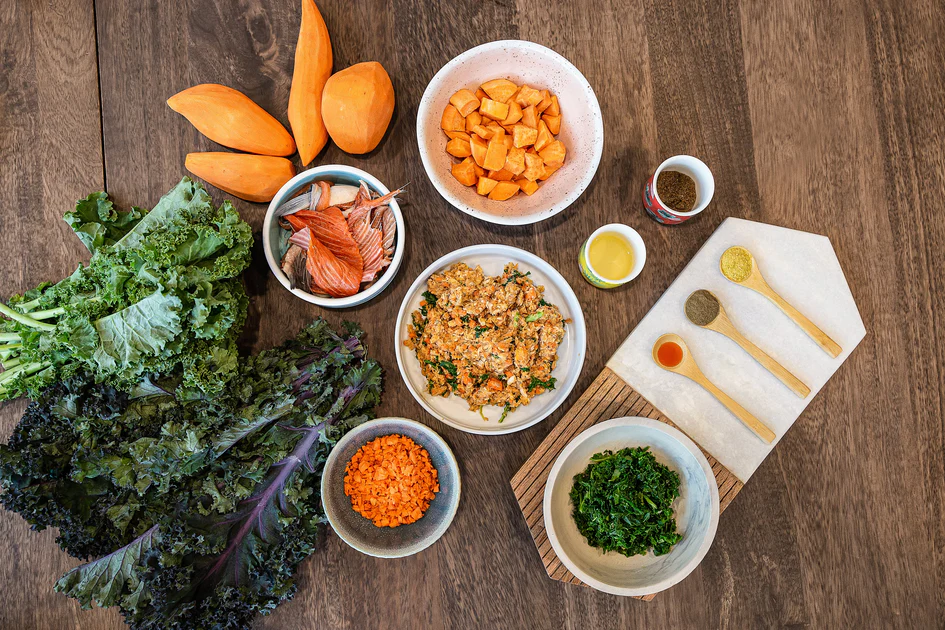
Salmon is a great source of high-quality protein and essential fatty acids that are good for the health of your skin and coat. Bake a salmon fillet until it’s fully cooked, then break it up into small pieces for a quick and easy meal. Make ½ cup of quinoa and stir it into the salmon. Adding steamed broccoli, carrots, or peas will give you more fiber and vitamins. To help your bones stay healthy, you can sprinkle a little bit of calcium supplement or finely ground eggshell powder on them. Salmon has a lot of omega-3s, which makes this recipe great for dogs with dull coats or dry skin.

Sweet Potato and Turkey Delight

Turkey is low in fat, easy to digest, and often suggested for dogs with sensitive stomachs. Mix together cooked ground turkey, mashed sweet potatoes, and a handful of cooked green beans. Sweet potatoes are a good source of beta-carotene and complex carbohydrates, both of which are good for your eyes and immune system. For more flavor and healthy fats, you can also add a teaspoon of coconut oil. This meal is good for adult dogs, and you can make a lot of it at once to make meal prep easier. To avoid any stomach problems, make sure all the ingredients are fully cooked and cooled before serving.

How to safely make dog food at home

Safety is the most important thing to think about when making food for your dog at home. Toxic foods like onions, garlic, grapes, raisins, chocolate, and xylitol should never be eaten. To avoid getting sick from bacteria, make sure all meats are fully cooked. To get rid of pesticides and other harmful substances, wash vegetables well. It’s also important to control how much food your dog eats. To keep them at a healthy weight, feed them based on their size, age, and level of activity. To avoid stomach problems, slowly add new recipes to their diet. If you talk to your vet on a regular basis, you can be sure that the meals you make for your dog at home are full of the nutrients they need.

How to Store Homemade Dog Food

To keep homemade dog food fresh and safe, it needs to be stored correctly. You can keep portions in the fridge for up to three days if you put them in airtight containers. If you want to keep meals for a long time, freeze them in single servings and then thaw them in the fridge before serving. Don’t leave prepared meals out at room temperature for long periods of time because this can help bacteria grow. Putting the date of preparation on containers helps you keep track of how fresh they are. If you follow the right storage instructions, your dog will always get safe, high-quality food.

Pros of a Homemade Diet

There are many benefits to giving your dog homemade food. Dogs often have better digestion, shinier coats, healthier skin, and more energy. You can customize homemade diets, which is especially good for dogs with allergies, intolerances, or health problems. Cooking at home can also help you and your pet get closer because mealtime becomes a time when you both care for and pay attention to each other. Giving your dog balanced, high-quality meals is an investment in their long-term health and happiness.

Questions and Answers

1. Is homemade dog food a good substitute for store-bought food?
Yes, if they are nutritionally balanced, homemade meals can completely take the place of store-bought dog food. Talk to your vet to make sure that all the important nutrients are there.

2. How often should I make my dog meals at home?
You can make homemade meals every day or in large batches and keep them in the fridge for up to three days or longer in the freezer.

3. Are there any foods I shouldn’t give my dog at home?
Stay away from foods that are bad for you, like onions, garlic, chocolate, grapes, raisins, and artificial sweeteners like xylitol. Before you feed your pet, always look up new ingredients.

4. Is it okay for puppies to eat dog food made at home?
Yes, but puppy recipes need more protein and fat to help them grow. Before giving young dogs homemade food, always talk to your vet.

5. How can I tell if the dog food I made at home has all the nutrients it needs?
A veterinarian or pet nutritionist can help you come up with recipes that give your pet all the nutrients they need. Depending on the recipe, you might need to take supplements for calcium, vitamins, or fatty acids.

In conclusion

Making your own dog food is an easy and effective way to give your pet fresh, healthy meals without the extra ingredients that are sometimes found in store-bought food. Chicken and rice, beef and vegetable stew, salmon with quinoa, and turkey with sweet potatoes are all good recipes that give your dog a balanced diet that helps with digestion, coat health, and overall health. You can safely feed your dog at home and make meals that are just right for them if you follow the right steps for preparing, portioning, and storing food. A homemade diet not only makes your dog healthier, but it also strengthens your bond with them, which will make your life together happier and healthier.

Best Homemade Dog Food Recipes That Are Easy and Nutritious Read More »

How to Potty Train Your Puppy Quickly and Easily?

Bringing a new puppy home is an exciting experience, but one of the first challenges many pet owners face is potty training. To keep your home clean, have a well-behaved dog, and have a strong bond with your furry friend, you need to teach your puppy when and where to go to the bathroom. Potty training takes time and effort, but there are ways to speed up the process and make it easier for you and your puppy. This guide gives you real, tried-and-true ways to quickly and effectively potty train your puppy.

Set up a regular schedule

Being consistent is the key to successful potty training. Setting a regular schedule for your puppy helps them learn when and where to go, and they do best with predictable schedules. Every day, feed your puppy at the same times and take them outside right after meals, naps, and playtime. Taking your puppy outside to go to the bathroom on a regular basis will help them understand that this is the right place to go.

Pick a specific place for the potty

Choose a certain spot in your yard or nearby outdoor space where your puppy can always go. Taking your puppy to the same place every time helps them learn the habit and makes it easier for them to connect that place with potty time. Using a consistent command, such as “go potty,” while your puppy eliminates can also help them connect the action with the cue. Your puppy will learn to follow the command and know what to do over time.

Watch Your Puppy Inside

During the potty training process, supervision is very important. To avoid accidents and catch early signs that your puppy needs to go, keep a close eye on them when they’re inside. Some signs are sniffing around, going in circles, whining, or going to the door. If you can’t watch them directly, think about putting them in a crate or a small area where they can’t go to the bathroom.

How to Use Crate Training Well

Crate training is a great way to help your dog learn how to use the bathroom. Dogs naturally don’t want to go to the bathroom where they sleep, so a crate that fits them well makes them wait until they are outside. Make sure the crate is big enough for your puppy to stand up, turn around, and lie down comfortably. It shouldn’t be so big that they can go to the bathroom in one corner and sleep in another. To reinforce good habits, give your dog crate time and take them out to go to the bathroom often.

Praise and reward good behavior

To train your child to use the potty quickly, you need to use positive reinforcement. Give your puppy treats, praise, or playtime right after they go to the bathroom in the right place. Timing is very important; rewards should happen right after the behavior so your puppy can make the connection. Don’t punish accidents because they can make people scared and confused. Instead, calmly clean up and show your puppy where to go.

Stay calm when accidents happen

It’s normal for kids to have accidents while they’re learning to use the potty, especially in the first few weeks. Don’t scold your puppy because it can make learning harder. Use an enzymatic cleaner to get rid of smells and keep your puppy from going back to the same spot. For long-term success, consistency, supervision, and regular potty breaks are better than punishment.

Keep an eye on the schedule for feeding and watering.

You can guess when your puppy needs to go potty by keeping track of how much food and water they eat. Set times for feeding your puppy and don’t let them eat whenever they want, as this can make their bathroom habits unpredictable. Scheduled feeding times are in line with potty breaks and cut down on accidents because puppies usually need to go right after eating. Also, don’t let your puppy drink too much water right before bed, but make sure he or she stays hydrated during the day.

Be patient and keep going.

You need time, patience, and determination to potty train. Some puppies learn faster than others, and some may take longer. To help people stick to good habits, they need to be consistent, supervised, and rewarded. Celebrate small wins and keep being supportive. Being patient will help your puppy feel more secure and lower stress for both of you.

Frequently Asked Questions

1. How long does it take to teach a puppy to use the potty?
Most puppies learn how to go to the bathroom in the right place within 4–6 weeks, but it can take several months to fully house train a dog, depending on the breed, age, and how often they are trained.

2. Is it possible to crate train my puppy too much?
Don’t leave your puppy in the crate for long periods of time. You shouldn’t keep puppies in one place for more than a few hours at a time because they need to go to the bathroom, exercise, and be around other dogs.

3. What should I do if my puppy keeps making messes inside?
Make sure the crate or confinement area is the right size, schedule more potty breaks, and keep an eye on them more. When your puppy goes in the right place, always give them a reward.

4. Are potty training pads a good idea?
Potty pads can help for a short time, especially if you live in an apartment or indoors, but for long-term house training, it’s best to switch to outdoor elimination.

5. Should I punish my puppy when he makes a mistake?
No. Punishment can make people scared and anxious. If your puppy has an accident, calmly clean it up and take him or her to the right potty area to reinforce good habits.

In the end

You can quickly and easily potty train your puppy if you are patient, consistent, and give them positive feedback. Setting up a schedule, picking a specific potty spot, watching your puppy, and using crate training correctly all help them learn faster. You can make a supportive learning environment by rewarding good behavior and staying calm when accidents happen. Keep in mind that every puppy is different, so be patient and keep trying. Your puppy will soon learn where and when to go to the bathroom with these tips. This will make your home cleaner, give your puppy more confidence, and make your bond with your furry friend stronger.

How to Potty Train Your Puppy Quickly and Easily? Read More »