Best Dog Sites

Generic selectors
Exact matches only
Search in title
Search in content
Post Type Selectors

Author name: Irma Ryan

How to Socialize Your Dog with Other Pets and People?

One of the most important things to do when raising a well-behaved and confident dog is to socialize it. A dog that is well-socialized is less likely to be scared, anxious, or aggressive when it meets new people, pets, or places. Proper socialization helps your dog, whether it’s a puppy or an adult, learn how to get along with others and live a happier, more balanced life. This guide gives you useful tips on how to safely and effectively introduce your dog to other pets and people.

Know how important socialization is

Socialization is the act of letting your dog meet and interact with other dogs, animals, people, sounds, and places. Early socialization is very important for shaping a dog’s behavior. This is especially true for puppies between 3 and 14 weeks old. But adult dogs can also benefit from structured socialization if they are patient and get help. Good socialization lowers fear-based reactions, promotes good behavior, and keeps aggression or anxiety from happening in new situations.

Start off slowly and work your way up.

Slowly and in a controlled way, let your dog try new things. Fear and anxiety can get worse when you have sudden or too many encounters. Start with calm, low-stress situations and slowly get used to being around different people, animals, and places. Short, positive interactions work better than long, stressful ones. Your dog will gain confidence over time if you give them more and more difficult tasks.

Use Positive Reinforcement

When you give your dog positive reinforcement, it helps them connect new experiences with rewards. Give your dog treats, praise, or playtime when he or she is calm around other pets or people. When you reward your dog for good behavior, they learn that being around other people is fun and safe. Don’t punish behavior that is scared or reactive, as this can make things worse and make it harder to socialize.

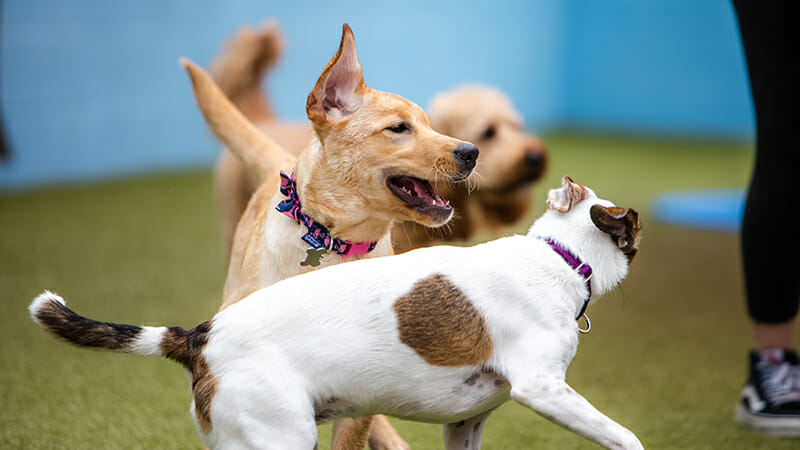
Be careful when you introduce other dogs.

Pick calm and friendly dogs to hang out with when you’re with other dogs. Let dogs meet on neutral ground, and keep their first interactions short and watched. Pay close attention to body language. Relaxed postures, wagging tails, and loose movements show that the dog is comfortable, while stiff posture, growling, or raised hackles show that the dog is stressed. If things get tense, calmly separate the dogs and try again later. Your dog will feel safer and more confident around other dogs if you give them good experiences over time.

Encourage good interactions with other people

Let your dog meet people of all ages, looks, and behaviors. Have friends and family over, go to events that are good for dogs, or take your dog for walks in busy places. Praise calm, friendly behavior during these times. Teach your dog to say hello in a calm way and stop them from jumping or getting too excited. Regular exposure helps your dog learn how to behave around people and makes them less scared or aggressive.

Deal with anxiety and fear

Some dogs are naturally wary or scared of new things. Don’t make people interact with you if you don’t want to; this can make anxiety worse. Instead, step back and let your dog come to you when they’re ready. Slowly introduce them to the stimulus while giving them treats for staying calm. If your dog is very anxious, you should talk to a professional trainer or behaviorist to make sure that socialization is safe and works.

Practice in Different Places

Dogs need to be around more than just other pets and people. Going to parks, pet stores, busy streets, and even car rides are all parts of socialization. Every new experience helps your dog get used to new sights, sounds, and smells. Being in different places helps you feel more confident and less stressed in new situations.

Be patient and stick to it.

Socialization is something that happens all the time, not just once. To be successful, you need to be patient and stick with it. Regular, positive experiences will help your dog behave better and make him or her feel more at ease over time. Don’t rush or expect results right away; it takes time and effort to build social skills.

Questions and Answers

1. Is it still possible to socialize adult dogs?
Yes. It’s best to socialize dogs when they are young, but adult dogs can learn to get along with people and other pets with time and exposure.

2. How long should sessions for socializing last?
The best way to do it is in short, frequent sessions. To keep your dog from getting too tired, try to keep each session to 5–15 minutes.

3. What should I do if my dog gets aggressive when I’m around other people?
Stop the interaction right away and give your dog some room. If aggressive behavior keeps happening, talk to a professional trainer or behaviorist for help.

4. Should I give my dog treats every time I socialize with him?
Yes. Giving your dog treats and praise will help him or her connect social situations with good things, which will encourage calm and friendly behavior.

5. How can I tell if socialization is working?
Relaxed body language, a wagging tail, curiosity, and a willingness to meet new people or pets are all signs of progress. Less fear or anxiety during social interactions is a sign of successful socialization.

In conclusion

To have a happy, confident, and well-adjusted dog, you need to let it meet other pets and people. You can help your dog get better at being around other people and dogs by starting slowly, rewarding good behavior, introducing them to new people and dogs, and practicing in different places. To be successful at socializing your dog, you need to be patient, consistent, and know what your dog needs. Your dog will become comfortable, friendly, and well-behaved over time and with effort. This will make things better for both of you.

How to Socialize Your Dog with Other Pets and People? Read More »
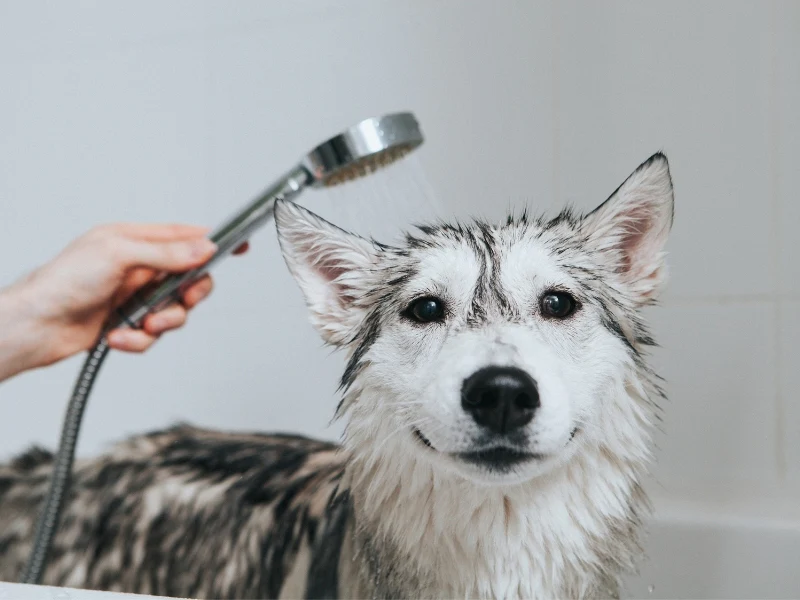
How to Keep Your Dog’s Coat Shiny and Healthy Naturally?

A dog’s coat is more than just fur—it’s a reflection of their overall health and well-being. When your dog’s coat is shiny, soft, and full, it’s usually a sign they’re thriving. But if it looks dull, dry, or rough, it could mean something’s off with their nutrition, grooming, or overall care. Fortunately, you don’t need expensive treatments or harsh chemicals to restore that healthy glow. With a few natural tips and lifestyle changes, you can help your furry friend look and feel their best from the inside out.

In this guide, we’ll explore how to keep your dog’s coat shiny and healthy naturally, covering everything from diet and hydration to grooming routines and home remedies.

1. Feed a Balanced, Nutrient-Rich Diet

A shiny coat begins with proper nutrition. Dogs need a well-balanced diet packed with essential nutrients, vitamins, and healthy fats. Omega-3 and omega-6 fatty acids are particularly important for maintaining a glossy coat and healthy skin.

Foods rich in these fatty acids include fish like salmon and sardines, flaxseed oil, and coconut oil. You can also choose high-quality dog food that lists real meat as the first ingredient and avoids artificial colors or fillers. If your dog’s diet is mainly dry kibble, talk to your vet about adding a small amount of wet food or supplements to improve coat condition.

2. Keep Your Dog Hydrated

Dehydration is one of the most common reasons for dry, flaky skin and dull fur. Just like humans, dogs need plenty of clean, fresh water every day to keep their skin hydrated and their coat smooth.

Make sure your dog always has access to clean water. You can even encourage hydration by offering dog-safe broth or wet food occasionally. If you notice that your dog’s skin looks dry or flaky, increasing water intake may make a big difference in just a few weeks.

3. Regular Grooming for a Healthier Coat

Grooming isn’t just about keeping your dog clean—it’s essential for coat health. Brushing removes loose fur, distributes natural oils, and stimulates blood flow to the skin, all of which contribute to a shiny coat.

For short-haired breeds, brushing once or twice a week is usually enough. Long-haired dogs may need daily brushing to prevent tangles and matting. Use a brush suitable for your dog’s coat type—slicker brushes for long hair and bristle brushes for short coats.

Regular baths are also important, but avoid over-bathing. Washing your dog too often can strip away natural oils, leaving their coat dry. Use a gentle, natural dog shampoo made with ingredients like oatmeal, aloe vera, or coconut oil to maintain moisture balance.

4. Add Natural Oils to Their Diet

Healthy fats play a key role in achieving that shiny, soft look. Adding small amounts of natural oils to your dog’s meals can make a visible difference.

Coconut oil, salmon oil, or flaxseed oil are great options. These oils not only promote a glossy coat but also support joint health and reduce inflammation. Start with a teaspoon for small dogs or a tablespoon for larger breeds, but always check with your vet before adding oils to your dog’s diet to ensure proper dosage.

5. Avoid Harsh Chemicals and Over-Bathing

Many commercial grooming products contain sulfates, parabens, or artificial fragrances that can irritate your dog’s skin. These harsh ingredients strip away natural oils and cause dryness or itchiness.

When bathing, always use mild, natural shampoos designed for dogs. You can even make your own at home by mixing a cup of unscented castile soap with a few drops of lavender or chamomile essential oil (dog-safe ones only). Limit baths to once every 4–6 weeks unless your dog gets dirty frequently.

6. Manage Allergies and Skin Irritations

Sometimes, a dull or patchy coat is caused by allergies. Dogs can be sensitive to certain foods, pollen, dust, or flea bites. If your dog is constantly scratching or licking, it could be a sign of an allergic reaction.

Identify and eliminate the triggers by switching to hypoallergenic food or using flea preventatives. You can also try adding natural anti-inflammatory foods like turmeric or omega-rich fish oils to soothe irritated skin. However, always consult your vet before making any major dietary changes.

7. Ensure Regular Exercise and Sunlight

Physical activity isn’t just good for your dog’s muscles—it also improves coat health. Exercise boosts blood circulation, helping nutrients reach the skin and hair follicles more efficiently.

Take your dog for daily walks or play sessions outdoors. A little sunshine helps regulate hormones that affect coat health, but avoid long exposure during hot weather. Fresh air and movement are natural ways to promote a shiny, vibrant coat.

8. Use Natural Coat-Conditioning Remedies

There are several natural remedies that can help restore shine to your dog’s coat:

  • Apple Cider Vinegar Rinse: Mix one part apple cider vinegar with two parts water and rinse your dog’s coat after shampooing. This helps remove buildup and leaves the coat soft and glossy.
  • Oatmeal Soak: If your dog’s skin is dry or itchy, an oatmeal bath can soothe irritation and lock in moisture.
  • Aloe Vera Gel: Apply a small amount to dry patches to calm inflammation and promote healing.

Always test a small area first to ensure your dog doesn’t have an adverse reaction to any natural treatment.

9. Regular Vet Checkups

Even with the best home care, your dog may experience coat issues linked to underlying health conditions such as thyroid problems, hormonal imbalances, or parasites. Regular vet visits help catch these issues early.

Your vet can recommend supplements like fish oil, zinc, or biotin if your dog needs extra nutritional support. Routine checkups also ensure that your dog’s vaccinations and parasite preventatives are up to date—important steps in maintaining coat and skin health.

10. Keep Your Dog Stress-Free

Stress can have a surprising impact on your dog’s appearance. Anxiety and nervousness can lead to excessive shedding, skin irritation, and even fur loss.

Make sure your dog feels safe and loved. Create a calm environment, give them plenty of attention, and engage in interactive play. Mental health is closely tied to physical health, and a happy dog often has a shinier, healthier coat.

Frequently Asked Questions (FAQs)

1. How often should I brush my dog to maintain a shiny coat?
Most dogs benefit from brushing at least two to three times a week. Long-haired breeds may require daily brushing to prevent tangles and keep their coats smooth.

2. Can I give my dog human supplements for coat health?
No, human supplements can be harmful to dogs. Always use vet-approved supplements specifically formulated for pets.

3. What natural foods help make my dog’s coat shiny?
Foods rich in omega-3 fatty acids like salmon, sardines, and flaxseed, as well as eggs and sweet potatoes, are great for coat health.

4. Is coconut oil safe for my dog’s coat?
Yes, in moderation. You can add a small amount to your dog’s food or apply it topically to soothe dry skin and enhance shine.

5. Why is my dog’s coat dull even after regular grooming?
A dull coat may indicate poor diet, dehydration, allergies, or an underlying health issue. Consult your vet to identify the cause and find the right solution.

Conclusion

Keeping your dog’s coat shiny and healthy doesn’t require expensive grooming products—just consistent care, good nutrition, and a little natural love. Focus on feeding a balanced diet, staying on top of grooming, and using gentle, chemical-free methods. When your dog is healthy on the inside, it will always show on the outside. A glossy, soft coat is more than a sign of beauty—it’s proof of your dog’s overall happiness and vitality.

How to Keep Your Dog’s Coat Shiny and Healthy Naturally? Read More »

How to Build a Daily Care Routine for a Happier, Healthier Dog?

Every dog ​​deserves a happy, healthy, and loving life. As a pet owner, establishing a daily grooming routine is one of the most effective ways to ensure your dog’s healthy physical and mental development. Dogs thrive when their basic needs—food, exercise, grooming, and emotional stimulation—are consistently met. A well-structured routine not only strengthens the bond between you and your dog but also helps prevent long-term behavioral and health problems. In this guide, we explore how to establish a simple and effective daily grooming routine to keep your dog happy, healthy, and energetic.

Start with Regular Feeding Times

A reliable feeding schedule forms the foundation of your dog’s daily routine. Dogs thrive on routine, and feeding them at the same time every day helps regulate digestion, prevent overeating, and reduce anxiety. Most adult dogs need two meals a day, while puppies typically need three to four small meals. Make sure your dog’s diet is balanced and appropriate for their age, breed, and activity level. Consult your veterinarian for a high-quality dog ​​food rich in essential nutrients, vitamins, and minerals. Regular feeding times also allow you to observe your dog’s appetite and quickly identify changes that could indicate health problems.

Daily Exercise

Exercise is crucial for a dog’s physical and mental health. Regular walks, play, and interactive activities help maintain a healthy weight, build muscle strength, and improve cardiovascular health. Dogs that don’t get enough exercise can become bored or anxious, leading to destructive behavior such as biting or excessive barking. Adjust your exercise schedule to your dog’s breed and energy level—an energetic Border Collie may need several walks and play sessions per day, while smaller or older dogs may need shorter, more leisurely walks. By adding variety to your activities, such as retrieving, puzzles, or agility training, you can keep your dog mentally active and physically healthy.

Grooming and Coat Care

Grooming is more than just making your dog look good—it’s essential for their health. Regular brushing removes loose hair, prevents tangles, and stimulates the production of natural oils, resulting in a shiny coat and healthy skin. How often you groom your dog depends on its coat type: short-haired dogs may only need brushing once a week, while long-haired dogs require daily brushing. Use a mild, pet-friendly shampoo when bathing your dog and do so only when necessary to avoid stripping its natural oils. Regular nail trimming, ear cleaning, and dental care should also be part of your daily routine. Good hygiene reduces the risk of infection and keeps your dog comfortable.

Monitoring Health and Behavior

Daily observation is essential for early detection of potential health problems. Check your dog’s skin for bumps, rashes, or parasites such as fleas and ticks. Pay attention to changes in appetite, energy level, or behavior, as these can be early signs of illness. Regularly check the eyes, ears, and teeth to identify and address problems before they worsen. If you notice persistent changes or symptoms in your dog, such as vomiting, diarrhea, or excessive scratching, schedule a veterinary checkup immediately. Regular health checkups and veterinary visits contribute to maintaining your dog’s overall health.

Mental Stimulation and Training

Mental exercise is just as important as physical activity. Dogs are intelligent animals and need mental stimulation to prevent boredom and destructive behavior. Incorporate short training sessions into your daily routine and teach your dog commands, tricks, or agility exercises. Brain training toys, treat-filled toys, and interactive games can challenge their problem-solving skills and keep their minds sharp. Positive reinforcement during training helps build trust and strengthen the bond between you and your dog. Even a few minutes of mental stimulation each day can improve your dog’s behavior and reduce anxiety.

Social Interaction and Playtime

Dogs are social animals and need interaction with people and other pets to thrive. Daily social interaction helps prevent loneliness and promotes their mental health. Spend time playing with your dog, such as retrieving, tug-of-war

Ensure your dog feels safe and happy at home and improve their mental health.

Benefits of Regularity and Routine

Regularity is the cornerstone of effective dog care. Dogs feel more secure when they know what’s coming each day. Regular feeding, walking, grooming, and playtimes reduce stress and promote predictable behavior. Structured routines also aid in potty training and prevent problem behaviors such as anxiety, barking, or biting. Following a regular schedule creates a harmonious environment that promotes your dog’s physical, mental, and emotional health.

Integrate Preventative Care

Preventative care should be an integral part of your daily routine. Administer flea, tick, and parasite medications as prescribed by your veterinarian. Vaccinate your dog on time and schedule regular checkups. Grooming, dental care, and skin checkups all help prevent minor problems from becoming major problems. Preventative care not only protects your dog from illness but also ensures they remain energetic, healthy, and comfortable throughout their life.

Frequently Asked Questions

1. How much exercise should my dog ​​get per day?

1. The duration of exercise depends on the dog’s breed, age, and energy level. Most adult dogs need at least 30-60 minutes of exercise daily, while more energetic breeds may require more.

2. Can I integrate training into my dog’s daily routine?

Absolutely. Several short training sessions of 5-15 minutes per day are very effective. Training stimulates a dog’s intellectual development and strengthens the bond between you and your dog.

3. How often should I brush my dog’s coat?

The frequency of brushing depends on the coat type. Short-haired dogs may need brushing once a week, while long-haired dogs need daily brushing. Regular nail trimming, ear cleaning, and bathing are also recommended, as needed.

4. Is it necessary to follow the same routine every day?

While minor adjustments are possible, maintaining a consistent schedule helps dogs feel secure and develop healthy habits. Regularity is crucial for a dog’s behavioral, digestive, and emotional health.

5. How can I determine if my dog’s daily routine is effective?

A successful routine includes a healthy coat, a regular appetite, sufficient energy, relaxed behavior, and fewer behavioral problems. Adjust the routine as needed based on your dog’s actual needs.

Conclusion

Establishing a daily grooming routine for your dog is one of the most effective ways to express love and responsibility. A structured schedule, including regular feeding, exercise, grooming, emotional support, and preventative care, ensures your dog stays happy, healthy, and well-balanced. By observing your dog’s behavior and health daily, you can identify and address potential problems early, while consistent attention strengthens your bond. By investing time and effort in creating a balanced routine for your dog, you can create a long-lasting, happy, and vibrant foundation for your furry companion.

How to Build a Daily Care Routine for a Happier, Healthier Dog? Read More »

Top Signs Your Dog Might Be Feeling Unwell and What to Do

Dogs can’t tell us when they’re uncomfortable, so we need to pay attention to the subtle and even obvious signals their bodies give us to determine if they’re ill. As a pet owner, understanding how to recognize signs of illness early is crucial for your dog’s health and recovery. Many illnesses are easily treatable if detected and treated early, but ignoring them can lead to more serious problems. In this article, we’ll explore common symptoms of illness in dogs and discuss what you can do to ensure your beloved pet gets the care it needs.

Changes in Appetite or Water Intake

One of the first signs of illness in dogs is a sudden change in appetite or water intake. If your dog refuses to eat or eats significantly less than usual, this could indicate dental problems, digestive issues, or even more serious illnesses like kidney disease or an infection. Similarly, excessive water intake or urination can indicate diabetes or other metabolic problems. By observing your dog’s eating habits daily, you can detect changes early. If your dog skips more than one meal or is constantly thirsty, contact your veterinarian for a checkup.

Lossiness or Lack of Energy

A normally active dog that suddenly becomes quiet, tired, or uninterested in any activity could indicate an underlying health problem. While dogs can sometimes be lazy, persistent lethargy should not be ignored. It can be a sign of fever, infection, pain, or even serious illnesses such as heart disease. If your dog seems weak, refuses to play, or sleeps much longer than usual, it’s best to take them to the vet. By closely observing your dog’s behavior and noting when the change began, your veterinarian can better diagnose the cause.

Vomiting or Diarrhea

Occasionally vomiting or diarrhea isn’t always a cause for concern, but frequent or severe vomiting and diarrhea can indicate more serious problems such as bacterial infections, intestinal obstructions, or food intolerances. Puppies and small breeds are prone to dehydration from fluid loss, so quick action is essential. If the vomiting persists, contains blood, or if your dog appears weak or refuses to eat, consult a veterinarian immediately. By keeping your dog well-hydrated and avoiding sudden changes in their diet, you can reduce the risk of indigestion later on.

Weight Changes

Weight changes, whether gaining or losing weight, often indicate underlying health problems. If your dog has a good appetite but is losing weight, this could indicate conditions such as diabetes, parasitic infections, or thyroid problems. On the other hand, rapid weight gain can be caused by overfeeding, lack of exercise, or hormonal imbalances. Regularly weighing your dog at home or at the vet can help you detect these trends early. A balanced diet and regular exercise are also crucial to preventing unhealthy weight fluctuations.

Coughing or Breathing Problems

Coughing, wheezing, or other changes in breathing should be taken seriously. These symptoms can indicate respiratory infections, allergies, or even heart disease. Dogs with kennel cough can have a severe, dry cough, while dogs with fluid in their lungs may have difficulty breathing or a bluish tongue. If your dog has difficulty breathing or a persistent cough, consult a veterinarian immediately. Protect your dog’s respiratory health by avoiding exposure to cigarette smoke, having them checked regularly, and keeping them away from other sick pets.

Changes in Urination Behavior

Frequent urination, difficulty urinating, or inappropriate urination or defecation in the house can be symptoms of urinary tract infections, bladder stones, or kidney disease. If you see blood in the urine or if your dog barks while urinating, this is a clear sign of discomfort. Older dogs are particularly susceptible to urinary problems, so early detection is crucial. Ensure your dog always has access to clean water and urinates regularly outdoors. If changes in urination persist, schedule a veterinarian appointment as soon as possible for examination and treatment.

Bad breath or dental problems

Many pet owners neglect their dog’s dental health, but bad breath can be a sign of gum disease, infections, or even liver and kidney problems. Healthy gums should be pink, not red or swollen. If your dog isn’t chewing or if food falls out of their mouth, they may be in pain. Regular brushing, using dental treats, and annual dental cleanings can help.

Behavioral observation is essential. A normally friendly dog ​​that suddenly becomes aggressive, anxious, or withdrawn could be due to pain or discomfort. Similarly, a well-trained dog that suddenly starts urinating or defecating indoors could indicate a problem with its urinary or digestive system. Sudden changes in a dog’s temperament or habits should be taken seriously. Observe your dog’s behavior closely and, if in doubt, consult a veterinarian to rule out medical conditions before determining a behavioral problem.

Persistent Itching or Ear Problems

Persistent ear scratching, head shaking, or unusual ear odor could indicate an ear infection or ear mites. Dogs with long ears or dogs that swim frequently are particularly prone to these problems. Untreated ear infections can lead to severe discomfort and hearing loss. Clean your dog’s ears regularly with a gentle, veterinarian-recommended ear cleaner and avoid inserting foreign objects into the ear canal. If redness, swelling, or discharge occurs, professional treatment is necessary.

Frequently Asked Questions

1. How do I determine if my dog’s symptoms are severe?

1. If your dog’s symptoms last longer than 24 hours, worsen, or develop vomiting, fever, difficulty breathing, or lethargy, it’s best to take them to the vet immediately. Early intervention can often prevent complications.

2. If my dog ​​has only vomited once, should I wait before taking them to the vet?

If your dog has only vomited once and seems fine afterward, monitor them closely. However, if your dog vomits repeatedly, has a poor appetite, or is weak, consult a veterinarian immediately.

3. Why is my dog ​​suddenly refusing to eat?

Loss of appetite can be caused by stress, infection, or dental problems. If this lasts more than a day or two, you should definitely take them to the vet.

4. What should I do if my dog’s behavior changes at night?

Sudden behavioral changes often indicate that your dog is uncomfortable or in pain. Schedule a physical examination to rule out underlying medical conditions before considering training or behavioral therapy.

5. Can home care replace a visit to the vet?

Home care can help with some minor problems, but professional diagnosis and treatment are essential for proper care. Never rely solely on home remedies for persistent or severe symptoms.

Conclusion

Recognizing signs that your dog may be ill is one of the most important responsibilities of a pet owner. From changes in appetite and energy to more visible symptoms like coughing or scratching, every little detail can provide clues about your dog’s health. The sooner you notice these changes and take action, the better your furry friend’s health will be. Always trust your instincts—if something seems amiss, consult your veterinarian. A little attention and timely care will keep your dog happy, healthy, and energetic.

Top Signs Your Dog Might Be Feeling Unwell and What to Do Read More »

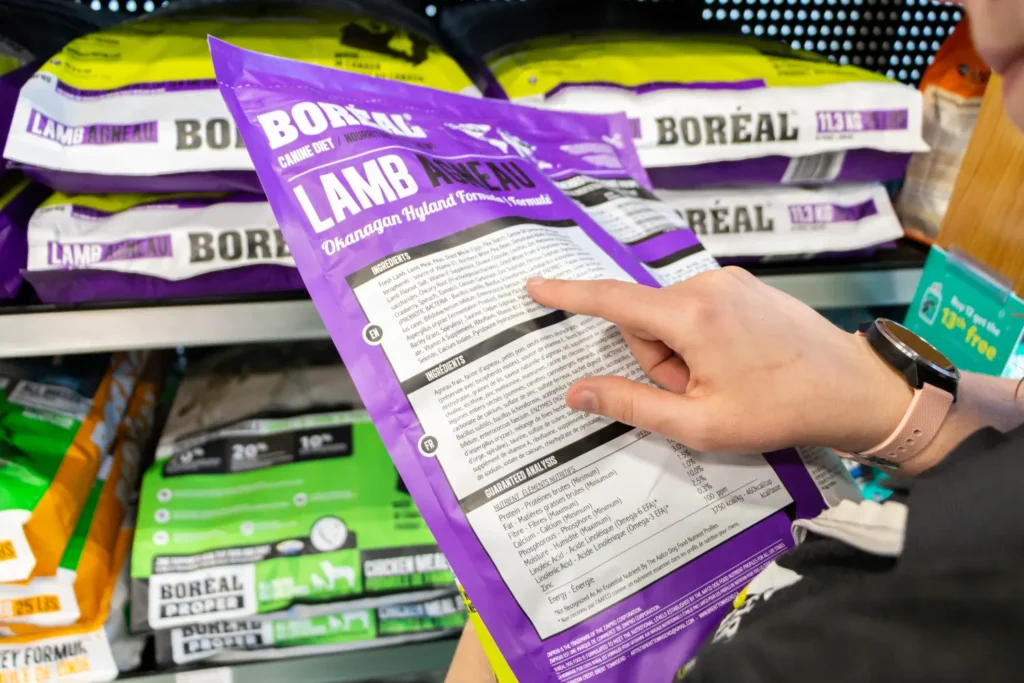
How to Read Dog Food Labels Like a Pro?

Choosing the right dog food is crucial for your pet’s health, but navigating the ingredient lists and nutritional information on dog food labels can be confusing. Understanding how to read dog food labels helps you make informed decisions, ensures your dog receives balanced nutrition, and prevents feeding foods with harmful ingredients. Whether you’re a new dog owner or looking to improve your dog’s diet, learning to read labels like a pro empowers you to select high-quality, safe, and nutritious food.

Understand the Guaranteed Analysis

The guaranteed analysis section of a dog food label provides key information about nutrient content, including protein, fat, fiber, and moisture levels.

  • Protein: Essential for muscle development, repair, and overall growth. Look for a protein source as the first ingredient.

  • Fat: Provides energy, supports healthy skin and coat, and aids in nutrient absorption.

  • Fiber: Supports digestion and helps maintain a healthy weight.

  • Moisture: Indicates water content; higher moisture is common in wet foods, while dry kibble has lower moisture.

By understanding these percentages, you can compare different brands and formulas to ensure your dog receives appropriate nutrition for their life stage and activity level.

Identify the First Few Ingredients

Ingredients are listed in descending order by weight, meaning the first ingredient makes up the largest portion of the food. High-quality dog food should list real animal protein, such as chicken, beef, lamb, or fish, as the first ingredient. Avoid foods that list by-products, fillers, or unnamed meat sources. Ingredients like whole grains, vegetables, and fruits are beneficial additions, while artificial colors, flavors, or preservatives should be minimized.

Look for Life Stage and Breed Information

Dog food labels indicate the intended life stage of the product, such as puppy, adult, or senior. Puppies need higher protein and fat content to support growth, while senior dogs require easily digestible nutrients and joint-supporting supplements. Some brands also provide breed-specific formulas for small, medium, or large breeds, addressing unique nutritional requirements. Selecting food appropriate for your dog’s life stage ensures balanced nutrition tailored to their needs.

Understand Health and Functional Claims

Many dog food labels feature claims such as “supports joint health,” “promotes shiny coat,” or “grain-free.” While these claims may reflect certain nutritional benefits, it’s important to verify the ingredients and nutrient content behind them. For example, foods claiming joint support may include glucosamine and chondroitin, while coat-promoting foods often contain omega-3 fatty acids. Check whether the claims are supported by the ingredient list and consult your veterinarian if you have questions about specific health needs.

Check for AAFCO Statements

The Association of American Feed Control Officials (AAFCO) sets nutritional standards for pet foods. Look for an AAFCO statement on the label, which indicates that the food meets minimum nutrient requirements for growth, maintenance, or all life stages. This statement is often found near the bottom of the label and may read: “Formulated to meet the nutritional levels established by the AAFCO Dog Food Nutrient Profiles.” Choosing foods with AAFCO approval ensures your dog receives a complete and balanced diet.

Understand Caloric Content

Dog food labels may include the calorie content per serving, usually expressed in kilocalories (kcal). Understanding calories helps you determine portion sizes and manage your dog’s weight. Active dogs may require more calories, while less active or senior dogs need fewer. If your dog is gaining or losing weight unexpectedly, adjust portion sizes based on caloric information and consult your veterinarian for guidance.

Watch Out for Fillers and Additives

Some dog foods contain fillers like corn, wheat, or soy, which add bulk but provide limited nutritional value. While these ingredients are not harmful to most dogs, they should not dominate the food. Artificial colors, flavors, and preservatives can also be avoided in favor of natural alternatives. Reading labels carefully helps you choose foods with higher-quality ingredients that support long-term health.

Tips for Comparing Dog Food Labels

  1. Compare protein sources: Animal proteins should come first; avoid generic terms like “meat meal” without specifying the source.

  2. Evaluate carbohydrate sources: Whole grains, vegetables, and legumes are better than corn syrup or refined grains.

  3. Check fat sources: Look for named fats such as chicken fat or fish oil, which provide essential fatty acids.

  4. Consider additives: Vitamins, minerals, and probiotics can be beneficial; avoid unnecessary artificial additives.

  5. Match food to your dog: Ensure the label aligns with your dog’s life stage, breed, and health requirements.

FAQs

1. What does “by-product” mean on a dog food label?
By-products are parts of an animal not typically consumed by humans, such as organs and bones. High-quality by-products can be nutritious, but vague or unnamed by-products should be avoided.

2. Is grain-free food better for all dogs?
No. Grain-free food is only necessary for dogs with specific allergies or sensitivities. Most dogs digest grains well, and high-quality grains provide essential nutrients.

3. How can I compare two dog foods effectively?
Compare ingredient lists, guaranteed analysis, AAFCO statements, and caloric content. Focus on high-quality protein, moderate fat, and limited fillers.

4. What should I look for in treats compared to regular dog food?
Treats should be low in calories, made from wholesome ingredients, and not exceed 10% of daily caloric intake.

5. Can I trust marketing claims on dog food labels?
Marketing claims may be exaggerated. Always verify claims by reviewing the ingredient list and consulting your veterinarian if needed.

Conclusion

Reading dog food labels like a pro is essential for ensuring your dog receives the nutrition they need for a healthy, active life. By understanding the guaranteed analysis, identifying high-quality ingredients, checking for AAFCO approval, and interpreting health claims, you can make informed decisions about your dog’s diet. Careful label reading helps you avoid low-quality foods, select the best options for your dog’s life stage and health, and maintain their long-term well-being. With these insights, you can confidently provide meals that support your dog’s happiness, energy, and overall health.

How to Read Dog Food Labels Like a Pro? Read More »

Simple Steps to Stop Your Dog from Barking Too Much

Dogs bark to talk to each other, but too much barking can be a problem for pet owners and their neighbors. Some barking is normal, like when a dog sees someone coming or is excited. But if your dog barks all the time and can’t stop, it could mean that they are bored, anxious, or have unmet needs. Learning how to manage and reduce excessive barking is essential for a harmonious home environment and a happier, calmer dog. This guide gives you simple, effective steps to take to stop your dog from barking too much while still keeping a good, trusting relationship with them.

Find out why your dog is barking

Understanding the reason for the barking is the first step in dealing with it. Dogs bark for a number of reasons, such as being bored, scared, anxious, wanting attention, or protecting their territory. You can pick the best way to stop barking once you know what is causing it. Look at your dog’s body language, surroundings, and triggers to figure out why they are barking too much. This knowledge helps you deal with the problem at its source instead of just the symptom.

Give them enough exercise and mental stimulation

Dogs that are bored or not getting enough mental stimulation often bark too much to let off steam. Daily exercise, like walks, playtime, or fetch, helps your dog get rid of extra energy and makes it less likely that they will bark. It’s also important to keep your dog’s mind active. Puzzle toys, treat-dispensing games, and training exercises are all good ways to do this. A dog that gets a lot of exercise is usually calmer and doesn’t bark as much.

Use the same commands and training every time.

Giving your dog clear, consistent commands can help keep him from barking too much. Use positive reinforcement to teach your dog words like “quiet” or “enough.” Give your dog treats, praise, or playtime when they stop barking on command. Don’t yell at your dog because it can confuse them and make them bark more. Your dog will learn how to behave over time if you train him in a calm and consistent way.

Less Triggers

Find and limit your dog’s exposure to things that make them bark. For instance, if your dog barks at people walking by outside, you can block the view with curtains or use baby gates to keep him from getting to certain areas. If your dog is sensitive to noise, play calming music or white noise in the background to drown out outside sounds. If you keep your dog away from things that make them bark, they won’t start barking all the time.

Don’t encourage barking.

Barking can sometimes be unintentionally reinforced. For example, paying attention to your dog when they bark or letting them have what they want makes the behavior worse. Be aware of how you respond and don’t give treats, petting, or access to restricted areas to dogs that bark. Instead, give rewards for calm behavior and point people in the right direction for what to do.

Use techniques that reinforce good behavior.

Positive reinforcement works very well to teach dogs new ways to act. When your dog is quiet when they would normally bark, give them a treat. Gradually make things harder by exposing them to mild triggers while encouraging them to stay calm. As time goes on, your dog learns that being quiet is good for them, which makes them less likely to bark a lot.

Deal with separation anxiety

Some dogs bark a lot when they are left alone because they are afraid of being alone. If this is the case, slowly get your dog used to being alone by leaving him or her alone for short periods of time that get longer over time. Give them toys, comfort items, or puzzle feeders to keep them busy and calm. If your dog is barking a lot because of anxiety, you may want to talk to a veterinarian or a professional dog trainer for help.

If you need it, think about getting professional help.

If your dog’s barking persists despite your efforts, seeking professional help may be necessary. A certified dog trainer or behaviorist can look at how your dog acts, figure out what’s wrong, and make a training plan just for your dog. With professional help, you can be sure that your dog learns the right behaviors in a safe and effective way.

Common Questions

1. Is barking always a bad thing?

No. Dogs bark to talk to each other in a natural way. You should deal with barking that is too loud and bothers your family or causes stress, but barking that is normal for alerts or play is good.

2. How long does it take to stop barking too much?

The time frame changes based on your dog’s age, breed, and the reason for the problem. Usually, consistent training and positive reinforcement show results in a few weeks to a few months.

3. Are anti-bark collars okay?

Some collars, like citronella or vibration collars, might help in some situations, but they should only be used as part of a bigger training plan. Don’t use shock collars because they can make your dog scared and anxious.

4. Will puppies bark less as they get older?

Puppies bark more when they’re excited or when they’re learning their limits. Most puppies learn how to bark properly as they get older if they are trained and socialized regularly.

5. What can I do to reward my dog for being quiet?

Give treats, praise, or playtime right away for calm behavior. If you want your dog to connect being quiet with good things, timing is very important.

The End

It can be hard to deal with a dog that barks too much, but with patience, consistency, and understanding, it can be done. To cut down on barking, you need to find out what’s causing it, give the dog enough exercise and mental stimulation, use consistent training, and reward calm behavior. Don’t punish barking or give it a reward by accident. If you need help, get it from a professional. You can make your home a peaceful place to live and help your dog learn to behave well by using these tips. This will make your bond with your dog stronger.

Simple Steps to Stop Your Dog from Barking Too Much Read More »

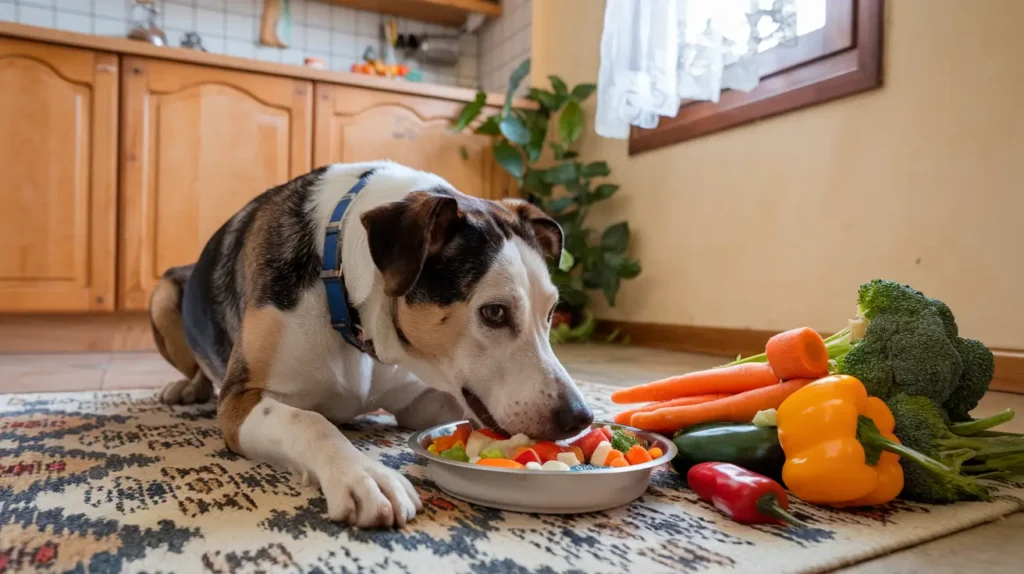
Best Homemade Dog Food Recipes That Are Easy and Nutritious

One of the most important things you can do as a pet owner is to give your dog a healthy, balanced diet. Commercial dog foods are easy to find, but making your own meals lets you choose the ingredients, so your dog gets fresh, healthy food without any extra chemicals or preservatives. Making dog food at home can be easy, full of important nutrients, and made just for your dog’s needs. In this guide, we’ll look at some simple, healthy, and tasty recipes for homemade dog food that your furry friend will love. We’ll also give you tips on how to make sure that every meal is good for their health.

Why You Should Make Your Own Dog Food

Making your own dog food lets you give your dog high-quality ingredients that help them grow, give them energy, and keep them healthy. Many store-bought foods have fillers, fake flavors, or by-products that might not be good for your health. You can make sure you get the right amounts of fresh meats, vegetables, grains, and healthy fats by cooking at home. This method can help your dog’s coat, digestion, and energy levels. Also, cooking at home lets you make meals that are safe and healthy for everyone, even if they have allergies, food sensitivities, or special dietary needs.

Important Nutritional Parts for Dogs

A balanced homemade meal should have protein, carbs, fats, vitamins, and minerals in it. Proteins, such as chicken, beef, fish, or eggs, help build muscle and keep the body healthy. Rice, quinoa, and sweet potatoes are all good sources of carbohydrates that give you energy for your daily activities. Fish oil and coconut oil are two examples of healthy fats that can help your skin and coat look better. Vegetables like carrots, spinach, and peas supply fiber, vitamins, and antioxidants. Lastly, supplements like calcium or omega-3 fatty acids can improve your dog’s diet, but you should talk to your vet before giving them to your dog.

How to Make Easy Chicken and Rice Dog Food

Chicken and rice is a classic homemade dog food that is easy on the stomach and has a lot of protein. To make this meal, boil a cup of chicken breast until it’s fully cooked, then shred it into small pieces. Make one cup of brown rice on its own and then add it to the chicken. Add steamed peas and carrots for fiber and vitamins. Drizzle a teaspoon of olive oil over the mixture to add healthy fats. Let the food cool down before you serve it. This recipe is good for most adult dogs. You can keep it in the fridge for up to three days or freeze it in portions to use later.

Beef and vegetable stew that is good for you

A hearty stew made with beef and vegetables is both filling and good for you. Use lean ground beef or small pieces of beef and cook them all the way through in a pot. Add diced sweet potatoes, green beans, and zucchini, and cook until they are soft. You can also add a little bit of brown rice or oatmeal to give you more carbs. Add a teaspoon of fish oil to the end for omega-3 fatty acids. This stew has a good mix of protein, fiber, and vitamins that will keep your dog healthy and full of energy. It’s great for dogs who like meals that are soft and easy to digest.

A Healthy Meal of Salmon and Quinoa

Salmon is a great source of high-quality protein and essential fatty acids that are good for the health of your skin and coat. Bake a salmon fillet until it’s fully cooked, then break it up into small pieces for a quick and easy meal. Make ½ cup of quinoa and stir it into the salmon. Adding steamed broccoli, carrots, or peas will give you more fiber and vitamins. To help your bones stay healthy, you can sprinkle a little bit of calcium supplement or finely ground eggshell powder on them. Salmon has a lot of omega-3s, which makes this recipe great for dogs with dull coats or dry skin.

Sweet Potato and Turkey Delight

Turkey is low in fat, easy to digest, and often suggested for dogs with sensitive stomachs. Mix together cooked ground turkey, mashed sweet potatoes, and a handful of cooked green beans. Sweet potatoes are a good source of beta-carotene and complex carbohydrates, both of which are good for your eyes and immune system. For more flavor and healthy fats, you can also add a teaspoon of coconut oil. This meal is good for adult dogs, and you can make a lot of it at once to make meal prep easier. To avoid any stomach problems, make sure all the ingredients are fully cooked and cooled before serving.

How to safely make dog food at home

Safety is the most important thing to think about when making food for your dog at home. Toxic foods like onions, garlic, grapes, raisins, chocolate, and xylitol should never be eaten. To avoid getting sick from bacteria, make sure all meats are fully cooked. To get rid of pesticides and other harmful substances, wash vegetables well. It’s also important to control how much food your dog eats. To keep them at a healthy weight, feed them based on their size, age, and level of activity. To avoid stomach problems, slowly add new recipes to their diet. If you talk to your vet on a regular basis, you can be sure that the meals you make for your dog at home are full of the nutrients they need.

How to Store Homemade Dog Food

To keep homemade dog food fresh and safe, it needs to be stored correctly. You can keep portions in the fridge for up to three days if you put them in airtight containers. If you want to keep meals for a long time, freeze them in single servings and then thaw them in the fridge before serving. Don’t leave prepared meals out at room temperature for long periods of time because this can help bacteria grow. Putting the date of preparation on containers helps you keep track of how fresh they are. If you follow the right storage instructions, your dog will always get safe, high-quality food.

Pros of a Homemade Diet

There are many benefits to giving your dog homemade food. Dogs often have better digestion, shinier coats, healthier skin, and more energy. You can customize homemade diets, which is especially good for dogs with allergies, intolerances, or health problems. Cooking at home can also help you and your pet get closer because mealtime becomes a time when you both care for and pay attention to each other. Giving your dog balanced, high-quality meals is an investment in their long-term health and happiness.

Questions and Answers

1. Is homemade dog food a good substitute for store-bought food?
Yes, if they are nutritionally balanced, homemade meals can completely take the place of store-bought dog food. Talk to your vet to make sure that all the important nutrients are there.

2. How often should I make my dog meals at home?
You can make homemade meals every day or in large batches and keep them in the fridge for up to three days or longer in the freezer.

3. Are there any foods I shouldn’t give my dog at home?
Stay away from foods that are bad for you, like onions, garlic, chocolate, grapes, raisins, and artificial sweeteners like xylitol. Before you feed your pet, always look up new ingredients.

4. Is it okay for puppies to eat dog food made at home?
Yes, but puppy recipes need more protein and fat to help them grow. Before giving young dogs homemade food, always talk to your vet.

5. How can I tell if the dog food I made at home has all the nutrients it needs?
A veterinarian or pet nutritionist can help you come up with recipes that give your pet all the nutrients they need. Depending on the recipe, you might need to take supplements for calcium, vitamins, or fatty acids.

In conclusion

Making your own dog food is an easy and effective way to give your pet fresh, healthy meals without the extra ingredients that are sometimes found in store-bought food. Chicken and rice, beef and vegetable stew, salmon with quinoa, and turkey with sweet potatoes are all good recipes that give your dog a balanced diet that helps with digestion, coat health, and overall health. You can safely feed your dog at home and make meals that are just right for them if you follow the right steps for preparing, portioning, and storing food. A homemade diet not only makes your dog healthier, but it also strengthens your bond with them, which will make your life together happier and healthier.

Best Homemade Dog Food Recipes That Are Easy and Nutritious Read More »

The Ultimate Guide to Feeding Your Dog a Balanced Diet

One of the most important things you can do as a pet owner is to feed your dog the right food. A balanced diet gives your pet all the vitamins and minerals they need to stay healthy, active, and happy for the rest of their life. Like people, dogs need a careful mix of proteins, fats, carbohydrates, vitamins, and minerals to stay healthy. Choosing the right foods and feeding habits can keep you from getting fat, having digestive problems, and having health problems that last a long time. This complete guide will teach you everything you need to know about giving your dog a balanced diet, from the nutrients they need to how to feed them.

Knowing what your dog needs to eat

A healthy diet for dogs has protein, fat, carbs, fiber, vitamins, and minerals. Meat, fish, or eggs are good sources of protein, which is important for muscle growth, tissue repair, and the body’s overall health. Fats give you energy, help your skin and coat look good, and help your brain work. Carbohydrates give you energy and help you digest food, while fiber keeps your gut healthy. Vitamins and minerals are important for the health of your bones, your immune system, and your organs. It’s important to adjust your dog’s diet based on their age, size, breed, and level of activity because the amounts of these nutrients can change.

Picking the Right Kind of Dog Food

When it comes to dog food, you can choose from commercial dry kibble, canned food, raw diets, or meals you make yourself. High-quality commercial dog foods are made to give dogs a balanced diet and are easy for busy owners to use. Look for dog food that has real meat as the first ingredient, no artificial fillers, and a full range of nutrients that are right for your dog’s age. You can control what goes into homemade meals and make them safe for people with allergies or sensitivities. Raw diets can give you natural nutrients, but you have to be careful with them so they don’t get contaminated with bacteria. Before you pick a diet for your dog, talk to your vet to make sure it’s the right one for them.

Control of Portions and Feeding Times

It’s very important for your dog’s health that you give them the right amount of food. If you feed your dog too much, it could get fat. If you don’t feed it enough, it could get sick. Most dog food packages tell you how much to feed your dog based on its weight and level of activity, but you may need to change the amount you feed your dog based on its metabolism and energy needs. Adult dogs usually do well with two meals a day, but puppies usually need to eat three to four times a day. To help with digestion and keep a healthy weight, older dogs may need smaller, more frequent meals. Setting a regular feeding schedule helps keep digestion on track and stops begging or eating too much.

It is important to stay hydrated.

A balanced diet needs a lot of water. To stay hydrated, help with digestion, and keep their body temperature stable, dogs need to always have access to clean, fresh water. If you don’t drink enough water, you could get kidney problems or urinary tract infections. Give your dog water all the time, but especially after they play or when it’s hot outside. Adding wet food to their diet can also help them stay hydrated, but it shouldn’t be their only source of clean drinking water.

Foods That Should Be Part of a Healthy Diet

A balanced diet should have more than just high-quality protein. It should also have grains, fruits, and vegetables. Carrots, peas, spinach, and pumpkin are all vegetables that are high in fiber and vitamins. Fruits like apples and blueberries have natural sugars and antioxidants, but they should only be given in small amounts. Brown rice, oatmeal, and quinoa are all grains that give you energy and help your digestion. Fish oil, flaxseed oil, and coconut oil are all good sources of healthy fats that help the skin, coat, and brain work better. By including a variety of these foods, you can make sure your dog gets a balanced diet.

Things You Shouldn’t Eat

Some foods that people eat are bad for dogs and should never be given to them. Some of these are chocolate, grapes, raisins, onions, garlic, alcohol, caffeine, and fake sweeteners like xylitol. Even small amounts can make you throw up, have diarrhea, or have other serious health problems. Also, don’t feed your dog foods that are too processed or that are high in salt, sugar, or unhealthy fats. Before giving your pet a new food, always do some research on it.

Things to Keep in Mind for Puppies, Adults, and Seniors

Different stages of life need different ways of getting nutrition. To help them grow quickly and get the energy they need, puppies need diets high in protein and fat. To keep adult dogs healthy without making them gain weight, they need balanced maintenance diets. Senior dogs do better on diets that are low in calories but high in antioxidants, nutrients that help joints, and proteins that are easy to digest. Changing your dog’s diet as they get older will help them stay healthy for the rest of their life.

Keeping an eye on your dog’s health

Checking your dog’s weight, coat condition, and energy levels on a regular basis is an important part of making sure that a balanced diet is working. If you notice changes in your appetite, weight gain, or lack of energy, it could be because of an unhealthy diet or a health problem. Regular visits to the vet let you change your dog’s portions, switch up the food they eat, or add supplements to meet their specific needs. Seeing these signs early on makes sure your health stays good and keeps you from getting serious illnesses.

Extra things and supplements

A well-balanced diet usually gives dogs all the nutrients they need, but some dogs may benefit from supplements like fish oil, glucosamine, or probiotics. Omega-3 fatty acids are good for your skin and coat, glucosamine helps your joints work better, and probiotics help your digestion. Always give supplements with the help of a veterinarian to make sure they are safe and the right dose. It’s important to get professional advice because too much of a supplement can be bad for you.

How to Feed Your Body a Balanced Diet

Being consistent is important. Give your dog the same amount of food every day, and don’t give them too many treats. To get a wider range of nutrients, switch up your protein sources and add a variety of grains and vegetables. Pay attention to what your dog likes to eat and how much it eats, but don’t give in to begging. Making sure your dog eats a balanced diet will keep them healthy, active, and happy.

Questions and Answers

1. Is it okay to only give my dog homemade food?
Yes, but make sure the meals are full of nutrients. Ask a vet to help you make recipes that have all the nutrients your pet needs, like calcium and vitamins.
2. How can I tell if my dog is getting enough of the right foods?
A healthy weight, a shiny coat, steady energy levels, normal digestion, and general health are all signs of a balanced diet.
3. How often should I feed my dog?
When changing foods, it’s best to do it slowly. To avoid stomach problems, mix more and more new food with the old food over the course of 7 to 10 days.
4. Are treats bad for a healthy diet?
It’s okay to have treats once in a while. Pick healthy foods like small pieces of cooked meat, carrots, or store-bought treats that don’t have a lot of sugar or other chemicals.
5. Is it possible for dogs to be vegetarians?
Dogs are omnivores, but if you want to feed your dog a vegetarian diet, you need to plan it out carefully to make sure it gets enough protein and other important nutrients. Talk to a vet before trying a vegetarian diet.

In conclusion

It is very important for your dog’s health, happiness, and long life that they eat a balanced diet. You can make sure your dog is healthy at every stage of life by knowing what they need to eat, picking the right foods, and sticking to a regular feeding schedule. If you want to keep your dog healthy, energetic, and full of life, you should focus on balance and quality, whether you feed them high-quality store-bought food, homemade meals, or a mix of the two. You can give your dog the best nutrition and a happier, healthier life if you pay close attention.

The Ultimate Guide to Feeding Your Dog a Balanced Diet Read More »

Top 10 Dog Breeds That Are Perfect for Families

It’s exciting but important to choose the right dog for your family. A dog that fits your lifestyle, energy level, and home environment can bring you years of happiness, friendship, and love. Family-friendly dogs are usually calm, friendly, and social, which makes them great pets for both kids and adults. This guide lists ten dog breeds that are great for families and explains why they would be great pets for your family.

Labrador Retriever

There are good reasons why Labrador Retrievers are one of the most popular family dogs. They are smart, friendly, and easy to train. Labs are calm, good with kids, and like to play hard. They are great family pets because they are loyal and loving. They are happy and well-behaved when they get regular exercise and mental stimulation.

Golden Retriever

People know that Golden Retrievers are patient and loving. They are very social and do well in homes with families. These dogs are easy to train, gentle with kids, and want to make you happy. Golden Retrievers also like to be outside, so they make great playmates for families who like to go for walks, hikes, or games of fetch.

Beagle

Beagles are friendly, curious, and full of energy. They make great pets for families. They are usually good with kids and have a calm personality. Beagles require regular exercise to manage their energy levels and prevent boredom, but their playful and affectionate personality makes them excellent family pets.

Bulldog

Bulldogs are calm, patient, and loyal, so they are great for families who want a dog that doesn’t need much care. They are great friends for kids because they are friendly and gentle. Bulldogs don’t have a lot of energy, so they do well in apartments or homes with little space. They still like to go for short walks and play.

Poodle

Poodles are smart, flexible, and easy to train. They come in different sizes, like standard, miniature, and toy, so they can fit into families with different lifestyles. Poodles are kind to kids, like to be around other people, and don’t cause allergies, which is good for families with allergies.

Boxer

Boxers are active, fun, and protective dogs that get along well with kids. They are great for families who like to be active and spend time outside because they have so much energy. Boxers are loyal and loving dogs that often get along well with everyone in the family. Their playful nature keeps the house full of life.

Cavalier King Charles Spaniel

Cavalier King Charles Spaniels are friendly, loving, and social dogs. They love being around other people and being a part of family activities. They are small enough to fit in both apartments and houses, and they are friendly, which makes them great playmates for kids.

Collie

Collies are smart, loyal, and protective dogs that are known for being calm. They are easy to train and often do well in obedience, which makes them great for families with kids. Collies are energetic dogs that like to be outside and keep family members company and safe.

Setter from Ireland

Irish Setters are friendly, outgoing, and full of energy. They do well in homes with active families. They love to play, run, and be with their family. Irish Setters are great family pets for people who like to be active because they are gentle with kids and love being around people.

Shih Tzu

Shih Tzus are small, loving dogs that are great for families, especially those who live in apartments or smaller homes. They are kind, friendly, and like being close to the people they live with. Shih Tzus need to be groomed regularly, but other than that, they don’t need much care and are great with kids.

Questions and Answers

1. What about a dog makes it good for families?
Gentle, patient, social, and adaptable dogs are usually good with kids. They like being around people and other pets, are easy to train, and get along well with kids.

2. Are small dogs better for families than big dogs?
Not always. Families can have both small and big dogs. Your lifestyle, space, and level of activity will help you decide what to do. Some big breeds are gentle giants, and some small breeds are full of energy and love to play.

3. How important is it to train family dogs?
Training is important for all breeds. Training your dog properly will keep them safe, make them behave well, and help them get along with everyone in your family. Family dogs respond best to positive reinforcement.

4. Is it possible for family-friendly dogs to live in apartments?
Bulldogs, Shih Tzus, and smaller Poodles are just a few examples of family-friendly breeds that do well in apartments as long as they get enough exercise and mental stimulation.

5. How do I pick the right breed for my family?
Think about how active your family is, how much space you have, and how old your kids are. Find a dog that fits your home by learning about the breed’s traits, energy levels, and grooming needs.

Final thoughts

Choosing a dog that fits in with your family is very important for a happy and peaceful home. Labrador Retrievers, Golden Retrievers, Beagles, and Boxers are all great family pets because they are loving, playful, and patient. Smaller breeds, such as Shih Tzus and Cavalier King Charles Spaniels, also do well in families, especially in smaller homes. You can find the perfect furry friend for your family that will bring love, joy, and companionship for years to come if you know the personality, energy level, and care needs of each breed.

Top 10 Dog Breeds That Are Perfect for Families Read More »

10 Common Dog Health Problems Every Pet Owner Should Know

Caring for a dog is one of life’s greatest joys, but it also comes with responsibility. As pet owners, we all want our furry companions to live healthy, long, and happy lives. However, dogs can face a variety of health problems—some minor, others more serious. Understanding the most common health issues in dogs can help you detect warning signs early, treat them promptly and appropriately, and prevent complications. In this guide, we introduce the ten most common health problems every dog ​​owner should be aware of and provide practical tips to keep your beloved pet in top condition.

1. Obesity – A Hidden Threat to Health

Obesity is one of the most common, yet often overlooked, health problems in dogs. Overfeeding, lack of exercise, and unhealthy treats can all lead to excess weight. Just like in humans, obesity in dogs can cause serious health problems, such as diabetes, heart disease, arthritis, and a shorter lifespan.

To prevent obesity, follow your veterinarian’s advice and feed your dog a balanced diet, following strict feeding guidelines. Make sure your dog gets plenty of exercise every day—walks, playtime, and mental stimulation are all part of the process. Regular vet visits will help you monitor your dog’s weight and ensure he stays healthy.

2. Dental Problems – More Than Just Bad Breath

Dental problems are common in dogs, especially as they age. The buildup of plaque and tartar can lead to gum disease, cavities, and even infections that spread to other parts of the body. If your dog has bad breath, it’s often a sign of dental problems.

Brush your dog’s teeth regularly with a special toothbrush and toothpaste designed for pets. You can also give him chews and schedule an annual appointment with your veterinarian for a professional cleaning. Keeping your dog’s mouth clean not only prevents pain but also contributes to his overall health.

3. Ear Infections – A Painful but Preventable Problem

Ear infections are especially common in dogs with floppy ears or dogs that swim a lot. Ear infections can be caused by bacteria, yeast, allergies, or fluid buildup in the ear. Signs of an ear infection include scratching, head shaking, an unusual odor from the ear, or redness.

To prevent ear infections, clean your dog’s ears regularly with a veterinarian-approved cleaning solution and keep their ears dry after bathing or swimming. If you notice any symptoms, take your dog to the vet immediately to prevent chronic infections or hearing loss.

4. Fleas and Ticks – Small Parasites, Big Problems

Fleas and ticks are more than just annoying pests; they can cause serious health problems, such as anemia, Lyme disease, and skin allergies. Dogs that spend a lot of time outdoors are especially vulnerable.

Use veterinarian-recommended flea and tick prevention products and check your dog’s coat after walks or playing outside. If you find ticks, remove them thoroughly and immediately. Keeping your dog’s environment clean and brushing its coat regularly also help prevent parasites.

5. Allergies – Itching, Irritation, and Discomfort

Dogs, just like people, can have allergies. Common allergens include certain foods, pollen, dust mites, and flea bites. Symptoms can include itching, redness, ear infections, or digestive problems.

If your dog is constantly scratching or licking, consult your veterinarian. A veterinarian can perform an allergy test to determine the cause of the allergy and recommend an appropriate diet or medication. Feeding your dog a high-quality dog ​​food and keeping your home clean can also minimize allergic reactions.

6. Arthritis – Treating Joint Pain in Senior Dogs

As dogs age, many develop arthritis—a painful inflammatory condition in the joints that can affect their mobility and quality of life. Large breeds are particularly susceptible. Symptoms include stiff joints, lameness, and reluctance to climb stairs or jump.

While arthritis cannot be cured, it can be effectively treated. Regular, gentle exercise, weight management, and supplements with nutrients like glucosamine can help. Your veterinarian may also recommend pain medication or physical therapy.

7. Diabetes – A Growing Health Problem in Dogs

Diabetes in dogs means the body cannot produce insulin.

Heartworms are transmitted through mosquito bites and can be life-threatening if left untreated. These parasites grow in a dog’s heart and lungs, causing coughing, fatigue, and breathing problems.

Prevention is much easier and safer than cure. Your veterinarian can prescribe a monthly heartworm medication, and in most areas, it’s crucial to use it year-round. An annual checkup is recommended to detect an infection early.

8. Cancer – A Serious but Treatable Disease

Unfortunately, cancer is one of the leading causes of death in older dogs. Tumors can occur in various organs and tissues, and symptoms vary depending on the type of tumor. Look for lumps, changes in appetite, weight loss, or unusual behavior.

While cancer is frightening, not all types are fatal. Many cancers can be successfully treated with surgery, chemotherapy, or radiation therapy. Regular veterinary visits and early detection of cancer are crucial for a dog’s prognosis and quality of life.

Frequently Asked Questions (FAQ)

1. How often should I take my dog ​​to the vet?

Most dogs need to see their vet at least once a year for a checkup. Puppies, seniors, or dogs with chronic illnesses may need more frequent visits. Regular checkups help detect health problems early and prevent them from worsening.

2. What are the signs that my dog ​​is sick?

Common warning signs include changes in appetite, behavior, and mental state; vomiting; diarrhea; or the appearance of unusual lumps. If your dog shows any abnormalities, it’s best to consult a veterinarian immediately.

3. Can I prevent most dog health problems at home?

Yes, prevention is crucial. A balanced diet, regular exercise, good hygiene, and deworming can reduce the risk of common health problems.

4. How do I choose the best food for my dog’s health?

Choose a high-quality dog ​​food made with meat and without artificial additives. Consult your veterinarian for recommendations based on your dog’s age, breed, and activity level.

5. Are home remedies safe and effective for treating dog health problems?

Some minor health problems can be treated at home, but always consult a veterinarian before trying home remedies. Incorrect treatments can worsen your dog’s condition or delay proper treatment.

Conclusion

Understanding the most common dog health problems can help you become a more responsible and proactive pet owner. From a healthy diet and good oral hygiene to regular veterinary visits and preventative care, every step is crucial for your dog’s health. Remember, early detection and timely treatment are essential. Your furry friend depends on your love, care, and protection, so make sure they stay healthy and happy for many years to come.

10 Common Dog Health Problems Every Pet Owner Should Know Read More »