
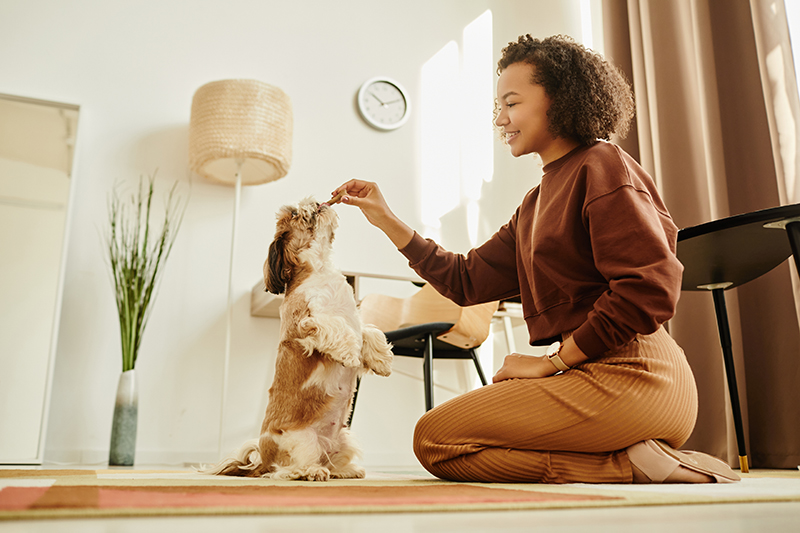
Teaching your dog basic commands is one of the most important steps toward building a strong, trusting bond and ensuring their safety. Commands such as “sit,” “stay,” “come,” and “leave it” not only make daily life easier but also provide mental stimulation for your dog. The good news is that you don’t need a professional trainer or expensive classes to teach your dog these skills—consistent practice at home can yield excellent results. This guide outlines simple, effective strategies to teach your dog basic commands in a positive, stress-free way.
Start with Positive Reinforcement
Positive reinforcement is the foundation of successful dog training. This method involves rewarding your dog with treats, praise, or play whenever they perform the desired behavior. Dogs respond better to encouragement than punishment, and positive reinforcement helps them associate commands with enjoyable outcomes. Make sure rewards are immediate so your dog connects the action with the reward clearly.
Choose a Quiet Training Environment
When starting out, pick a quiet, distraction-free area in your home to focus your dog’s attention. Limiting distractions helps your dog concentrate and speeds up learning. As your dog becomes more proficient, gradually introduce distractions, such as other people or pets, to reinforce command reliability in real-life situations. Short, focused training sessions of 5–10 minutes, several times a day, are more effective than long, tiring sessions.
Teach the “Sit” Command
The “sit” command is usually the easiest for dogs to learn and a great starting point. Hold a treat close to your dog’s nose and slowly move it upward and back over their head. As your dog naturally lowers their hindquarters to follow the treat, say “sit” and immediately reward them. Repeat this process consistently until your dog sits on command without a treat lure.
Teach the “Stay” Command
Once your dog masters “sit,” you can introduce “stay.” Ask your dog to sit, then hold your palm out in front of them and say “stay.” Take a small step back and immediately return to reward them if they remain in position. Gradually increase the distance and duration, rewarding your dog each time. This command helps with impulse control and is essential for safety in various situations.
Teach the “Come” Command
The “come” command is crucial for keeping your dog safe off-leash. Begin in a quiet space with minimal distractions. Use a cheerful tone and say “come” while gently guiding your dog toward you. When they reach you, reward them generously with treats, praise, or play. Avoid scolding your dog if they don’t come immediately; instead, make coming to you a positive, enjoyable experience.
Teach the “Leave It” Command
The “leave it” command teaches your dog self-control and helps prevent them from picking up harmful objects. Place a treat in your hand and close your fist, letting your dog sniff but not take it. Say “leave it” and wait until your dog stops trying to grab it. Reward them immediately once they disengage. Gradually practice with items on the floor, always rewarding compliance to reinforce the behavior.
Be Patient and Consistent
Patience and consistency are key to successful training. Dogs learn at different speeds, and some commands may take longer than others. Use the same word or gesture for each command and practice regularly. Avoid showing frustration, as this can confuse your dog and slow progress. Consistent repetition and positive reinforcement lead to faster learning and stronger habits.
Make Training Fun
Training should be enjoyable for both you and your dog. Incorporate play, praise, and treats to keep sessions engaging. Short, frequent training sessions prevent boredom and maintain your dog’s attention. Fun and positive experiences during training strengthen your bond and make your dog more eager to learn.
FAQs
1. How long does it take to teach basic commands?
Most dogs can learn basic commands within a few weeks with consistent practice. Some may require more time, depending on age, breed, and previous training experience.
2. Can puppies learn basic commands?
Yes. Puppies can start learning commands as early as eight weeks old. Short, frequent sessions and positive reinforcement work best for young dogs.
3. Should I use treats every time?
Initially, use treats to motivate and reinforce behavior. Gradually, you can reduce treats and rely more on praise and affection as your dog becomes proficient.
4. How do I handle distractions during training?
Start in a quiet environment and gradually introduce distractions. Reward your dog for maintaining focus, increasing the challenge step by step.
5. What if my dog doesn’t respond to a command?
Remain patient and avoid punishment. Go back to simpler steps, use higher-value rewards, and practice consistently until your dog succeeds.
Conclusion
Teaching your dog basic commands at home is achievable with patience, consistency, and positive reinforcement. Starting with commands like “sit,” “stay,” “come,” and “leave it” establishes a foundation for good behavior and safety. Short, engaging training sessions, combined with rewards and praise, make learning enjoyable for your dog while strengthening your bond. By following these steps, you can raise a well-behaved, confident, and happy dog who responds reliably to your commands.