
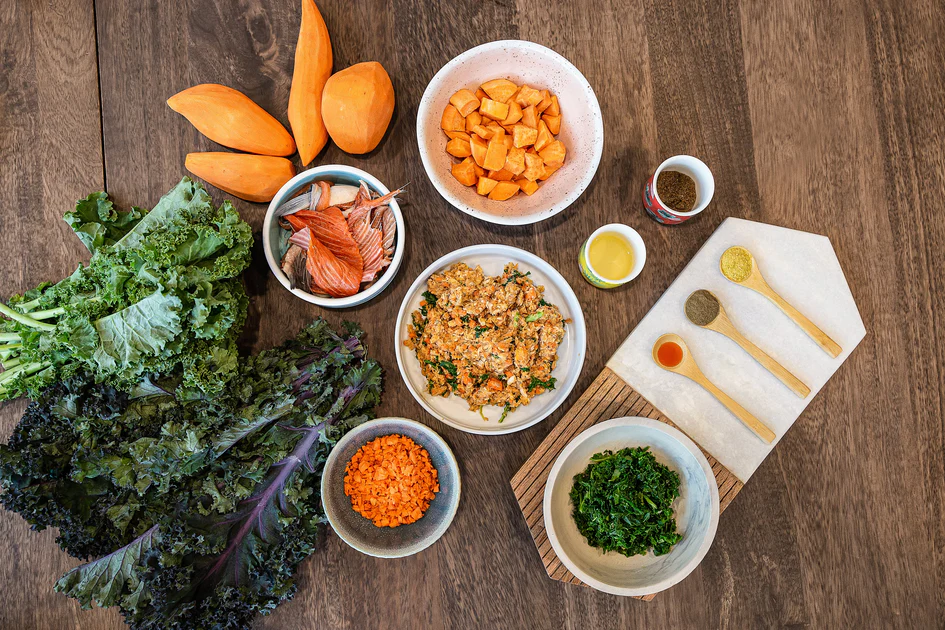
One of the most important things you can do as a pet owner is to give your dog a healthy, balanced diet. Commercial dog foods are easy to find, but making your own meals lets you choose the ingredients, so your dog gets fresh, healthy food without any extra chemicals or preservatives. Making dog food at home can be easy, full of important nutrients, and made just for your dog’s needs. In this guide, we’ll look at some simple, healthy, and tasty recipes for homemade dog food that your furry friend will love. We’ll also give you tips on how to make sure that every meal is good for their health.
Why You Should Make Your Own Dog Food
Making your own dog food lets you give your dog high-quality ingredients that help them grow, give them energy, and keep them healthy. Many store-bought foods have fillers, fake flavors, or by-products that might not be good for your health. You can make sure you get the right amounts of fresh meats, vegetables, grains, and healthy fats by cooking at home. This method can help your dog’s coat, digestion, and energy levels. Also, cooking at home lets you make meals that are safe and healthy for everyone, even if they have allergies, food sensitivities, or special dietary needs.
Important Nutritional Parts for Dogs
A balanced homemade meal should have protein, carbs, fats, vitamins, and minerals in it. Proteins, such as chicken, beef, fish, or eggs, help build muscle and keep the body healthy. Rice, quinoa, and sweet potatoes are all good sources of carbohydrates that give you energy for your daily activities. Fish oil and coconut oil are two examples of healthy fats that can help your skin and coat look better. Vegetables like carrots, spinach, and peas supply fiber, vitamins, and antioxidants. Lastly, supplements like calcium or omega-3 fatty acids can improve your dog’s diet, but you should talk to your vet before giving them to your dog.
How to Make Easy Chicken and Rice Dog Food
Chicken and rice is a classic homemade dog food that is easy on the stomach and has a lot of protein. To make this meal, boil a cup of chicken breast until it’s fully cooked, then shred it into small pieces. Make one cup of brown rice on its own and then add it to the chicken. Add steamed peas and carrots for fiber and vitamins. Drizzle a teaspoon of olive oil over the mixture to add healthy fats. Let the food cool down before you serve it. This recipe is good for most adult dogs. You can keep it in the fridge for up to three days or freeze it in portions to use later.
Beef and vegetable stew that is good for you
A hearty stew made with beef and vegetables is both filling and good for you. Use lean ground beef or small pieces of beef and cook them all the way through in a pot. Add diced sweet potatoes, green beans, and zucchini, and cook until they are soft. You can also add a little bit of brown rice or oatmeal to give you more carbs. Add a teaspoon of fish oil to the end for omega-3 fatty acids. This stew has a good mix of protein, fiber, and vitamins that will keep your dog healthy and full of energy. It’s great for dogs who like meals that are soft and easy to digest.
A Healthy Meal of Salmon and Quinoa
Salmon is a great source of high-quality protein and essential fatty acids that are good for the health of your skin and coat. Bake a salmon fillet until it’s fully cooked, then break it up into small pieces for a quick and easy meal. Make ½ cup of quinoa and stir it into the salmon. Adding steamed broccoli, carrots, or peas will give you more fiber and vitamins. To help your bones stay healthy, you can sprinkle a little bit of calcium supplement or finely ground eggshell powder on them. Salmon has a lot of omega-3s, which makes this recipe great for dogs with dull coats or dry skin.
Sweet Potato and Turkey Delight
Turkey is low in fat, easy to digest, and often suggested for dogs with sensitive stomachs. Mix together cooked ground turkey, mashed sweet potatoes, and a handful of cooked green beans. Sweet potatoes are a good source of beta-carotene and complex carbohydrates, both of which are good for your eyes and immune system. For more flavor and healthy fats, you can also add a teaspoon of coconut oil. This meal is good for adult dogs, and you can make a lot of it at once to make meal prep easier. To avoid any stomach problems, make sure all the ingredients are fully cooked and cooled before serving.
How to safely make dog food at home
Safety is the most important thing to think about when making food for your dog at home. Toxic foods like onions, garlic, grapes, raisins, chocolate, and xylitol should never be eaten. To avoid getting sick from bacteria, make sure all meats are fully cooked. To get rid of pesticides and other harmful substances, wash vegetables well. It’s also important to control how much food your dog eats. To keep them at a healthy weight, feed them based on their size, age, and level of activity. To avoid stomach problems, slowly add new recipes to their diet. If you talk to your vet on a regular basis, you can be sure that the meals you make for your dog at home are full of the nutrients they need.
How to Store Homemade Dog Food
To keep homemade dog food fresh and safe, it needs to be stored correctly. You can keep portions in the fridge for up to three days if you put them in airtight containers. If you want to keep meals for a long time, freeze them in single servings and then thaw them in the fridge before serving. Don’t leave prepared meals out at room temperature for long periods of time because this can help bacteria grow. Putting the date of preparation on containers helps you keep track of how fresh they are. If you follow the right storage instructions, your dog will always get safe, high-quality food.
Pros of a Homemade Diet
There are many benefits to giving your dog homemade food. Dogs often have better digestion, shinier coats, healthier skin, and more energy. You can customize homemade diets, which is especially good for dogs with allergies, intolerances, or health problems. Cooking at home can also help you and your pet get closer because mealtime becomes a time when you both care for and pay attention to each other. Giving your dog balanced, high-quality meals is an investment in their long-term health and happiness.
Questions and Answers
1. Is homemade dog food a good substitute for store-bought food?
Yes, if they are nutritionally balanced, homemade meals can completely take the place of store-bought dog food. Talk to your vet to make sure that all the important nutrients are there.
2. How often should I make my dog meals at home?
You can make homemade meals every day or in large batches and keep them in the fridge for up to three days or longer in the freezer.
3. Are there any foods I shouldn’t give my dog at home?
Stay away from foods that are bad for you, like onions, garlic, chocolate, grapes, raisins, and artificial sweeteners like xylitol. Before you feed your pet, always look up new ingredients.
4. Is it okay for puppies to eat dog food made at home?
Yes, but puppy recipes need more protein and fat to help them grow. Before giving young dogs homemade food, always talk to your vet.
5. How can I tell if the dog food I made at home has all the nutrients it needs?
A veterinarian or pet nutritionist can help you come up with recipes that give your pet all the nutrients they need. Depending on the recipe, you might need to take supplements for calcium, vitamins, or fatty acids.
In conclusion
Making your own dog food is an easy and effective way to give your pet fresh, healthy meals without the extra ingredients that are sometimes found in store-bought food. Chicken and rice, beef and vegetable stew, salmon with quinoa, and turkey with sweet potatoes are all good recipes that give your dog a balanced diet that helps with digestion, coat health, and overall health. You can safely feed your dog at home and make meals that are just right for them if you follow the right steps for preparing, portioning, and storing food. A homemade diet not only makes your dog healthier, but it also strengthens your bond with them, which will make your life together happier and healthier.