
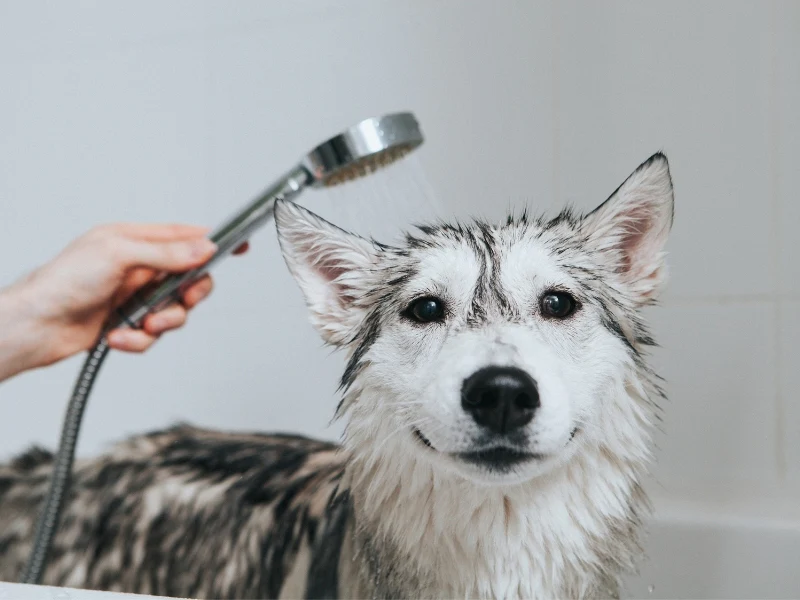
A dog’s coat is more than just fur—it’s a reflection of their overall health and well-being. When your dog’s coat is shiny, soft, and full, it’s usually a sign they’re thriving. But if it looks dull, dry, or rough, it could mean something’s off with their nutrition, grooming, or overall care. Fortunately, you don’t need expensive treatments or harsh chemicals to restore that healthy glow. With a few natural tips and lifestyle changes, you can help your furry friend look and feel their best from the inside out.
In this guide, we’ll explore how to keep your dog’s coat shiny and healthy naturally, covering everything from diet and hydration to grooming routines and home remedies.
1. Feed a Balanced, Nutrient-Rich Diet
A shiny coat begins with proper nutrition. Dogs need a well-balanced diet packed with essential nutrients, vitamins, and healthy fats. Omega-3 and omega-6 fatty acids are particularly important for maintaining a glossy coat and healthy skin.
Foods rich in these fatty acids include fish like salmon and sardines, flaxseed oil, and coconut oil. You can also choose high-quality dog food that lists real meat as the first ingredient and avoids artificial colors or fillers. If your dog’s diet is mainly dry kibble, talk to your vet about adding a small amount of wet food or supplements to improve coat condition.
2. Keep Your Dog Hydrated
Dehydration is one of the most common reasons for dry, flaky skin and dull fur. Just like humans, dogs need plenty of clean, fresh water every day to keep their skin hydrated and their coat smooth.
Make sure your dog always has access to clean water. You can even encourage hydration by offering dog-safe broth or wet food occasionally. If you notice that your dog’s skin looks dry or flaky, increasing water intake may make a big difference in just a few weeks.
3. Regular Grooming for a Healthier Coat
Grooming isn’t just about keeping your dog clean—it’s essential for coat health. Brushing removes loose fur, distributes natural oils, and stimulates blood flow to the skin, all of which contribute to a shiny coat.
For short-haired breeds, brushing once or twice a week is usually enough. Long-haired dogs may need daily brushing to prevent tangles and matting. Use a brush suitable for your dog’s coat type—slicker brushes for long hair and bristle brushes for short coats.
Regular baths are also important, but avoid over-bathing. Washing your dog too often can strip away natural oils, leaving their coat dry. Use a gentle, natural dog shampoo made with ingredients like oatmeal, aloe vera, or coconut oil to maintain moisture balance.
4. Add Natural Oils to Their Diet
Healthy fats play a key role in achieving that shiny, soft look. Adding small amounts of natural oils to your dog’s meals can make a visible difference.
Coconut oil, salmon oil, or flaxseed oil are great options. These oils not only promote a glossy coat but also support joint health and reduce inflammation. Start with a teaspoon for small dogs or a tablespoon for larger breeds, but always check with your vet before adding oils to your dog’s diet to ensure proper dosage.
5. Avoid Harsh Chemicals and Over-Bathing
Many commercial grooming products contain sulfates, parabens, or artificial fragrances that can irritate your dog’s skin. These harsh ingredients strip away natural oils and cause dryness or itchiness.
When bathing, always use mild, natural shampoos designed for dogs. You can even make your own at home by mixing a cup of unscented castile soap with a few drops of lavender or chamomile essential oil (dog-safe ones only). Limit baths to once every 4–6 weeks unless your dog gets dirty frequently.
6. Manage Allergies and Skin Irritations
Sometimes, a dull or patchy coat is caused by allergies. Dogs can be sensitive to certain foods, pollen, dust, or flea bites. If your dog is constantly scratching or licking, it could be a sign of an allergic reaction.
Identify and eliminate the triggers by switching to hypoallergenic food or using flea preventatives. You can also try adding natural anti-inflammatory foods like turmeric or omega-rich fish oils to soothe irritated skin. However, always consult your vet before making any major dietary changes.
7. Ensure Regular Exercise and Sunlight
Physical activity isn’t just good for your dog’s muscles—it also improves coat health. Exercise boosts blood circulation, helping nutrients reach the skin and hair follicles more efficiently.
Take your dog for daily walks or play sessions outdoors. A little sunshine helps regulate hormones that affect coat health, but avoid long exposure during hot weather. Fresh air and movement are natural ways to promote a shiny, vibrant coat.
8. Use Natural Coat-Conditioning Remedies
There are several natural remedies that can help restore shine to your dog’s coat:
- Apple Cider Vinegar Rinse: Mix one part apple cider vinegar with two parts water and rinse your dog’s coat after shampooing. This helps remove buildup and leaves the coat soft and glossy.
- Oatmeal Soak: If your dog’s skin is dry or itchy, an oatmeal bath can soothe irritation and lock in moisture.
- Aloe Vera Gel: Apply a small amount to dry patches to calm inflammation and promote healing.
Always test a small area first to ensure your dog doesn’t have an adverse reaction to any natural treatment.
9. Regular Vet Checkups
Even with the best home care, your dog may experience coat issues linked to underlying health conditions such as thyroid problems, hormonal imbalances, or parasites. Regular vet visits help catch these issues early.
Your vet can recommend supplements like fish oil, zinc, or biotin if your dog needs extra nutritional support. Routine checkups also ensure that your dog’s vaccinations and parasite preventatives are up to date—important steps in maintaining coat and skin health.
10. Keep Your Dog Stress-Free
Stress can have a surprising impact on your dog’s appearance. Anxiety and nervousness can lead to excessive shedding, skin irritation, and even fur loss.
Make sure your dog feels safe and loved. Create a calm environment, give them plenty of attention, and engage in interactive play. Mental health is closely tied to physical health, and a happy dog often has a shinier, healthier coat.
Frequently Asked Questions (FAQs)
1. How often should I brush my dog to maintain a shiny coat?
Most dogs benefit from brushing at least two to three times a week. Long-haired breeds may require daily brushing to prevent tangles and keep their coats smooth.
2. Can I give my dog human supplements for coat health?
No, human supplements can be harmful to dogs. Always use vet-approved supplements specifically formulated for pets.
3. What natural foods help make my dog’s coat shiny?
Foods rich in omega-3 fatty acids like salmon, sardines, and flaxseed, as well as eggs and sweet potatoes, are great for coat health.
4. Is coconut oil safe for my dog’s coat?
Yes, in moderation. You can add a small amount to your dog’s food or apply it topically to soothe dry skin and enhance shine.
5. Why is my dog’s coat dull even after regular grooming?
A dull coat may indicate poor diet, dehydration, allergies, or an underlying health issue. Consult your vet to identify the cause and find the right solution.
Conclusion
Keeping your dog’s coat shiny and healthy doesn’t require expensive grooming products—just consistent care, good nutrition, and a little natural love. Focus on feeding a balanced diet, staying on top of grooming, and using gentle, chemical-free methods. When your dog is healthy on the inside, it will always show on the outside. A glossy, soft coat is more than a sign of beauty—it’s proof of your dog’s overall happiness and vitality.