Best Dog Sites

Generic selectors
Exact matches only
Search in title
Search in content
Post Type Selectors

Dog Health & Care

How to Keep Your Dog’s Coat Shiny and Healthy Naturally?

A dog’s coat is more than just fur—it’s a reflection of their overall health and well-being. When your dog’s coat is shiny, soft, and full, it’s usually a sign they’re thriving. But if it looks dull, dry, or rough, it could mean something’s off with their nutrition, grooming, or overall care. Fortunately, you don’t need expensive treatments or harsh chemicals to restore that healthy glow. With a few natural tips and lifestyle changes, you can help your furry friend look and feel their best from the inside out.

In this guide, we’ll explore how to keep your dog’s coat shiny and healthy naturally, covering everything from diet and hydration to grooming routines and home remedies.

1. Feed a Balanced, Nutrient-Rich Diet

A shiny coat begins with proper nutrition. Dogs need a well-balanced diet packed with essential nutrients, vitamins, and healthy fats. Omega-3 and omega-6 fatty acids are particularly important for maintaining a glossy coat and healthy skin.

Foods rich in these fatty acids include fish like salmon and sardines, flaxseed oil, and coconut oil. You can also choose high-quality dog food that lists real meat as the first ingredient and avoids artificial colors or fillers. If your dog’s diet is mainly dry kibble, talk to your vet about adding a small amount of wet food or supplements to improve coat condition.

2. Keep Your Dog Hydrated

Dehydration is one of the most common reasons for dry, flaky skin and dull fur. Just like humans, dogs need plenty of clean, fresh water every day to keep their skin hydrated and their coat smooth.

Make sure your dog always has access to clean water. You can even encourage hydration by offering dog-safe broth or wet food occasionally. If you notice that your dog’s skin looks dry or flaky, increasing water intake may make a big difference in just a few weeks.

3. Regular Grooming for a Healthier Coat

Grooming isn’t just about keeping your dog clean—it’s essential for coat health. Brushing removes loose fur, distributes natural oils, and stimulates blood flow to the skin, all of which contribute to a shiny coat.

For short-haired breeds, brushing once or twice a week is usually enough. Long-haired dogs may need daily brushing to prevent tangles and matting. Use a brush suitable for your dog’s coat type—slicker brushes for long hair and bristle brushes for short coats.

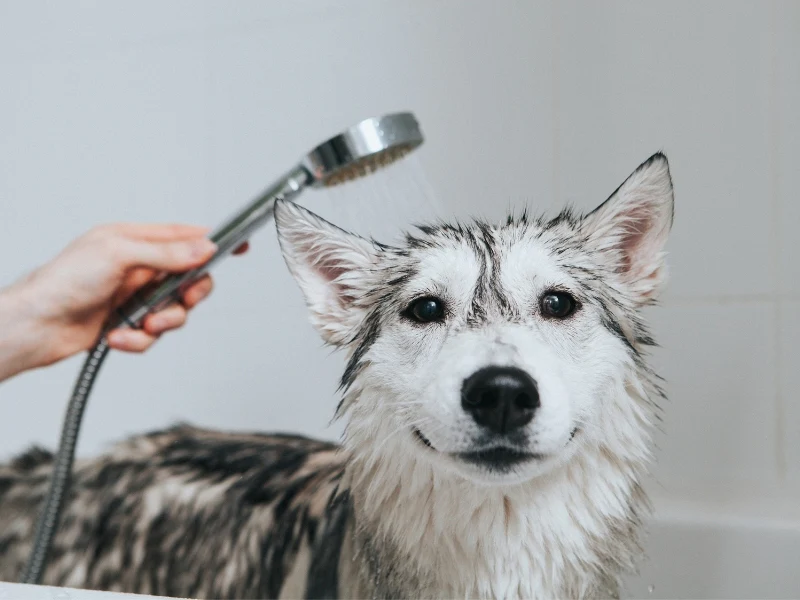
Regular baths are also important, but avoid over-bathing. Washing your dog too often can strip away natural oils, leaving their coat dry. Use a gentle, natural dog shampoo made with ingredients like oatmeal, aloe vera, or coconut oil to maintain moisture balance.

4. Add Natural Oils to Their Diet

Healthy fats play a key role in achieving that shiny, soft look. Adding small amounts of natural oils to your dog’s meals can make a visible difference.

Coconut oil, salmon oil, or flaxseed oil are great options. These oils not only promote a glossy coat but also support joint health and reduce inflammation. Start with a teaspoon for small dogs or a tablespoon for larger breeds, but always check with your vet before adding oils to your dog’s diet to ensure proper dosage.

5. Avoid Harsh Chemicals and Over-Bathing

Many commercial grooming products contain sulfates, parabens, or artificial fragrances that can irritate your dog’s skin. These harsh ingredients strip away natural oils and cause dryness or itchiness.

When bathing, always use mild, natural shampoos designed for dogs. You can even make your own at home by mixing a cup of unscented castile soap with a few drops of lavender or chamomile essential oil (dog-safe ones only). Limit baths to once every 4–6 weeks unless your dog gets dirty frequently.

6. Manage Allergies and Skin Irritations

Sometimes, a dull or patchy coat is caused by allergies. Dogs can be sensitive to certain foods, pollen, dust, or flea bites. If your dog is constantly scratching or licking, it could be a sign of an allergic reaction.

Identify and eliminate the triggers by switching to hypoallergenic food or using flea preventatives. You can also try adding natural anti-inflammatory foods like turmeric or omega-rich fish oils to soothe irritated skin. However, always consult your vet before making any major dietary changes.

7. Ensure Regular Exercise and Sunlight

Physical activity isn’t just good for your dog’s muscles—it also improves coat health. Exercise boosts blood circulation, helping nutrients reach the skin and hair follicles more efficiently.

Take your dog for daily walks or play sessions outdoors. A little sunshine helps regulate hormones that affect coat health, but avoid long exposure during hot weather. Fresh air and movement are natural ways to promote a shiny, vibrant coat.

8. Use Natural Coat-Conditioning Remedies

There are several natural remedies that can help restore shine to your dog’s coat:

  • Apple Cider Vinegar Rinse: Mix one part apple cider vinegar with two parts water and rinse your dog’s coat after shampooing. This helps remove buildup and leaves the coat soft and glossy.
  • Oatmeal Soak: If your dog’s skin is dry or itchy, an oatmeal bath can soothe irritation and lock in moisture.
  • Aloe Vera Gel: Apply a small amount to dry patches to calm inflammation and promote healing.

Always test a small area first to ensure your dog doesn’t have an adverse reaction to any natural treatment.

9. Regular Vet Checkups

Even with the best home care, your dog may experience coat issues linked to underlying health conditions such as thyroid problems, hormonal imbalances, or parasites. Regular vet visits help catch these issues early.

Your vet can recommend supplements like fish oil, zinc, or biotin if your dog needs extra nutritional support. Routine checkups also ensure that your dog’s vaccinations and parasite preventatives are up to date—important steps in maintaining coat and skin health.

10. Keep Your Dog Stress-Free

Stress can have a surprising impact on your dog’s appearance. Anxiety and nervousness can lead to excessive shedding, skin irritation, and even fur loss.

Make sure your dog feels safe and loved. Create a calm environment, give them plenty of attention, and engage in interactive play. Mental health is closely tied to physical health, and a happy dog often has a shinier, healthier coat.

Frequently Asked Questions (FAQs)

1. How often should I brush my dog to maintain a shiny coat?
Most dogs benefit from brushing at least two to three times a week. Long-haired breeds may require daily brushing to prevent tangles and keep their coats smooth.

2. Can I give my dog human supplements for coat health?
No, human supplements can be harmful to dogs. Always use vet-approved supplements specifically formulated for pets.

3. What natural foods help make my dog’s coat shiny?
Foods rich in omega-3 fatty acids like salmon, sardines, and flaxseed, as well as eggs and sweet potatoes, are great for coat health.

4. Is coconut oil safe for my dog’s coat?
Yes, in moderation. You can add a small amount to your dog’s food or apply it topically to soothe dry skin and enhance shine.

5. Why is my dog’s coat dull even after regular grooming?
A dull coat may indicate poor diet, dehydration, allergies, or an underlying health issue. Consult your vet to identify the cause and find the right solution.

Conclusion

Keeping your dog’s coat shiny and healthy doesn’t require expensive grooming products—just consistent care, good nutrition, and a little natural love. Focus on feeding a balanced diet, staying on top of grooming, and using gentle, chemical-free methods. When your dog is healthy on the inside, it will always show on the outside. A glossy, soft coat is more than a sign of beauty—it’s proof of your dog’s overall happiness and vitality.

How to Keep Your Dog’s Coat Shiny and Healthy Naturally? Read More »

How to Build a Daily Care Routine for a Happier, Healthier Dog?

Every dog ​​deserves a happy, healthy, and loving life. As a pet owner, establishing a daily grooming routine is one of the most effective ways to ensure your dog’s healthy physical and mental development. Dogs thrive when their basic needs—food, exercise, grooming, and emotional stimulation—are consistently met. A well-structured routine not only strengthens the bond between you and your dog but also helps prevent long-term behavioral and health problems. In this guide, we explore how to establish a simple and effective daily grooming routine to keep your dog happy, healthy, and energetic.

Start with Regular Feeding Times

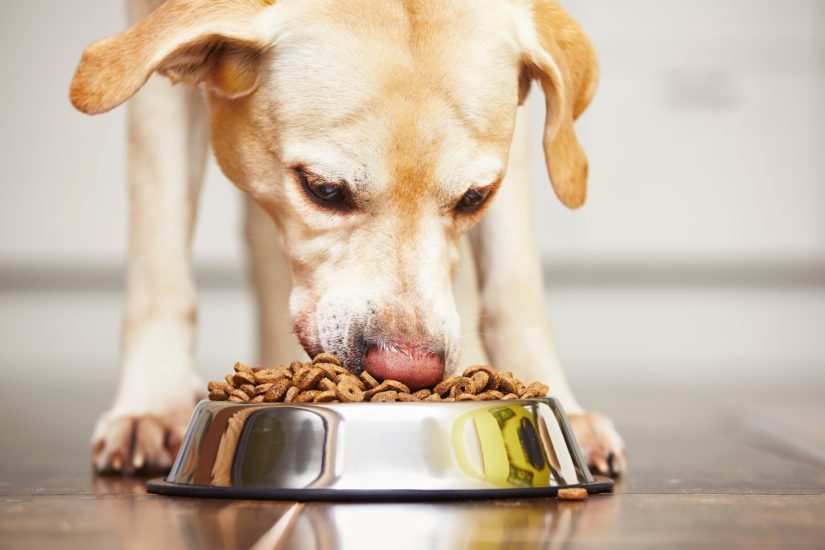
A reliable feeding schedule forms the foundation of your dog’s daily routine. Dogs thrive on routine, and feeding them at the same time every day helps regulate digestion, prevent overeating, and reduce anxiety. Most adult dogs need two meals a day, while puppies typically need three to four small meals. Make sure your dog’s diet is balanced and appropriate for their age, breed, and activity level. Consult your veterinarian for a high-quality dog ​​food rich in essential nutrients, vitamins, and minerals. Regular feeding times also allow you to observe your dog’s appetite and quickly identify changes that could indicate health problems.

Daily Exercise

Exercise is crucial for a dog’s physical and mental health. Regular walks, play, and interactive activities help maintain a healthy weight, build muscle strength, and improve cardiovascular health. Dogs that don’t get enough exercise can become bored or anxious, leading to destructive behavior such as biting or excessive barking. Adjust your exercise schedule to your dog’s breed and energy level—an energetic Border Collie may need several walks and play sessions per day, while smaller or older dogs may need shorter, more leisurely walks. By adding variety to your activities, such as retrieving, puzzles, or agility training, you can keep your dog mentally active and physically healthy.

Grooming and Coat Care

Grooming is more than just making your dog look good—it’s essential for their health. Regular brushing removes loose hair, prevents tangles, and stimulates the production of natural oils, resulting in a shiny coat and healthy skin. How often you groom your dog depends on its coat type: short-haired dogs may only need brushing once a week, while long-haired dogs require daily brushing. Use a mild, pet-friendly shampoo when bathing your dog and do so only when necessary to avoid stripping its natural oils. Regular nail trimming, ear cleaning, and dental care should also be part of your daily routine. Good hygiene reduces the risk of infection and keeps your dog comfortable.

Monitoring Health and Behavior

Daily observation is essential for early detection of potential health problems. Check your dog’s skin for bumps, rashes, or parasites such as fleas and ticks. Pay attention to changes in appetite, energy level, or behavior, as these can be early signs of illness. Regularly check the eyes, ears, and teeth to identify and address problems before they worsen. If you notice persistent changes or symptoms in your dog, such as vomiting, diarrhea, or excessive scratching, schedule a veterinary checkup immediately. Regular health checkups and veterinary visits contribute to maintaining your dog’s overall health.

Mental Stimulation and Training

Mental exercise is just as important as physical activity. Dogs are intelligent animals and need mental stimulation to prevent boredom and destructive behavior. Incorporate short training sessions into your daily routine and teach your dog commands, tricks, or agility exercises. Brain training toys, treat-filled toys, and interactive games can challenge their problem-solving skills and keep their minds sharp. Positive reinforcement during training helps build trust and strengthen the bond between you and your dog. Even a few minutes of mental stimulation each day can improve your dog’s behavior and reduce anxiety.

Social Interaction and Playtime

Dogs are social animals and need interaction with people and other pets to thrive. Daily social interaction helps prevent loneliness and promotes their mental health. Spend time playing with your dog, such as retrieving, tug-of-war

Ensure your dog feels safe and happy at home and improve their mental health.

Benefits of Regularity and Routine

Regularity is the cornerstone of effective dog care. Dogs feel more secure when they know what’s coming each day. Regular feeding, walking, grooming, and playtimes reduce stress and promote predictable behavior. Structured routines also aid in potty training and prevent problem behaviors such as anxiety, barking, or biting. Following a regular schedule creates a harmonious environment that promotes your dog’s physical, mental, and emotional health.

Integrate Preventative Care

Preventative care should be an integral part of your daily routine. Administer flea, tick, and parasite medications as prescribed by your veterinarian. Vaccinate your dog on time and schedule regular checkups. Grooming, dental care, and skin checkups all help prevent minor problems from becoming major problems. Preventative care not only protects your dog from illness but also ensures they remain energetic, healthy, and comfortable throughout their life.

Frequently Asked Questions

1. How much exercise should my dog ​​get per day?

1. The duration of exercise depends on the dog’s breed, age, and energy level. Most adult dogs need at least 30-60 minutes of exercise daily, while more energetic breeds may require more.

2. Can I integrate training into my dog’s daily routine?

Absolutely. Several short training sessions of 5-15 minutes per day are very effective. Training stimulates a dog’s intellectual development and strengthens the bond between you and your dog.

3. How often should I brush my dog’s coat?

The frequency of brushing depends on the coat type. Short-haired dogs may need brushing once a week, while long-haired dogs need daily brushing. Regular nail trimming, ear cleaning, and bathing are also recommended, as needed.

4. Is it necessary to follow the same routine every day?

While minor adjustments are possible, maintaining a consistent schedule helps dogs feel secure and develop healthy habits. Regularity is crucial for a dog’s behavioral, digestive, and emotional health.

5. How can I determine if my dog’s daily routine is effective?

A successful routine includes a healthy coat, a regular appetite, sufficient energy, relaxed behavior, and fewer behavioral problems. Adjust the routine as needed based on your dog’s actual needs.

Conclusion

Establishing a daily grooming routine for your dog is one of the most effective ways to express love and responsibility. A structured schedule, including regular feeding, exercise, grooming, emotional support, and preventative care, ensures your dog stays happy, healthy, and well-balanced. By observing your dog’s behavior and health daily, you can identify and address potential problems early, while consistent attention strengthens your bond. By investing time and effort in creating a balanced routine for your dog, you can create a long-lasting, happy, and vibrant foundation for your furry companion.

How to Build a Daily Care Routine for a Happier, Healthier Dog? Read More »

Top Signs Your Dog Might Be Feeling Unwell and What to Do

Dogs can’t tell us when they’re uncomfortable, so we need to pay attention to the subtle and even obvious signals their bodies give us to determine if they’re ill. As a pet owner, understanding how to recognize signs of illness early is crucial for your dog’s health and recovery. Many illnesses are easily treatable if detected and treated early, but ignoring them can lead to more serious problems. In this article, we’ll explore common symptoms of illness in dogs and discuss what you can do to ensure your beloved pet gets the care it needs.

Changes in Appetite or Water Intake

One of the first signs of illness in dogs is a sudden change in appetite or water intake. If your dog refuses to eat or eats significantly less than usual, this could indicate dental problems, digestive issues, or even more serious illnesses like kidney disease or an infection. Similarly, excessive water intake or urination can indicate diabetes or other metabolic problems. By observing your dog’s eating habits daily, you can detect changes early. If your dog skips more than one meal or is constantly thirsty, contact your veterinarian for a checkup.

Lossiness or Lack of Energy

A normally active dog that suddenly becomes quiet, tired, or uninterested in any activity could indicate an underlying health problem. While dogs can sometimes be lazy, persistent lethargy should not be ignored. It can be a sign of fever, infection, pain, or even serious illnesses such as heart disease. If your dog seems weak, refuses to play, or sleeps much longer than usual, it’s best to take them to the vet. By closely observing your dog’s behavior and noting when the change began, your veterinarian can better diagnose the cause.

Vomiting or Diarrhea

Occasionally vomiting or diarrhea isn’t always a cause for concern, but frequent or severe vomiting and diarrhea can indicate more serious problems such as bacterial infections, intestinal obstructions, or food intolerances. Puppies and small breeds are prone to dehydration from fluid loss, so quick action is essential. If the vomiting persists, contains blood, or if your dog appears weak or refuses to eat, consult a veterinarian immediately. By keeping your dog well-hydrated and avoiding sudden changes in their diet, you can reduce the risk of indigestion later on.

Weight Changes

Weight changes, whether gaining or losing weight, often indicate underlying health problems. If your dog has a good appetite but is losing weight, this could indicate conditions such as diabetes, parasitic infections, or thyroid problems. On the other hand, rapid weight gain can be caused by overfeeding, lack of exercise, or hormonal imbalances. Regularly weighing your dog at home or at the vet can help you detect these trends early. A balanced diet and regular exercise are also crucial to preventing unhealthy weight fluctuations.

Coughing or Breathing Problems

Coughing, wheezing, or other changes in breathing should be taken seriously. These symptoms can indicate respiratory infections, allergies, or even heart disease. Dogs with kennel cough can have a severe, dry cough, while dogs with fluid in their lungs may have difficulty breathing or a bluish tongue. If your dog has difficulty breathing or a persistent cough, consult a veterinarian immediately. Protect your dog’s respiratory health by avoiding exposure to cigarette smoke, having them checked regularly, and keeping them away from other sick pets.

Changes in Urination Behavior

Frequent urination, difficulty urinating, or inappropriate urination or defecation in the house can be symptoms of urinary tract infections, bladder stones, or kidney disease. If you see blood in the urine or if your dog barks while urinating, this is a clear sign of discomfort. Older dogs are particularly susceptible to urinary problems, so early detection is crucial. Ensure your dog always has access to clean water and urinates regularly outdoors. If changes in urination persist, schedule a veterinarian appointment as soon as possible for examination and treatment.

Bad breath or dental problems

Many pet owners neglect their dog’s dental health, but bad breath can be a sign of gum disease, infections, or even liver and kidney problems. Healthy gums should be pink, not red or swollen. If your dog isn’t chewing or if food falls out of their mouth, they may be in pain. Regular brushing, using dental treats, and annual dental cleanings can help.

Behavioral observation is essential. A normally friendly dog ​​that suddenly becomes aggressive, anxious, or withdrawn could be due to pain or discomfort. Similarly, a well-trained dog that suddenly starts urinating or defecating indoors could indicate a problem with its urinary or digestive system. Sudden changes in a dog’s temperament or habits should be taken seriously. Observe your dog’s behavior closely and, if in doubt, consult a veterinarian to rule out medical conditions before determining a behavioral problem.

Persistent Itching or Ear Problems

Persistent ear scratching, head shaking, or unusual ear odor could indicate an ear infection or ear mites. Dogs with long ears or dogs that swim frequently are particularly prone to these problems. Untreated ear infections can lead to severe discomfort and hearing loss. Clean your dog’s ears regularly with a gentle, veterinarian-recommended ear cleaner and avoid inserting foreign objects into the ear canal. If redness, swelling, or discharge occurs, professional treatment is necessary.

Frequently Asked Questions

1. How do I determine if my dog’s symptoms are severe?

1. If your dog’s symptoms last longer than 24 hours, worsen, or develop vomiting, fever, difficulty breathing, or lethargy, it’s best to take them to the vet immediately. Early intervention can often prevent complications.

2. If my dog ​​has only vomited once, should I wait before taking them to the vet?

If your dog has only vomited once and seems fine afterward, monitor them closely. However, if your dog vomits repeatedly, has a poor appetite, or is weak, consult a veterinarian immediately.

3. Why is my dog ​​suddenly refusing to eat?

Loss of appetite can be caused by stress, infection, or dental problems. If this lasts more than a day or two, you should definitely take them to the vet.

4. What should I do if my dog’s behavior changes at night?

Sudden behavioral changes often indicate that your dog is uncomfortable or in pain. Schedule a physical examination to rule out underlying medical conditions before considering training or behavioral therapy.

5. Can home care replace a visit to the vet?

Home care can help with some minor problems, but professional diagnosis and treatment are essential for proper care. Never rely solely on home remedies for persistent or severe symptoms.

Conclusion

Recognizing signs that your dog may be ill is one of the most important responsibilities of a pet owner. From changes in appetite and energy to more visible symptoms like coughing or scratching, every little detail can provide clues about your dog’s health. The sooner you notice these changes and take action, the better your furry friend’s health will be. Always trust your instincts—if something seems amiss, consult your veterinarian. A little attention and timely care will keep your dog happy, healthy, and energetic.

Top Signs Your Dog Might Be Feeling Unwell and What to Do Read More »

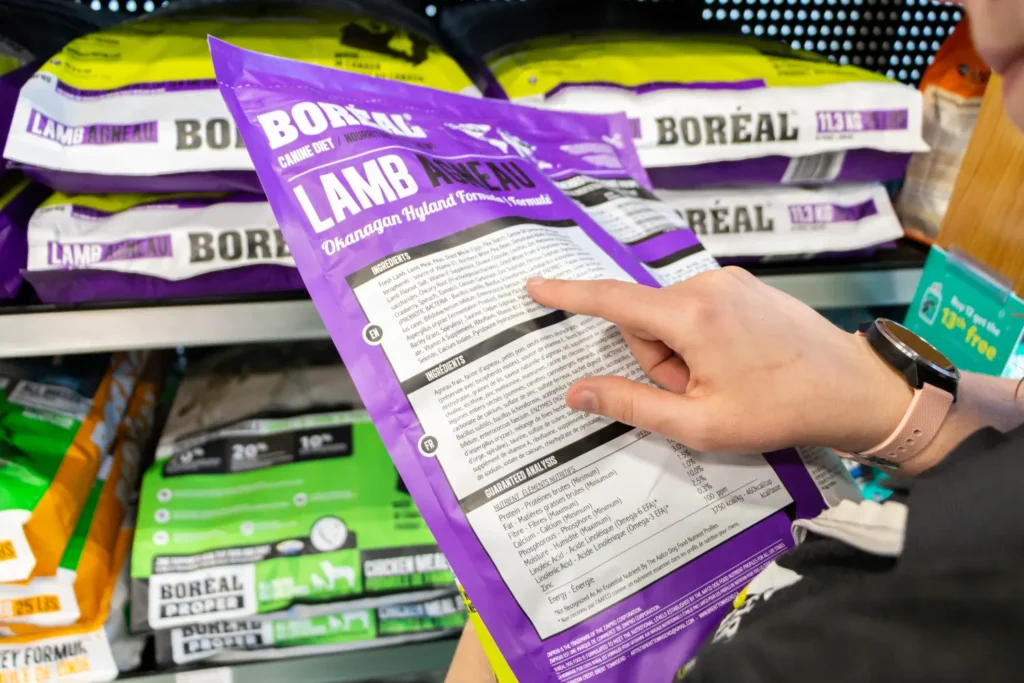
How to Read Dog Food Labels Like a Pro?

Choosing the right dog food is crucial for your pet’s health, but navigating the ingredient lists and nutritional information on dog food labels can be confusing. Understanding how to read dog food labels helps you make informed decisions, ensures your dog receives balanced nutrition, and prevents feeding foods with harmful ingredients. Whether you’re a new dog owner or looking to improve your dog’s diet, learning to read labels like a pro empowers you to select high-quality, safe, and nutritious food.

Understand the Guaranteed Analysis

The guaranteed analysis section of a dog food label provides key information about nutrient content, including protein, fat, fiber, and moisture levels.

  • Protein: Essential for muscle development, repair, and overall growth. Look for a protein source as the first ingredient.

  • Fat: Provides energy, supports healthy skin and coat, and aids in nutrient absorption.

  • Fiber: Supports digestion and helps maintain a healthy weight.

  • Moisture: Indicates water content; higher moisture is common in wet foods, while dry kibble has lower moisture.

By understanding these percentages, you can compare different brands and formulas to ensure your dog receives appropriate nutrition for their life stage and activity level.

Identify the First Few Ingredients

Ingredients are listed in descending order by weight, meaning the first ingredient makes up the largest portion of the food. High-quality dog food should list real animal protein, such as chicken, beef, lamb, or fish, as the first ingredient. Avoid foods that list by-products, fillers, or unnamed meat sources. Ingredients like whole grains, vegetables, and fruits are beneficial additions, while artificial colors, flavors, or preservatives should be minimized.

Look for Life Stage and Breed Information

Dog food labels indicate the intended life stage of the product, such as puppy, adult, or senior. Puppies need higher protein and fat content to support growth, while senior dogs require easily digestible nutrients and joint-supporting supplements. Some brands also provide breed-specific formulas for small, medium, or large breeds, addressing unique nutritional requirements. Selecting food appropriate for your dog’s life stage ensures balanced nutrition tailored to their needs.

Understand Health and Functional Claims

Many dog food labels feature claims such as “supports joint health,” “promotes shiny coat,” or “grain-free.” While these claims may reflect certain nutritional benefits, it’s important to verify the ingredients and nutrient content behind them. For example, foods claiming joint support may include glucosamine and chondroitin, while coat-promoting foods often contain omega-3 fatty acids. Check whether the claims are supported by the ingredient list and consult your veterinarian if you have questions about specific health needs.

Check for AAFCO Statements

The Association of American Feed Control Officials (AAFCO) sets nutritional standards for pet foods. Look for an AAFCO statement on the label, which indicates that the food meets minimum nutrient requirements for growth, maintenance, or all life stages. This statement is often found near the bottom of the label and may read: “Formulated to meet the nutritional levels established by the AAFCO Dog Food Nutrient Profiles.” Choosing foods with AAFCO approval ensures your dog receives a complete and balanced diet.

Understand Caloric Content

Dog food labels may include the calorie content per serving, usually expressed in kilocalories (kcal). Understanding calories helps you determine portion sizes and manage your dog’s weight. Active dogs may require more calories, while less active or senior dogs need fewer. If your dog is gaining or losing weight unexpectedly, adjust portion sizes based on caloric information and consult your veterinarian for guidance.

Watch Out for Fillers and Additives

Some dog foods contain fillers like corn, wheat, or soy, which add bulk but provide limited nutritional value. While these ingredients are not harmful to most dogs, they should not dominate the food. Artificial colors, flavors, and preservatives can also be avoided in favor of natural alternatives. Reading labels carefully helps you choose foods with higher-quality ingredients that support long-term health.

Tips for Comparing Dog Food Labels

  1. Compare protein sources: Animal proteins should come first; avoid generic terms like “meat meal” without specifying the source.

  2. Evaluate carbohydrate sources: Whole grains, vegetables, and legumes are better than corn syrup or refined grains.

  3. Check fat sources: Look for named fats such as chicken fat or fish oil, which provide essential fatty acids.

  4. Consider additives: Vitamins, minerals, and probiotics can be beneficial; avoid unnecessary artificial additives.

  5. Match food to your dog: Ensure the label aligns with your dog’s life stage, breed, and health requirements.

FAQs

1. What does “by-product” mean on a dog food label?
By-products are parts of an animal not typically consumed by humans, such as organs and bones. High-quality by-products can be nutritious, but vague or unnamed by-products should be avoided.

2. Is grain-free food better for all dogs?
No. Grain-free food is only necessary for dogs with specific allergies or sensitivities. Most dogs digest grains well, and high-quality grains provide essential nutrients.

3. How can I compare two dog foods effectively?
Compare ingredient lists, guaranteed analysis, AAFCO statements, and caloric content. Focus on high-quality protein, moderate fat, and limited fillers.

4. What should I look for in treats compared to regular dog food?
Treats should be low in calories, made from wholesome ingredients, and not exceed 10% of daily caloric intake.

5. Can I trust marketing claims on dog food labels?
Marketing claims may be exaggerated. Always verify claims by reviewing the ingredient list and consulting your veterinarian if needed.

Conclusion

Reading dog food labels like a pro is essential for ensuring your dog receives the nutrition they need for a healthy, active life. By understanding the guaranteed analysis, identifying high-quality ingredients, checking for AAFCO approval, and interpreting health claims, you can make informed decisions about your dog’s diet. Careful label reading helps you avoid low-quality foods, select the best options for your dog’s life stage and health, and maintain their long-term well-being. With these insights, you can confidently provide meals that support your dog’s happiness, energy, and overall health.

How to Read Dog Food Labels Like a Pro? Read More »

The Ultimate Guide to Feeding Your Dog a Balanced Diet

One of the most important things you can do as a pet owner is to feed your dog the right food. A balanced diet gives your pet all the vitamins and minerals they need to stay healthy, active, and happy for the rest of their life. Like people, dogs need a careful mix of proteins, fats, carbohydrates, vitamins, and minerals to stay healthy. Choosing the right foods and feeding habits can keep you from getting fat, having digestive problems, and having health problems that last a long time. This complete guide will teach you everything you need to know about giving your dog a balanced diet, from the nutrients they need to how to feed them.

Knowing what your dog needs to eat

A healthy diet for dogs has protein, fat, carbs, fiber, vitamins, and minerals. Meat, fish, or eggs are good sources of protein, which is important for muscle growth, tissue repair, and the body’s overall health. Fats give you energy, help your skin and coat look good, and help your brain work. Carbohydrates give you energy and help you digest food, while fiber keeps your gut healthy. Vitamins and minerals are important for the health of your bones, your immune system, and your organs. It’s important to adjust your dog’s diet based on their age, size, breed, and level of activity because the amounts of these nutrients can change.

Picking the Right Kind of Dog Food

When it comes to dog food, you can choose from commercial dry kibble, canned food, raw diets, or meals you make yourself. High-quality commercial dog foods are made to give dogs a balanced diet and are easy for busy owners to use. Look for dog food that has real meat as the first ingredient, no artificial fillers, and a full range of nutrients that are right for your dog’s age. You can control what goes into homemade meals and make them safe for people with allergies or sensitivities. Raw diets can give you natural nutrients, but you have to be careful with them so they don’t get contaminated with bacteria. Before you pick a diet for your dog, talk to your vet to make sure it’s the right one for them.

Control of Portions and Feeding Times

It’s very important for your dog’s health that you give them the right amount of food. If you feed your dog too much, it could get fat. If you don’t feed it enough, it could get sick. Most dog food packages tell you how much to feed your dog based on its weight and level of activity, but you may need to change the amount you feed your dog based on its metabolism and energy needs. Adult dogs usually do well with two meals a day, but puppies usually need to eat three to four times a day. To help with digestion and keep a healthy weight, older dogs may need smaller, more frequent meals. Setting a regular feeding schedule helps keep digestion on track and stops begging or eating too much.

It is important to stay hydrated.

A balanced diet needs a lot of water. To stay hydrated, help with digestion, and keep their body temperature stable, dogs need to always have access to clean, fresh water. If you don’t drink enough water, you could get kidney problems or urinary tract infections. Give your dog water all the time, but especially after they play or when it’s hot outside. Adding wet food to their diet can also help them stay hydrated, but it shouldn’t be their only source of clean drinking water.

Foods That Should Be Part of a Healthy Diet

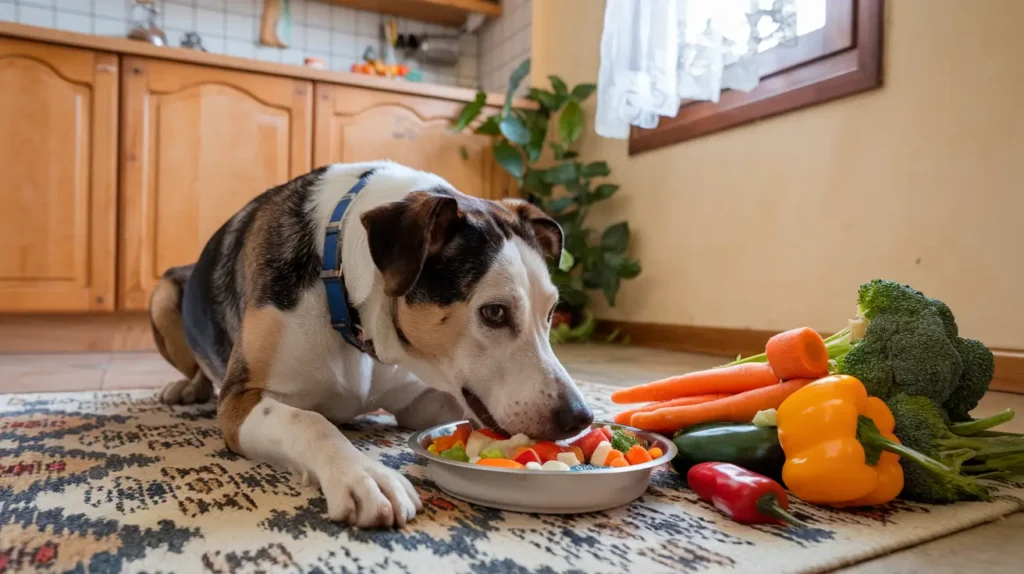
A balanced diet should have more than just high-quality protein. It should also have grains, fruits, and vegetables. Carrots, peas, spinach, and pumpkin are all vegetables that are high in fiber and vitamins. Fruits like apples and blueberries have natural sugars and antioxidants, but they should only be given in small amounts. Brown rice, oatmeal, and quinoa are all grains that give you energy and help your digestion. Fish oil, flaxseed oil, and coconut oil are all good sources of healthy fats that help the skin, coat, and brain work better. By including a variety of these foods, you can make sure your dog gets a balanced diet.

Things You Shouldn’t Eat

Some foods that people eat are bad for dogs and should never be given to them. Some of these are chocolate, grapes, raisins, onions, garlic, alcohol, caffeine, and fake sweeteners like xylitol. Even small amounts can make you throw up, have diarrhea, or have other serious health problems. Also, don’t feed your dog foods that are too processed or that are high in salt, sugar, or unhealthy fats. Before giving your pet a new food, always do some research on it.

Things to Keep in Mind for Puppies, Adults, and Seniors

Different stages of life need different ways of getting nutrition. To help them grow quickly and get the energy they need, puppies need diets high in protein and fat. To keep adult dogs healthy without making them gain weight, they need balanced maintenance diets. Senior dogs do better on diets that are low in calories but high in antioxidants, nutrients that help joints, and proteins that are easy to digest. Changing your dog’s diet as they get older will help them stay healthy for the rest of their life.

Keeping an eye on your dog’s health

Checking your dog’s weight, coat condition, and energy levels on a regular basis is an important part of making sure that a balanced diet is working. If you notice changes in your appetite, weight gain, or lack of energy, it could be because of an unhealthy diet or a health problem. Regular visits to the vet let you change your dog’s portions, switch up the food they eat, or add supplements to meet their specific needs. Seeing these signs early on makes sure your health stays good and keeps you from getting serious illnesses.

Extra things and supplements

A well-balanced diet usually gives dogs all the nutrients they need, but some dogs may benefit from supplements like fish oil, glucosamine, or probiotics. Omega-3 fatty acids are good for your skin and coat, glucosamine helps your joints work better, and probiotics help your digestion. Always give supplements with the help of a veterinarian to make sure they are safe and the right dose. It’s important to get professional advice because too much of a supplement can be bad for you.

How to Feed Your Body a Balanced Diet

Being consistent is important. Give your dog the same amount of food every day, and don’t give them too many treats. To get a wider range of nutrients, switch up your protein sources and add a variety of grains and vegetables. Pay attention to what your dog likes to eat and how much it eats, but don’t give in to begging. Making sure your dog eats a balanced diet will keep them healthy, active, and happy.

Questions and Answers

1. Is it okay to only give my dog homemade food?
Yes, but make sure the meals are full of nutrients. Ask a vet to help you make recipes that have all the nutrients your pet needs, like calcium and vitamins.
2. How can I tell if my dog is getting enough of the right foods?
A healthy weight, a shiny coat, steady energy levels, normal digestion, and general health are all signs of a balanced diet.
3. How often should I feed my dog?
When changing foods, it’s best to do it slowly. To avoid stomach problems, mix more and more new food with the old food over the course of 7 to 10 days.
4. Are treats bad for a healthy diet?
It’s okay to have treats once in a while. Pick healthy foods like small pieces of cooked meat, carrots, or store-bought treats that don’t have a lot of sugar or other chemicals.
5. Is it possible for dogs to be vegetarians?
Dogs are omnivores, but if you want to feed your dog a vegetarian diet, you need to plan it out carefully to make sure it gets enough protein and other important nutrients. Talk to a vet before trying a vegetarian diet.

In conclusion

It is very important for your dog’s health, happiness, and long life that they eat a balanced diet. You can make sure your dog is healthy at every stage of life by knowing what they need to eat, picking the right foods, and sticking to a regular feeding schedule. If you want to keep your dog healthy, energetic, and full of life, you should focus on balance and quality, whether you feed them high-quality store-bought food, homemade meals, or a mix of the two. You can give your dog the best nutrition and a happier, healthier life if you pay close attention.

The Ultimate Guide to Feeding Your Dog a Balanced Diet Read More »

10 Common Dog Health Problems Every Pet Owner Should Know

Caring for a dog is one of life’s greatest joys, but it also comes with responsibility. As pet owners, we all want our furry companions to live healthy, long, and happy lives. However, dogs can face a variety of health problems—some minor, others more serious. Understanding the most common health issues in dogs can help you detect warning signs early, treat them promptly and appropriately, and prevent complications. In this guide, we introduce the ten most common health problems every dog ​​owner should be aware of and provide practical tips to keep your beloved pet in top condition.

1. Obesity – A Hidden Threat to Health

Obesity is one of the most common, yet often overlooked, health problems in dogs. Overfeeding, lack of exercise, and unhealthy treats can all lead to excess weight. Just like in humans, obesity in dogs can cause serious health problems, such as diabetes, heart disease, arthritis, and a shorter lifespan.

To prevent obesity, follow your veterinarian’s advice and feed your dog a balanced diet, following strict feeding guidelines. Make sure your dog gets plenty of exercise every day—walks, playtime, and mental stimulation are all part of the process. Regular vet visits will help you monitor your dog’s weight and ensure he stays healthy.

2. Dental Problems – More Than Just Bad Breath

Dental problems are common in dogs, especially as they age. The buildup of plaque and tartar can lead to gum disease, cavities, and even infections that spread to other parts of the body. If your dog has bad breath, it’s often a sign of dental problems.

Brush your dog’s teeth regularly with a special toothbrush and toothpaste designed for pets. You can also give him chews and schedule an annual appointment with your veterinarian for a professional cleaning. Keeping your dog’s mouth clean not only prevents pain but also contributes to his overall health.

3. Ear Infections – A Painful but Preventable Problem

Ear infections are especially common in dogs with floppy ears or dogs that swim a lot. Ear infections can be caused by bacteria, yeast, allergies, or fluid buildup in the ear. Signs of an ear infection include scratching, head shaking, an unusual odor from the ear, or redness.

To prevent ear infections, clean your dog’s ears regularly with a veterinarian-approved cleaning solution and keep their ears dry after bathing or swimming. If you notice any symptoms, take your dog to the vet immediately to prevent chronic infections or hearing loss.

4. Fleas and Ticks – Small Parasites, Big Problems

Fleas and ticks are more than just annoying pests; they can cause serious health problems, such as anemia, Lyme disease, and skin allergies. Dogs that spend a lot of time outdoors are especially vulnerable.

Use veterinarian-recommended flea and tick prevention products and check your dog’s coat after walks or playing outside. If you find ticks, remove them thoroughly and immediately. Keeping your dog’s environment clean and brushing its coat regularly also help prevent parasites.

5. Allergies – Itching, Irritation, and Discomfort

Dogs, just like people, can have allergies. Common allergens include certain foods, pollen, dust mites, and flea bites. Symptoms can include itching, redness, ear infections, or digestive problems.

If your dog is constantly scratching or licking, consult your veterinarian. A veterinarian can perform an allergy test to determine the cause of the allergy and recommend an appropriate diet or medication. Feeding your dog a high-quality dog ​​food and keeping your home clean can also minimize allergic reactions.

6. Arthritis – Treating Joint Pain in Senior Dogs

As dogs age, many develop arthritis—a painful inflammatory condition in the joints that can affect their mobility and quality of life. Large breeds are particularly susceptible. Symptoms include stiff joints, lameness, and reluctance to climb stairs or jump.

While arthritis cannot be cured, it can be effectively treated. Regular, gentle exercise, weight management, and supplements with nutrients like glucosamine can help. Your veterinarian may also recommend pain medication or physical therapy.

7. Diabetes – A Growing Health Problem in Dogs

Diabetes in dogs means the body cannot produce insulin.

Heartworms are transmitted through mosquito bites and can be life-threatening if left untreated. These parasites grow in a dog’s heart and lungs, causing coughing, fatigue, and breathing problems.

Prevention is much easier and safer than cure. Your veterinarian can prescribe a monthly heartworm medication, and in most areas, it’s crucial to use it year-round. An annual checkup is recommended to detect an infection early.

8. Cancer – A Serious but Treatable Disease

Unfortunately, cancer is one of the leading causes of death in older dogs. Tumors can occur in various organs and tissues, and symptoms vary depending on the type of tumor. Look for lumps, changes in appetite, weight loss, or unusual behavior.

While cancer is frightening, not all types are fatal. Many cancers can be successfully treated with surgery, chemotherapy, or radiation therapy. Regular veterinary visits and early detection of cancer are crucial for a dog’s prognosis and quality of life.

Frequently Asked Questions (FAQ)

1. How often should I take my dog ​​to the vet?

Most dogs need to see their vet at least once a year for a checkup. Puppies, seniors, or dogs with chronic illnesses may need more frequent visits. Regular checkups help detect health problems early and prevent them from worsening.

2. What are the signs that my dog ​​is sick?

Common warning signs include changes in appetite, behavior, and mental state; vomiting; diarrhea; or the appearance of unusual lumps. If your dog shows any abnormalities, it’s best to consult a veterinarian immediately.

3. Can I prevent most dog health problems at home?

Yes, prevention is crucial. A balanced diet, regular exercise, good hygiene, and deworming can reduce the risk of common health problems.

4. How do I choose the best food for my dog’s health?

Choose a high-quality dog ​​food made with meat and without artificial additives. Consult your veterinarian for recommendations based on your dog’s age, breed, and activity level.

5. Are home remedies safe and effective for treating dog health problems?

Some minor health problems can be treated at home, but always consult a veterinarian before trying home remedies. Incorrect treatments can worsen your dog’s condition or delay proper treatment.

Conclusion

Understanding the most common dog health problems can help you become a more responsible and proactive pet owner. From a healthy diet and good oral hygiene to regular veterinary visits and preventative care, every step is crucial for your dog’s health. Remember, early detection and timely treatment are essential. Your furry friend depends on your love, care, and protection, so make sure they stay healthy and happy for many years to come.

10 Common Dog Health Problems Every Pet Owner Should Know Read More »

How to Choose the Right Dog Food Brand for Your Pet?

As a pet owner, one of the most important things you can do is choose the right brand of dog food. The food your dog eats has a direct effect on their health, energy, coat, and life span. There are so many choices on the market, like kibble, canned food, and specialty diets, that it can be hard to know which brand is best for your pet. To choose the right food for your dog, you need to know what kind of nutrients they need, how good the ingredients are, and what health issues they have. This guide will help you choose the best dog food brand for your pet by going over the most important things to think about.

Know What Your Dog Needs to Eat

Before picking a brand, you need to know what your dog’s nutritional needs are. Dogs need a diet that is balanced and has protein, fat, carbs, vitamins, and minerals. The best mix of nutrients for your dog depends on its age, breed, size, and level of activity. Puppies need more protein and fat to help them grow, while adult dogs need balanced diets to keep them healthy. Senior dogs do better on diets that are easier to digest, have fewer calories, and are high in nutrients that help their joints, like glucosamine. When you know what your dog needs to eat, you can narrow down your choices and make sure they get the best health benefits.

Look at the Ingredients

One of the most important things to look for in a dog food brand is the quality of its ingredients. The first ingredient in a food should be a high-quality protein source, like chicken, beef, lamb, or fish. Stay away from brands that use a lot of by-products, fillers, or fake ingredients. Fiber, vitamins, and antioxidants found in whole grains, vegetables, and fruits are good for your health. Healthy fats from fish oil or flaxseed are also important for skin and coat health. If you read the ingredient labels carefully, you can pick a brand that puts nutrition ahead of cheap fillers.

Think about the breed and the stage of life.

Different breeds and stages of life need different kinds of food. Puppy formulas have more protein and fat to help them grow, while senior formulas are made to be easier to digest and good for joints. To help their bones grow, large breeds may need foods with controlled amounts of calcium and phosphorus. Small breeds, on the other hand, often need smaller kibble sizes and foods that are high in calories. There are special formulas for certain health issues, like allergies, weight loss, or sensitive stomachs. When you choose a brand that makes formulas for specific breeds or life stages, you can be sure that your dog will get the nutrition they need.

Check the brand’s reputation

The reputation of a brand can tell you how safe, reliable, and high-quality a dog food product is. Look for brands that have a history of quality control, good reviews, and clear manufacturing processes. Certifications from groups like the Association of American Feed Control Officials (AAFCO) show that the food meets certain nutritional standards. To make sure the brand always has the same level of quality and safety, look at customer reviews or research recalls. Trusted brands spend money on research, high-quality ingredients, and strict testing to keep your dog healthy for a long time.

Think about your dog’s health issues.

If your dog has certain health problems, like allergies, a sensitive stomach, or joint pain, it’s important to choose a formula that is made just for them. Grain-free or hypoallergenic diets may help with digestive issues, while limited ingredient diets can help find allergens. Adding omega-3 fatty acids, glucosamine, or probiotics to your pet’s food can help their skin, coat, joints, and gut stay healthy. Talking to your vet before picking a brand will make sure that your dog’s diet meets their medical needs and gives them a balanced diet.

Look at the price and the value

Price shouldn’t be the only thing you look at, but it often shows how good the ingredients are and how trustworthy the brand is. Premium brands often use better proteins and nutrients, which makes them easier to digest and better for your health in general. Some cheaper options may use fillers and lower-quality ingredients, which could cause health problems over time. Think about how much money you’ll save in the long run by buying a good brand that takes care of your dog’s health, cuts down on vet visits, and gives them consistent nutrition. Always think about your dog’s needs and the cost and quality of things.

Look for openness and quality control

Good dog food brands are open about where they get their ingredients, how much nutrition they provide, and how they make their food. Find businesses that give you a lot of information on their packaging or website. Brands that do regular quality checks, follow safety rules, and give feeding instructions show that they care about the health of pets. You can also make smart choices and be sure that the food you choose is safe and has all the nutrients it needs.

Slowly add new foods

It’s important to slowly introduce a new brand of dog food to avoid upset stomachs. For a week, mix small amounts of the new food with the old food, slowly increasing the amount of new food. Watch your dog for signs of stomach problems, like diarrhea, vomiting, or not wanting to eat. A gradual change makes sure that your dog adjusts well and lowers the chances of bad reactions.

Questions and Answers

1. How can I tell if a brand of dog food is good?
The first thing to look for is a protein source. The second thing is to look for a product with few fillers, no artificial additives, AAFCO certification, and a good brand reputation.

2. Should I pick dog food based on the size or breed of my dog?
Yes. Many brands make formulas that are good for your dog’s health, digestion, and bone growth based on their size or stage of life.

3. Is it okay to change my dog’s food often?
Changes that happen often can upset the stomach. Slowly add new foods and only switch when you have to.

4. Are dog foods that cost a lot always better?
Not always, but high-end brands often use better ingredients and put their products through a lot of testing, which can be good for your dog’s long-term health.

5. What if my dog is allergic to food?
Talk to your vet about limited-ingredient or hypoallergenic diets to find and stay away from allergens while still getting all the nutrients you need.

Final Thoughts

Picking the right brand of dog food is very important for your pet’s health, life span, and quality of life. You can choose a brand that supports your dog’s best health by knowing what they need to eat, looking at the ingredients carefully, thinking about their age and breed, and talking to your vet. Put quality, openness, and consistency first to make sure your dog does well with every meal. Choosing dog food carefully not only makes your dog healthier, but it also strengthens your bond with them, making their life happier and healthier.

How to Choose the Right Dog Food Brand for Your Pet? Read More »

Top 10 Healthy Dog Treats You Can Make at Home

As a dog owner, nothing makes you happier than seeing your dog’s tail wag when you give them a treat. Commercial treats are easy to find, but they often have too many sugars, artificial ingredients, or preservatives that aren’t good for your dog’s health. Making healthy dog treats at home is a great way to make sure your dog gets snacks that are safe, tasty, and good for them. You can make treats at home that are just right for your dog’s allergies, dietary needs, and taste buds, all while keeping their diet balanced. In this guide, we’ll look at the top 10 healthy dog treats that are easy to make at home. We’ll also give you tips on how to make them safe, tasty, and fun for your dog.

1. Biscuits with peanut butter and bananas

Peanut butter and banana biscuits are a classic favorite that are full of natural protein and potassium. Using peanut butter without sugar or xylitol keeps you safe, and mashed bananas add fiber and natural sweetness. You can make dough by mixing oats, peanut butter, and banana together. Then, roll it out and cut it into small pieces. Bake until firm, then let cool completely before serving. These cookies are a healthy alternative to store-bought snacks because they give you energy and important nutrients.

2. Chewy Sweet Potatoes

Sweet potatoes are a great snack for dogs because they are high in fiber, vitamins, and antioxidants. Cut sweet potatoes into thin strips and bake them at a low temperature for a few hours. Let them cool, and you’ll have chewy, naturally sweet snacks. These chews are great for your dog’s teeth because they like to chew on them and get the health benefits of beta-carotene and complex carbohydrates. Sweet potato chews are also great for dogs who have allergies or stomachs that are easily upset.

3. Popsicles made of frozen yogurt

Frozen yogurt pops are a great way to keep your dog cool on hot days and give them probiotics that are good for their digestive health. Mix plain, unsweetened yogurt with dog-safe fruits like strawberries or blueberries. Pour the mixture into ice cube trays or silicone molds and freeze until solid. These pops are low in calories, taste great, and are a fun treat for dogs who like cool textures.

4. Bites of Chicken and Carrot

Lean chicken is a great source of protein, and carrots are full of vitamins and fiber. You can boil or steam chicken and then finely grate or chop carrots. To hold the mixture together and make small balls that are easy to eat, add some oat flour. Let cool after baking until golden brown. These bites are a great snack or reward for training because they are high in protein and nutrients.

5. Cookies with apples and cinnamon

Apples are a safe fruit for dogs to eat because they are high in fiber and vitamin C. With a little bit of cinnamon, apple cookies become a sweet, fragrant snack. Cut up or grate apples, mix them with whole wheat flour and an egg to make a dough, and bake it until it is firm. Don’t use seeds or cores because apple seeds have cyanide in them, which is bad for dogs. Apple cinnamon cookies are a healthy and tasty treat for small rewards or special events.

6. Treats made with pumpkin and oats

Pumpkin is a great source of fiber and beta-carotene, which helps keep your skin healthy and your digestion on track. To make dough, combine canned pumpkin puree, oats, an egg, and a little whole wheat flour. Roll into small shapes and bake until they are hard. These treats are especially good for dogs with sensitive stomachs because pumpkin is low in calories and fat and helps keep the stomach healthy.

7. Bites of Salmon and Sweet Potato

Omega-3 fatty acids, which are good for your coat and reduce inflammation, are found in salmon. You can make a healthy dough by mixing cooked, flaked salmon with mashed sweet potato and oat flour. Make small nuggets and bake them until they are golden. These bites are full of nutrients, make your coat shine, and are a tasty treat for even the pickiest eaters.

8. Bites of Spinach and Cheese

Cheese adds flavor and protein to spinach, which is full of vitamins, minerals, and antioxidants. To make dough, mix chopped spinach with shredded low-fat cheese, an egg, and whole wheat flour. Bake in small pieces until they are lightly golden. These snacks are great for your health, giving you energy, and making snack time fun without using processed foods.

9. Blueberry Muffin Goodies

Blueberries are a safe and healthy treat for dogs because they are full of antioxidants and taste sweet. To make a batter that looks like muffins, mix blueberries with oat flour, an egg, and a little bit of honey (optional and in moderation). Put in mini muffin pans and bake until done. These snacks are high in antioxidants, low in calories, and great for a treat every now and then or as a reward for training.

10. Bites of Coconut and Carrot

Carrots add fiber and vitamins, while coconut adds medium-chain triglycerides (MCTs) that are good for the brain and heart. To make dough, combine shredded coconut, finely grated carrots, a little oat flour, and an egg. Shape into small balls or shapes and bake until they are golden brown. Dogs can safely eat coconut and carrot bites in moderation. They are tasty and full of nutrients.

How to Make Dog Treats at Home

There are a few important things to remember when making treats at home:

Don’t use chocolate, grapes, raisins, onions, garlic, or xylitol in dog treats because they can be bad for them. Even small amounts of these can be poisonous.

Portion control: Your dog should get no more than 10% of its daily calories from treats. Too much food can cause obesity and stomach problems.

Storage: You can keep baked goods in an airtight container for up to a week, or you can freeze extras for later use.

Start slowly: Slowly add new treats to your diet to see if they cause allergies or stomach problems.

Questions and Answers

1. Can I make all of these dog treats for both puppies and adult dogs?
Yes, most recipes are safe for puppies, but make sure the treats are soft and cut into small pieces for young dogs.

2. Are treats you make at home better for you than ones you buy at the store?
You can control the ingredients in homemade treats, which means they have fewer additives, preservatives, and extra sugar. This makes them generally healthier than many store-bought options.

3. How often can I give my dog treats I made myself?
You should only give your dog treats in moderation, and they shouldn’t make up more than 10% of their daily calorie intake.

4. Is it okay for dogs to eat frozen treats every day?
Yes, as long as they are made with dog-safe ingredients and not too much of them. Frozen treats are great for keeping dogs cool in the summer.

5. Where should I keep homemade dog treats?
To keep treats fresh, put them in airtight containers in the fridge for up to a week or freeze them for longer-term storage.

In conclusion

Making healthy dog treats at home is a fun and rewarding way to show your love and give your dog healthy snacks. There are so many different treats you can make for your dog, like peanut butter biscuits, pumpkin bites, and blueberry muffins. You can also make each one to fit your dog’s tastes and dietary needs. Making your own treats not only makes sure they are safe and made with high-quality ingredients, but it also gives you a chance to spend time with your pet while you make them. You can make your dog happy and healthy by giving them tasty treats that are good for them if you follow simple recipes and don’t overdo it.

Top 10 Healthy Dog Treats You Can Make at Home Read More »

How to Prevent Fleas and Ticks Safely at Home?

Fleas and ticks aren’t just annoying for your dog; they can also cause serious health problems. These tiny parasites feed on your pet’s blood, transmit diseases, trigger allergic reactions, and cause your dog considerable discomfort. The good news is that there are many safe and natural ways to protect your furry friend without relying entirely on harsh chemicals. Whether your dog spends most of their time indoors or enjoys outdoor adventures, learning how to safely prevent fleas and ticks at home is essential for their health and happiness.

Understanding Fleas and Ticks

Before starting prevention, it’s crucial to understand what you’re dealing with. Fleas are small, fast-moving insects that reproduce rapidly in warm environments. A single female flea can lay hundreds of eggs, which accumulate in carpets, furniture, and bedding, continuing their life cycle. Ticks, on the other hand, attach to your dog’s skin and feed on their blood for days. They are often found in grassy areas, wooded areas, or damp locations. Both parasites can transmit diseases such as Lyme disease, tapeworm infection, and anemia. Prevention is therefore essential for your dog’s health.

Keep your home clean and vacuum regularly

One of the most effective ways to prevent fleas and ticks is to keep your home clean. Vacuum carpets, blankets, and furniture at least twice a week to remove flea eggs and larvae before they mature. Pay special attention to areas where your dog sleeps or plays. Wash your dog’s bed and blankets regularly with hot water to kill any pests hiding there. Regularly cleaning your home not only kills adult fleas but also disrupts their reproductive cycle. For extra protection, sprinkle baking soda or salt on carpets before vacuuming to help dry out flea eggs and larvae.

Use natural flea shampoo to bathe your dog

A clean dog is less likely to attract fleas and ticks. Regularly washing your dog with a mild, natural shampoo helps eliminate parasites. Choose shampoos with ingredients like lavender, eucalyptus, or neem oil. These oils are natural insect repellents and won’t irritate your dog’s skin. Avoid over-washing, as this can dry out your dog’s skin and strip away its natural oils. To enhance protection, you can make your own apple cider vinegar and water mixture to rinse your dog with—this helps repel fleas and ticks and keeps their coat shiny and clean.

Use natural sprays with essential oils

Essential oils are powerful remedies against fleas and ticks. Essential oils like lavender, peppermint, lemongrass, and cedarwood have natural insect repellent properties. Mix a few drops of essential oil with water in a spray bottle and gently spray it onto your dog’s coat, avoiding the eyes and nose. You can also spray this mixture around your dog’s bed, furniture, and door frames. However, always check before using essential oils that they are safe for your dog – some essential oils can be toxic if used incorrectly. If in doubt, consult your veterinarian about safe concentrations and the appropriate essential oils for your dog’s size and breed.

Maintain a healthy lawn and outdoor areas

A poorly maintained garden can easily become a breeding ground for fleas and ticks. Keep your lawn short, remove fallen leaves, and remove tall weeds where ticks like to hide. If your dog spends a lot of time outdoors, designate a clean play area and prevent them from roaming freely in densely wooded areas. You can use a natural garden cleaner based on diatomaceous earth – a non-toxic powder that kills fleas and ticks by dehydrating it. Sprinkle it around outdoor areas, especially near fences and in shady spots where your dog often lies.

Groom your dog regularly.

Regular grooming helps you detect fleas and ticks before they become serious problems. Brush your dog daily, especially after a walk or outdoor play. Use a fine-toothed flea comb to remove insects or eggs from the fur. If you find a tick, grasp it immediately with tweezers close to the skin and pull it straight out. Avoid twisting or pinching to prevent infection. Regular grooming not only keeps your dog’s coat healthy but also allows you to detect skin irritation or bites early.

Clean and disinfect your dog’s belongings.

Fleas and ticks easily hide in collars, harnesses, and toys. Wash these items regularly with warm, soapy water to remove parasites or eggs. Consider using a collar.

Owners often add small amounts of apple cider vinegar or garlic (within limits) to their dog’s diet to naturally repel fleas. Always consult your veterinarian before adding any new supplements or ingredients to your dog’s food.

Regular Veterinary Checkups

Even if your dog appears healthy, regular veterinary checkups are crucial for early detection of fleas, ticks, or related infections. Your veterinarian will recommend safe preventative treatments based on your dog’s breed, age, and lifestyle. They can also check for tick-borne diseases and inform you about seasonal risks in your area. Combining professional guidance with preventative care at home provides your dog with optimal protection year-round.

Rational Use of Flea and Tick Prevention Products

If natural methods are ineffective, you can use veterinarian-approved topical or oral flea prevention products. However, safe use of these products is paramount. Always read the label carefully, choose the correct dosage based on your dog’s weight, and never mix different treatments without consulting your veterinarian. Avoid using cat products on dogs, as some ingredients can be toxic to them. Using chemical medications responsibly and only when necessary helps strike a balance between effectiveness and safety.

Frequently Asked Questions

1. How do I know if my dog ​​has fleas or ticks?

You may notice your dog scratching excessively or seeing small black dots (flea dirt) on its skin. Ticks look like small black bumps attached to the skin, especially around the ears, neck, or between the toes.

2. Are natural remedies as effective as chemical treatments?

Natural remedies can be very effective if used consistently, especially for prevention. However, for severe infestations, chemical treatments may be necessary under veterinary supervision.

3. Can fleas and ticks infect humans?

Yes, fleas and ticks can bite humans and transmit certain diseases. Keeping your dog and home pest-free protects the health of your entire family.

4. How often should I bathe my dog ​​to prevent fleas?

Generally, a bath every two to four weeks is sufficient. Bathing too often can irritate a dog’s skin, so it’s best to use a natural shampoo and brush their coat regularly.

5. How can I safely remove ticks from my dog?

Hold the tick close to the dog’s skin with fine-tipped tweezers and gently pull it out. Then clean the area with disinfectant and wash your hands thoroughly.

Conclusion

The key to safely preventing fleas and ticks at home is consistency and awareness. Combining natural remedies with regular grooming and a clean environment can significantly reduce your dog’s risk of infection. Healthy habits—such as a balanced diet, regular vet visits, and the use of safe flea and tick treatments—can keep your pet comfortable and safe year-round. Remember, prevention is much easier and safer than dealing with fleas or ticks. With a little effort and care, your dog can enjoy a pest-free, happy, and healthy life.

How to Prevent Fleas and Ticks Safely at Home? Read More »

Grain-Free vs. Regular Dog Food: Which Is Better?

Choosing the right dog food is crucial for your dog’s health, vitality, and longevity. With a wide variety of dog foods available, it’s often difficult for pet owners to decide whether to feed their dog grain-free or conventional grain-based dog food. In recent years, the grain-free vs. conventional dog food debate has gained considerable attention, partly due to marketing claims and reports suggesting that grain-free diets can be detrimental to the health of some dogs. To make the best choice for your pet, you need to understand the pros and cons of both types of dog food, as well as the differences in their nutritional composition.

What exactly is grain-free dog food?

Grain-free dog food does not contain common grains such as corn, rice, wheat, or barley. This type of dog food typically uses other carbohydrate sources such as peas, lentils, potatoes, or chickpeas. Grain-free dog food is often marketed as being more digestible and helping to alleviate the symptoms of grain allergies or intolerances in dogs. Many pet owners believe that grain-free dog food is closer to their dog’s traditional diet, focusing on high protein and low carbohydrates.

What is conventional dog food?

Grain-based dog food, also called conventional dog food, contains grains such as rice, wheat, barley, and oats. These grains are rich in fiber, carbohydrates, and other essential nutrients. High-quality grains provide energy, promote healthy digestion, and are part of a balanced diet. Some people think grains are harmful to dogs, but most dogs can digest them without any problems. Grains themselves are not harmful to dogs. There are many different types of conventional dog food on the market, tailored to different health conditions, life stages, and body sizes.

Benefits of Grain-Free Dog Food

Some dogs, especially those known to be allergic or intolerant to grains, may benefit more from a grain-free diet. A grain-free diet can help reduce digestive problems in dogs with food intolerances, improve skin and coat condition, and reduce inflammation. Grain-free food also typically contains more protein, which helps with muscle growth and maintaining a stable weight. Some owners prefer grain-free food because it contains fewer fillers and has a more “natural” or premium look.

Benefits of Regular Dog Food

The balanced ratio of protein, fat, carbohydrates, vitamins, and minerals in regular dog food ensures a balanced diet for dogs. Grains are a good source of nutrients such as B vitamins, fiber, and energy, and contribute to a healthy digestive system and stable energy levels. Most dogs can eat regular dog food without any problems. Furthermore, regular dog food is more cost-effective than grain-free food. A well-designed, grain-rich diet meets established nutritional guidelines and contributes to a dog’s overall health without eliminating grains completely.

Potential Risks of Grain-Free Diets

Most dogs can safely eat grain-free dog food, but recent research has raised concerns about a possible link between certain grain-free diets and canine dilated cardiomyopathy (DCM, a heart condition). Some grain-free dog foods, especially those that use legumes as a carbohydrate substitute, can affect the body’s metabolism of taurine. Taurine is essential for heart health. This risk is not present with all grain-free dog foods, but owners should exercise caution and consult a veterinarian before changing their dog’s formula. Regular heart checks and purchasing only reputable brands can reduce the risk.

Who is grain-free dog food suitable for?

Dogs with a grain allergy or intolerance should eat a grain-free dog food. People with grain sensitivities may experience chronic digestive problems, itchy skin, or recurring ear infections. In these cases, reducing grain intake and increasing other carbohydrate sources can improve health. Most dogs do not require a grain-free diet, and feeding a grain-free diet without consulting a veterinarian may not be very beneficial.

Factors to consider when choosing dog food

When choosing dog food, consider your dog’s age, breed, size, and activity level. Puppies, seniors, and large breeds have different dietary needs.

Health issues: Dogs with allergies, sensitive stomachs, or other health issues may be better suited to a special diet.

Ingredient quality: Whether you choose grain-free or regular dog food, make sure

3. A dog diagnosed with a grain allergy. Grain-free dog food does not prevent allergic reactions in non-allergic dogs.

4. Is grain-free dog food better for all dogs?

Not necessarily. Some dogs with a grain allergy or intolerance thrive on a grain-free diet, but most dogs thrive on regular dog food.

5. How can I safely transition my dog ​​to grain-free dog food?

To prevent gastrointestinal upset, it’s best to transition to grain-free dog food gradually over 7-10 days. Mix the new food with the old food and gradually increase the ratio of the new food.

6. Is grain-free dog food harmful to a dog’s heart?

Recent studies suggest that certain grain-free dog foods may be linked to dilated cardiomyopathy (DCM) in some dogs. Always consult your veterinarian and choose a reputable brand.

In short,

You need to understand your dog’s specific needs, health status, and nutritional requirements before choosing between grain-free and regular dog food. Dogs with grain allergies or sensitive stomachs may be better off with a grain-free diet. Most dogs can get all the nutrients they need from regular dog food. It’s best to use high-quality ingredients, consult a veterinarian, and closely monitor your dog’s health. By choosing the right food and avoiding unnecessary dietary risks, your pet will stay healthy, energetic, and happy.

Grain-Free vs. Regular Dog Food: Which Is Better? Read More »