
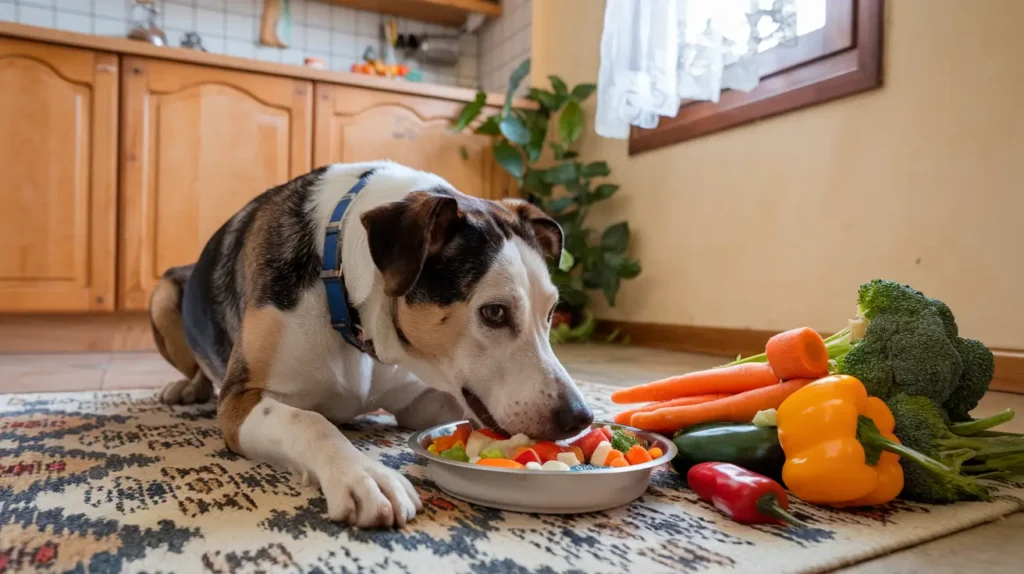
One of the most important things you can do as a pet owner is to feed your dog the right food. A balanced diet gives your pet all the vitamins and minerals they need to stay healthy, active, and happy for the rest of their life. Like people, dogs need a careful mix of proteins, fats, carbohydrates, vitamins, and minerals to stay healthy. Choosing the right foods and feeding habits can keep you from getting fat, having digestive problems, and having health problems that last a long time. This complete guide will teach you everything you need to know about giving your dog a balanced diet, from the nutrients they need to how to feed them.
Knowing what your dog needs to eat
A healthy diet for dogs has protein, fat, carbs, fiber, vitamins, and minerals. Meat, fish, or eggs are good sources of protein, which is important for muscle growth, tissue repair, and the body’s overall health. Fats give you energy, help your skin and coat look good, and help your brain work. Carbohydrates give you energy and help you digest food, while fiber keeps your gut healthy. Vitamins and minerals are important for the health of your bones, your immune system, and your organs. It’s important to adjust your dog’s diet based on their age, size, breed, and level of activity because the amounts of these nutrients can change.
Picking the Right Kind of Dog Food
When it comes to dog food, you can choose from commercial dry kibble, canned food, raw diets, or meals you make yourself. High-quality commercial dog foods are made to give dogs a balanced diet and are easy for busy owners to use. Look for dog food that has real meat as the first ingredient, no artificial fillers, and a full range of nutrients that are right for your dog’s age. You can control what goes into homemade meals and make them safe for people with allergies or sensitivities. Raw diets can give you natural nutrients, but you have to be careful with them so they don’t get contaminated with bacteria. Before you pick a diet for your dog, talk to your vet to make sure it’s the right one for them.
Control of Portions and Feeding Times
It’s very important for your dog’s health that you give them the right amount of food. If you feed your dog too much, it could get fat. If you don’t feed it enough, it could get sick. Most dog food packages tell you how much to feed your dog based on its weight and level of activity, but you may need to change the amount you feed your dog based on its metabolism and energy needs. Adult dogs usually do well with two meals a day, but puppies usually need to eat three to four times a day. To help with digestion and keep a healthy weight, older dogs may need smaller, more frequent meals. Setting a regular feeding schedule helps keep digestion on track and stops begging or eating too much.
It is important to stay hydrated.
A balanced diet needs a lot of water. To stay hydrated, help with digestion, and keep their body temperature stable, dogs need to always have access to clean, fresh water. If you don’t drink enough water, you could get kidney problems or urinary tract infections. Give your dog water all the time, but especially after they play or when it’s hot outside. Adding wet food to their diet can also help them stay hydrated, but it shouldn’t be their only source of clean drinking water.
Foods That Should Be Part of a Healthy Diet
A balanced diet should have more than just high-quality protein. It should also have grains, fruits, and vegetables. Carrots, peas, spinach, and pumpkin are all vegetables that are high in fiber and vitamins. Fruits like apples and blueberries have natural sugars and antioxidants, but they should only be given in small amounts. Brown rice, oatmeal, and quinoa are all grains that give you energy and help your digestion. Fish oil, flaxseed oil, and coconut oil are all good sources of healthy fats that help the skin, coat, and brain work better. By including a variety of these foods, you can make sure your dog gets a balanced diet.
Things You Shouldn’t Eat
Some foods that people eat are bad for dogs and should never be given to them. Some of these are chocolate, grapes, raisins, onions, garlic, alcohol, caffeine, and fake sweeteners like xylitol. Even small amounts can make you throw up, have diarrhea, or have other serious health problems. Also, don’t feed your dog foods that are too processed or that are high in salt, sugar, or unhealthy fats. Before giving your pet a new food, always do some research on it.
Things to Keep in Mind for Puppies, Adults, and Seniors
Different stages of life need different ways of getting nutrition. To help them grow quickly and get the energy they need, puppies need diets high in protein and fat. To keep adult dogs healthy without making them gain weight, they need balanced maintenance diets. Senior dogs do better on diets that are low in calories but high in antioxidants, nutrients that help joints, and proteins that are easy to digest. Changing your dog’s diet as they get older will help them stay healthy for the rest of their life.
Keeping an eye on your dog’s health
Checking your dog’s weight, coat condition, and energy levels on a regular basis is an important part of making sure that a balanced diet is working. If you notice changes in your appetite, weight gain, or lack of energy, it could be because of an unhealthy diet or a health problem. Regular visits to the vet let you change your dog’s portions, switch up the food they eat, or add supplements to meet their specific needs. Seeing these signs early on makes sure your health stays good and keeps you from getting serious illnesses.
Extra things and supplements
A well-balanced diet usually gives dogs all the nutrients they need, but some dogs may benefit from supplements like fish oil, glucosamine, or probiotics. Omega-3 fatty acids are good for your skin and coat, glucosamine helps your joints work better, and probiotics help your digestion. Always give supplements with the help of a veterinarian to make sure they are safe and the right dose. It’s important to get professional advice because too much of a supplement can be bad for you.
How to Feed Your Body a Balanced Diet
Being consistent is important. Give your dog the same amount of food every day, and don’t give them too many treats. To get a wider range of nutrients, switch up your protein sources and add a variety of grains and vegetables. Pay attention to what your dog likes to eat and how much it eats, but don’t give in to begging. Making sure your dog eats a balanced diet will keep them healthy, active, and happy.
Questions and Answers
1. Is it okay to only give my dog homemade food?
Yes, but make sure the meals are full of nutrients. Ask a vet to help you make recipes that have all the nutrients your pet needs, like calcium and vitamins.
2. How can I tell if my dog is getting enough of the right foods?
A healthy weight, a shiny coat, steady energy levels, normal digestion, and general health are all signs of a balanced diet.
3. How often should I feed my dog?
When changing foods, it’s best to do it slowly. To avoid stomach problems, mix more and more new food with the old food over the course of 7 to 10 days.
4. Are treats bad for a healthy diet?
It’s okay to have treats once in a while. Pick healthy foods like small pieces of cooked meat, carrots, or store-bought treats that don’t have a lot of sugar or other chemicals.
5. Is it possible for dogs to be vegetarians?
Dogs are omnivores, but if you want to feed your dog a vegetarian diet, you need to plan it out carefully to make sure it gets enough protein and other important nutrients. Talk to a vet before trying a vegetarian diet.
In conclusion
It is very important for your dog’s health, happiness, and long life that they eat a balanced diet. You can make sure your dog is healthy at every stage of life by knowing what they need to eat, picking the right foods, and sticking to a regular feeding schedule. If you want to keep your dog healthy, energetic, and full of life, you should focus on balance and quality, whether you feed them high-quality store-bought food, homemade meals, or a mix of the two. You can give your dog the best nutrition and a happier, healthier life if you pay close attention.