
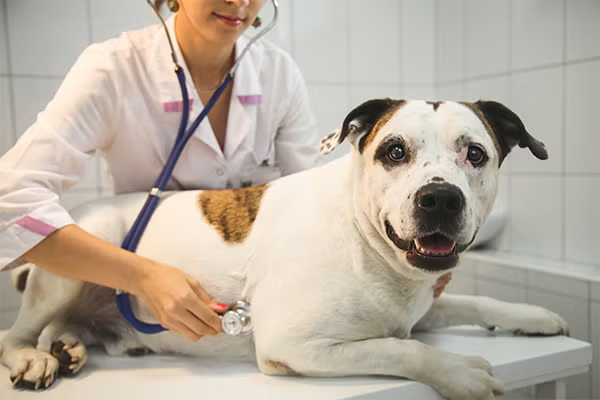
Every pet owner wants their beloved dog to live a healthy, long, and happy life. However, many people overlook a crucial aspect of responsible dog ownership: regular veterinary checkups. Just as people need regular vet visits to maintain their health, dogs require ongoing veterinary care to detect, prevent, and treat health problems before they become serious. Even if your dog appears perfectly healthy, some underlying problems can develop unnoticed over time. Regular checkups ensure your dog is in optimal condition and detect potential problems early.
Early Detection of Health Problems
Dogs are very good at hiding discomfort and pain. By the time you notice obvious symptoms, the problem may already be more serious. Regular veterinary checkups can detect potential health problems early through physical examinations, laboratory tests, and screenings. Diseases such as diabetes, heart disease, arthritis, and certain types of cancer can often be detected early, when treatment is most effective. Early intervention not only prevents your dog from suffering unnecessary pain but also saves you expensive emergency care later.
Preventive Care and Vaccinations
Prevention is better than cure. Regular veterinary visits ensure your dog receives the necessary vaccinations and prevents serious diseases such as rabies, distemper, parvovirus, and leptospirosis. Your veterinarian will develop a vaccination schedule based on your dog’s age, breed, and lifestyle. In addition to vaccinations, regular preventive treatment against fleas, ticks, and parasites is crucial to protect your dog from parasites and prevent serious health problems. Regular preventive care keeps your dog’s immune system strong and protects them from common but dangerous diseases year-round.
Monitoring Weight and Nutrition
Maintaining a healthy weight is essential for your dog’s overall health. Obesity is one of the most common health problems in pets and leads to diabetes, joint problems, and heart disease. During your visit, your veterinarian will closely monitor your dog’s weight and overall condition. Your veterinarian can determine whether your dog is a healthy weight and provide nutritional advice based on age, activity level, and breed. They can also recommend a balanced diet, appropriate portion sizes, and appropriate supplements to keep your dog healthy and active.
Dental Health Assessment
Pet owners often neglect dental care, but it’s essential for your dog’s overall health. Bad breath, gingivitis, and tartar are more than just oral problems; they can cause infections to spread to vital organs like the heart, liver, and kidneys. During a regular veterinary checkup, your veterinarian will examine your dog’s teeth and gums for signs of cavities or other diseases. Your veterinarian can perform a professional dental cleaning and instruct you on how to maintain your dog’s oral hygiene at home. Healthy teeth lead to a healthier, happier dog and a longer lifespan.
Parasite Control and Prevention
Fleas, ticks, and worms may seem like a minor inconvenience, but they can cause serious damage if left untreated. Regular veterinary visits allow your dog to be assessed for parasite infection and to recommend safe and effective preventive measures. Internal parasites such as roundworms and hookworms can cause anemia and digestive problems, while ticks and fleas can transmit diseases. Regular checkups ensure your dog is protected before infections become serious. Furthermore, your veterinarian can develop a personalized preventive plan based on your dog’s environment, habits, and exposure risks.
Caring for Senior Dogs and Age-Related Changes
As dogs age, their health needs change significantly. Senior dogs are more susceptible to conditions such as arthritis, diabetes, vision loss, and heart disease. Regular veterinary visits are especially important in later life to ensure early diagnosis and proper treatment of age-related health problems. Your veterinarian may recommend blood tests, X-rays, or a special diet for senior dogs. Regular checkups help your dog stay comfortable and active for as long as possible, so you and your pet can enjoy more of your precious time together.
Understanding your dog’s medical history and personality allows your veterinarian to better detect subtle changes and provide personalized care. This trusting relationship also helps reduce your dog’s anxiety during visits, as the environment and staff become familiar. A veterinarian who truly understands your dog’s needs provides better medical advice, more accurate diagnoses, and gives you peace of mind as a pet owner.
The Economic Benefits of Regular Checkups
Some may think that fewer vet visits save money, but in reality, preventative care is much less expensive than emergency treatments. Early detection means lower medical costs and less expensive surgery in the future. Vaccinations, parasite control, and early screening can prevent serious illnesses that may require hospitalization or surgery. Consider regular vet visits an investment in your dog’s long-term health and well-being—ultimately saving you both time and money.
Keeping Vaccination and Health Records Up-to-Date
Another important benefit of regular vet visits is keeping your dog’s medical records up-to-date. This information is crucial for boarding, travel, and emergencies. It helps keep track of your dog’s vaccinations, allergies, medications, and medical history, ensuring safe and effective future treatments. Up-to-date health records also allow your new veterinarian to monitor your dog’s health when you move or change clinics. Organized health records ensure your pet receives continuous professional care, wherever they are.
Frequently Asked Questions
1. How often should I take my dog to the vet?
Puppies should be checked every few weeks for vaccinations and early care. Adult dogs typically need at least one checkup per year, while older dogs may need to be checked every six months for age-related health issues.
2. What does a routine checkup entail?
A typical checkup includes a physical examination, weight and temperature checks, dental checkups, and sometimes lab tests or vaccinations. Your veterinarian can also discuss diet, behavior, and preventative care with you.
3. My dog seems healthy – does he still need regular vet visits?
Yes, even healthy dogs need regular checkups. Many health problems develop silently, with obvious symptoms only appearing when the condition becomes serious. Regular vet visits help detect problems early.
4. Is annual vaccination really necessary?
Yes, vaccinations can prevent serious and even fatal diseases. Your veterinarian will develop an appropriate vaccination schedule based on your dog’s age, lifestyle, and risk level.
5. How can you reduce stress for your dog at the vet?
Bring treats, talk calmly to your dog, and reward him after each visit. Taking your dog to the clinic regularly for weigh-ins or greetings helps him adjust gradually.
Conclusion
Regular vet visits are a responsible obligation for any pet owner and an important factor in your dog’s health, even for the rest of his life. From early disease detection and prevention to advice on nutrition, dental care, and behavior, your veterinarian is your best partner for your dog’s happy and healthy growth. Skipping occasional checkups can save time, but in the long run, it can cost you more—not only financially but also detrimental to your dog’s health. Taking your dog to the vet regularly is the best gift you can give your furry friend: a healthier, longer, and happier life with you.