Best Dog Sites

Generic selectors
Exact matches only
Search in title
Search in content
Post Type Selectors

Dog Health & Care

Safe Human Foods That Dogs Can Eat in Moderation

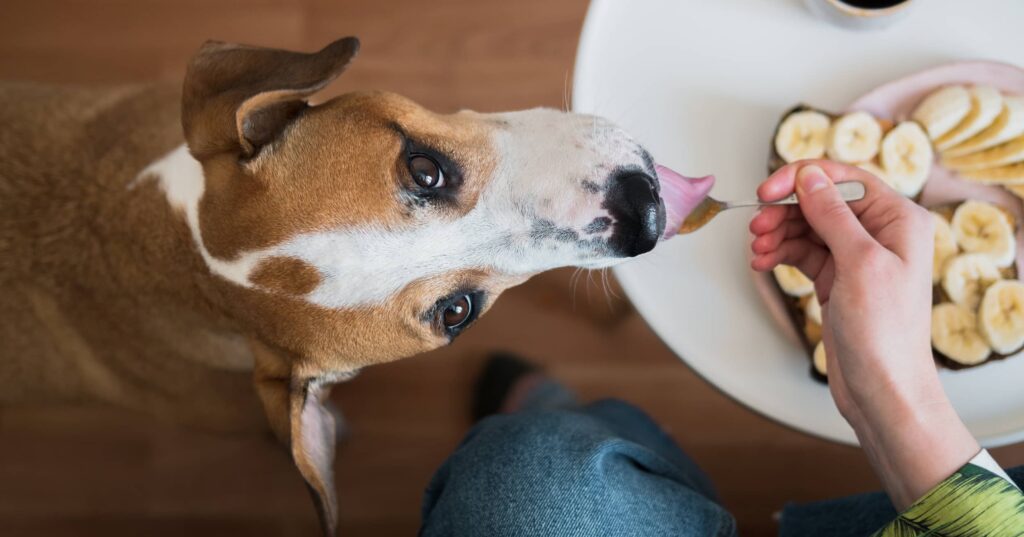
It’s normal for a dog owner who loves their pet to want to share their food with them. Some foods that people eat are bad for dogs, but most foods that people eat every day are fine in small amounts. Sharing these safe treats with your dog not only lets them try new flavors, but it also adds healthy nutrients to their diet. To keep your dog healthy and happy, you need to know which foods are safe, how to serve them, and how much to give them. This guide talks about different types of human food that dogs can safely eat in small amounts, as well as how to do so in a responsible way.

Safe Fruits for Dogs

Fruits are full of vitamins, minerals, and antioxidants that help your dog’s immune system, digestion, and health in general. For instance, apples are a great source of vitamin C and fiber. Always take out the seeds and core before giving them to your pet. Apple seeds have small amounts of cyanide in them, which can be bad for them. Blueberries are a great low-calorie snack because they are full of antioxidants. Bananas are a good source of potassium and fiber, but you shouldn’t give them too much because they have a lot of sugar. Strawberries, watermelon (without seeds or rind), and pears (without seeds) are also good and safe choices. Moderation is key to avoiding stomach problems or too much sugar.

Dogs Can Eat These Vegetables

Not only are many vegetables safe for your dog, but they are also good for their health. Carrots are a crunchy, low-calorie snack that is good for your teeth and gives you vitamin A. Green beans are high in fiber, which can help dogs feel full without adding a lot of calories. Sweet potatoes are a good source of fiber, beta-carotene, and complex carbohydrates. Cucumbers and zucchini are great summer snacks because they are low in calories and keep you hydrated. Always wash vegetables well, take off any stems or seeds, and serve them plain, without any oils, sauces, or seasonings.

Proteins That Can Be Shared

Lean, cooked meats can be a healthy addition to your dog’s diet. Skinless and boneless chicken, turkey, or lean beef are all great sources of protein and amino acids that your muscles need to stay healthy. Fish like salmon and sardines are good for your coat and skin because they have omega-3 fatty acids. When cooked all the way through, eggs are a full source of protein and important nutrients like vitamin D and choline. Don’t give your pets raw meat, fish, or eggs because they could get sick from bacteria. Also, always take out any bones so that no one chokes or hurts their intestines.

A Little Bit of Dairy

Some dogs can handle dairy products, which are good sources of protein and calcium. Plain yogurt, especially kinds with live cultures, can help your gut and digestion. You can use small amounts of cheese as a treat now and then or to hide medicine. But a lot of dogs can’t handle lactose, so watch out for signs like gas or diarrhea. To make sure your dog can handle dairy, always give it to them in small amounts and slowly. Stay away from flavored or sweetened dairy products because they often have sugar or other chemicals that are bad for dogs.

Carbs and grains

Some cooked grains and starchy foods are safe to eat in small amounts. Many people recommend plain rice and oatmeal for dogs who have upset stomachs because they are easy on their stomachs. Quinoa is a good source of protein, fiber, and important amino acids. It’s okay to have small amounts of whole-grain bread or pasta as a treat from time to time, but stay away from processed kinds that have added sugar, salt, or artificial ingredients. To keep a healthy weight and avoid eating too many calories, moderation is key.

Things to think about are nuts and seeds.

Some nuts are safe for dogs to eat in small amounts, but many are not. Raw, unsalted peanuts (not peanut butter with xylitol) are usually safe and are a good source of healthy fats and protein. Sunflower seeds that don’t have shells are another healthy choice. Never give macadamia nuts, almonds in large amounts, or salted and flavored nuts to your dog. These can be very bad for their health. You should always give nuts in small amounts and slowly because they are high in fat and can cause pancreatitis if you eat too many of them.

Things to Stay Away From

Some human foods are very bad for dogs, even when they are shared. Never feed your dog chocolate, grapes, raisins, onions, garlic, caffeine, alcohol, xylitol, or fake sweeteners. These foods can make you throw up, have diarrhea, or even kill you. Before giving your pet a new food, always do some research on it. If you’re not sure if an ingredient is safe, talk to your vet.

How to Safely Feed People Food

When giving your dog human food, you need to be careful and only give them a little bit at a time. To keep from choking, cut food into small pieces. Don’t add salt, sugar, spices, or sauces. Start giving your dog new foods slowly and watch for any digestive problems. To keep your dog’s diet balanced, treats, even healthy ones, should make up no more than 10% of their daily calories. Adding safe human foods to your dog’s regular diet from time to time can be a good way to add variety without replacing dog food that is complete in nutrients.

Questions and Answers

1. Is it okay to give my dog fruits and veggies every day?
Yes, but only in small amounts. Fruits and vegetables should only make up 10% of your dog’s daily calories and should not be the main part of their diet.
2. Is it safe for dogs to eat all nuts?
No. Some nuts, like unsalted peanuts and sunflower seeds, are safe. Don’t eat macadamia nuts, walnuts, or any salted or flavored kinds.
3. Is it okay for dogs to eat cooked grains like rice or quinoa every day?
You can give your dog plain, cooked grains every now and then as part of a healthy diet. Don’t add any sauces or seasonings.
4. How do I give my dog new foods for people?
Give your dog small amounts of food at first and watch for signs of digestive problems like vomiting or diarrhea. Add one new food at a time.
5. Is it safe for all dogs to eat dairy?
Some dogs can’t handle dairy. Start with small amounts of plain yogurt or cheese and watch for any signs that you can’t handle lactose.

Final Thoughts

Giving your dog safe human foods can be a fun way to add variety and nutrition to their diet. Fruits, vegetables, lean proteins, some grains, and small amounts of dairy or safe nuts are all good sources of vitamins, minerals, and other nutrients. To make sure your dog can safely enjoy these treats, you need to be careful about how you prepare them and know which foods are toxic. You can improve your dog’s diet, support their health, and make mealtime more fun for both of you by responsibly adding these human foods to their diet.

Safe Human Foods That Dogs Can Eat in Moderation Read More »

Simple Home Remedies for Minor Dog Skin Issues

Every pet owner knows the heartbreaking feeling of seeing their beloved dog scratch, lick, or bite their skin. Just like people, dogs suffer from minor skin problems—dryness, itching, redness, or minor rashes are common. While serious skin problems require a visit to the vet, many minor skin irritations can be safely and effectively relieved at home with a number of natural remedies. Understanding how to properly soothe your dog’s skin can quickly alleviate discomfort and prevent the problem from worsening. This guide introduces some simple, safe, and effective home remedies to help your pet feel comfortable again.

Common Causes of Minor Skin Problems in Dogs

Before trying different remedies, it’s crucial to understand the possible causes of skin problems in your dog. Common causes include allergies, dry weather, poor diet, insect bites, minor bacterial infections, or reactions to grooming products. Dogs with sensitive skin can also have allergic reactions to grass, dust, or pollen. Understanding the cause will help you treat the problem effectively and prevent recurrence. Be sure to observe your dog’s environment and habits – this can help you identify clues to skin problems.

Oatmeal Baths for Itchy Skin

Using oatmeal baths to soothe your dog’s irritated skin is one of the gentlest and most effective methods. Oatmeal has natural anti-inflammatory and moisturizing properties that can relieve itching and redness. Directions: Grind plain, unsweetened oatmeal into a fine powder, add it to warm water, and stir well. Soak your dog for 10 to 15 minutes, massaging gently to work the oatmeal water into their coat. Rinse thoroughly and dry your dog with a soft towel. Regular oatmeal baths not only relieve itching but also leave your dog’s coat soft and clean, free of irritating chemicals.

Coconut Oil Relieves Dry Skin or Flaking

Coconut oil is a popular natural moisturizer suitable for both humans and pets. Coconut oil, rich in fatty acids, helps nourish the skin, reduce dryness, and improve the coat’s shine. Warm a small amount of coconut oil in your palm and gently massage it into your dog’s affected skin. You can also add a teaspoon of coconut oil to your dog’s food daily to promote healthy skin from the inside out. Coconut oil has mild antibacterial and antifungal properties, making it particularly suitable for soothing minor skin irritations or dry skin.

Aloe vera for treating hot spots and redness

Aloe vera is known for its soothing and healing properties. It is especially effective for minor burns, insect bites, and hot spots on a dog’s skin. Always use pure, natural aloe vera gel—free of alcohol and additives—as these ingredients can irritate your pet’s skin. Apply a thin layer to the affected area and allow it to absorb naturally. The cooling sensation helps reduce inflammation and provides immediate relief from itching. Don’t let your dog lick the gel, as large amounts can cause gastrointestinal upset.

Apple Cider Vinegar Spray for Itch Relief

Apple cider vinegar is another natural remedy for mild skin irritations, thanks to its antibacterial and antifungal properties. Mix equal parts raw, filtered apple cider vinegar and water in a spray bottle. Gently spray the solution onto itchy or irritated areas. Avoid open wounds or broken skin, as these can cause a stinging sensation. This mixture helps balance the pH of your dog’s skin, inhibits bacterial growth, and relieves itching. To prevent skin problems, you can also lightly mist your dog’s coat once a week to keep the skin healthy and odor-free.

Chamomile Tea Rinse for Soothing Irritation

Chamomile isn’t just for humans; it works wonders for dogs, too. The natural anti-inflammatory and antibacterial properties of chamomile tea can soothe red or irritated skin. Brew a few chamomile tea bags, let them cool completely, and pour the tea over your dog’s coat after bathing. You can also soak a clean cloth in the tea and gently wipe the affected areas. Regular rinsing with chamomile tea helps relieve itching, reduce inflammation, and relax your dog.

Vitamin E Oil: Restores and Hydrates

Vitamin E is known for its skin-healing properties, and small amounts are safe for dogs. Apply a few drops of vitamin E oil directly to dry, flaky, or irritated skin and massage in gently. The difference is significant. Hydration is equally important: make sure your dog always has access to fresh, clean water to prevent dry skin.

Regular Brushing and Cleaning

Keeping your dog clean and groomed is one of the easiest ways to prevent skin problems. Regular brushing removes dead hair, dirt, and allergens that can cause irritation. Use a gentle, pet-safe shampoo and avoid products with harsh chemicals or artificial fragrances. Frequent bathing removes the skin’s natural oils, so limit bathing to once every few weeks unless otherwise advised. Clean your dog’s bed and vacuum regularly to reduce allergens that can cause skin inflammation.

When to Consult a Veterinarian

While home remedies can be effective for mild skin problems, persistent or severe skin conditions require professional treatment. If you notice bleeding, swelling, hair loss, pus, or pain, schedule an appointment with your veterinarian immediately. Skin problems can sometimes be a sign of underlying conditions such as allergies, infections, or autoimmune diseases. Your veterinarian can accurately diagnose the cause and recommend appropriate treatment to ensure your dog’s long-term comfort, health, and well-being.

Frequently Asked Questions

1. Can I use human skincare products on my dog?

No. Human creams, lotions, or shampoos often contain chemicals and fragrances that can irritate a dog’s skin. Always use products specifically designed for pets or veterinarian-approved natural alternatives.

2. How often can I apply coconut oil to my dog?

You can apply a small amount of coconut oil daily to dry or irritated areas. Add it to your dog’s food—no more than one teaspoon per day for small dogs and no more than one tablespoon per day for large dogs.

3. Is apple cider vinegar safe for all dogs?

Yes, but it must be diluted with water before use. Do not apply it to open wounds or very sensitive skin. Discontinue use immediately if your dog exhibits an allergic reaction or discomfort.

4. Can a poor diet cause skin problems in dogs?

Absolutely. Nutritional deficiencies or poor-quality food can lead to dry, itchy skin and even hair loss. A balanced and nutritious diet is essential for maintaining healthy skin.

5. How long should I try home remedies before visiting the vet?

If there is no improvement within a week or the symptoms worsen, consult a veterinarian. Early professional treatment can prevent minor problems from becoming serious.

Conclusion

Minor skin problems in dogs are common and can often be treated with simple, safe home remedies. Natural remedies like oatmeal baths, coconut oil, and aloe vera can relieve discomfort while maintaining the overall health of your dog’s skin. However, good hygiene, a balanced diet, and regular grooming are just as important for prevention. Always pay attention to changes in your dog’s skin or behavior—these are early signs that could be causing problems. While home care can be important, never hesitate to consult a veterinarian if necessary. With consistent care, your dog can enjoy healthy, itchy skin and a happier, more comfortable life.

Simple Home Remedies for Minor Dog Skin Issues Read More »

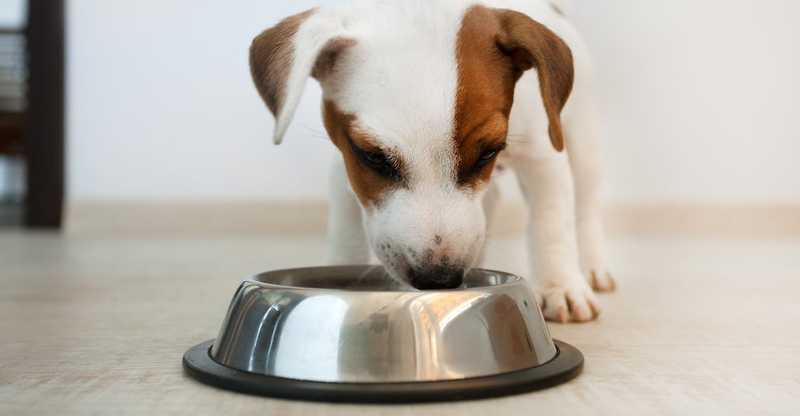
Puppy Feeding Schedule: How Much and How Often to Feed

Feeding a puppy properly is one of the most important steps in ensuring they grow into a healthy, happy, and energetic adult dog. Puppies have unique nutritional needs because they are growing rapidly, developing strong bones and muscles, and building their immune systems. Unlike adult dogs, puppies require smaller, more frequent meals throughout the day to maintain steady energy levels and proper digestion. Understanding how much and how often to feed your puppy can prevent underfeeding, overfeeding, and nutritional imbalances. This guide provides a comprehensive approach to creating an effective puppy feeding schedule tailored to your pet’s needs.

Why a Feeding Schedule Matters

A consistent feeding schedule establishes structure in your puppy’s daily routine. Puppies thrive on predictability, and scheduled meals help regulate their digestion, reduce accidents in the house, and prevent overeating. Feeding at set times also allows you to monitor your puppy’s appetite, weight gain, and overall health. An organized schedule ensures your puppy receives the nutrients they need at the right times, supporting healthy growth and development.

How Much to Feed Your Puppy

The amount of food a puppy needs depends on their breed, age, weight, and activity level. Puppies have higher caloric and protein requirements than adult dogs because they are growing rapidly. Most commercial puppy foods provide feeding guidelines based on weight and age, which serve as a helpful starting point. Generally, small-breed puppies require more calories per pound than large-breed puppies. Monitor your puppy’s body condition and adjust portions accordingly to avoid underfeeding or excessive weight gain. Consulting your veterinarian ensures your puppy receives an appropriate amount of nutrition for healthy development.

How Often to Feed Puppies

Puppies’ digestive systems are still developing, which means they cannot handle large meals all at once. Feeding frequency should be adjusted according to age:

  • 6–12 weeks old: Puppies should be fed four times a day. Their small stomachs require frequent meals to maintain energy levels and support steady growth.

  • 3–6 months old: Reduce feeding to three times a day. By this stage, puppies can handle slightly larger meals at less frequent intervals.

  • 6–12 months old: Feed two times a day. Most puppies are ready to transition to an adult feeding schedule by their first birthday, though larger breeds may continue on a puppy-specific diet longer.

Regular feeding times help puppies develop a predictable routine and make house training easier.

Choosing the Right Puppy Food

High-quality puppy food is specially formulated to meet the nutritional needs of growing dogs. Look for foods with a balance of high-quality protein, healthy fats, and essential vitamins and minerals. Protein is critical for muscle development, while calcium and phosphorus support strong bones and teeth. Healthy fats provide energy, and DHA, an omega-3 fatty acid, supports brain and eye development. Avoid low-quality foods with fillers, artificial additives, or by-products, as they do not provide the essential nutrients your puppy needs.

Transitioning Between Foods

If you plan to switch puppy foods or transition from puppy food to adult food, do it gradually to prevent digestive upset. Mix a small amount of the new food with the old food, gradually increasing the proportion of the new food over 7–10 days. Watch for signs of diarrhea, vomiting, or loss of appetite, and adjust the transition pace if necessary. Gradual transitions help maintain your puppy’s digestive health and ensure they continue to receive adequate nutrition.

Tips for Feeding Puppies

  1. Measure portions: Use a measuring cup to ensure accurate feeding amounts. Avoid free-feeding unless recommended by your veterinarian.

  2. Avoid human food: Puppies are sensitive to certain human foods that may cause digestive upset or toxicity. Stick to high-quality puppy food.

  3. Monitor weight and growth: Keep track of your puppy’s weight and body condition. Rapid weight gain or loss may indicate a need to adjust portions.

  4. Provide fresh water: Puppies need constant access to clean water to stay hydrated, especially when consuming dry kibble.

  5. Avoid overfeeding treats: Treats should be given sparingly and not exceed 10% of daily caloric intake.

Common Feeding Mistakes to Avoid

Feeding mistakes can affect your puppy’s health and development. Overfeeding can lead to obesity, joint issues, and digestive problems, while underfeeding can stunt growth and weaken the immune system. Skipping meals or feeding irregularly may cause anxiety and erratic energy levels. Avoid giving too many treats or table scraps, as they can unbalance nutrition and encourage begging behavior. Sticking to a consistent, well-planned feeding schedule is the best way to support a healthy, thriving puppy.

FAQs

1. How do I know if I am feeding my puppy enough?
Monitor their weight, body condition, and energy levels. A healthy puppy should have a slight waist, visible ribs without being prominent, and consistent growth.

2. Can I feed my puppy adult dog food?
No, adult dog food does not provide the nutrients required for growth. Puppies need food specifically formulated for their developmental stage.

3. Is it okay to free-feed my puppy?
Free-feeding can lead to overeating and obesity. Scheduled meals are recommended for proper growth, digestion, and training.

4. How long should I continue feeding puppy food?
Small breeds typically transition to adult food around 12 months, while large breeds may need puppy food up to 18–24 months. Consult your veterinarian for guidance.

5. Can treats be included in the feeding schedule?
Yes, but treats should be limited to no more than 10% of daily caloric intake to avoid unbalancing nutrition.

Conclusion

Creating a proper feeding schedule for your puppy is essential for their growth, health, and overall well-being. Understanding how much and how often to feed, selecting high-quality puppy food, and following a consistent routine will help your puppy develop strong bones, muscles, and a healthy metabolism. Avoid common feeding mistakes, monitor your puppy’s growth, and consult your veterinarian to ensure your puppy receives optimal nutrition. With the right feeding schedule, you are laying the foundation for a happy, healthy, and thriving adult dog.

Puppy Feeding Schedule: How Much and How Often to Feed Read More »

Essential Vaccinations Your Puppy Needs for a Healthy Start

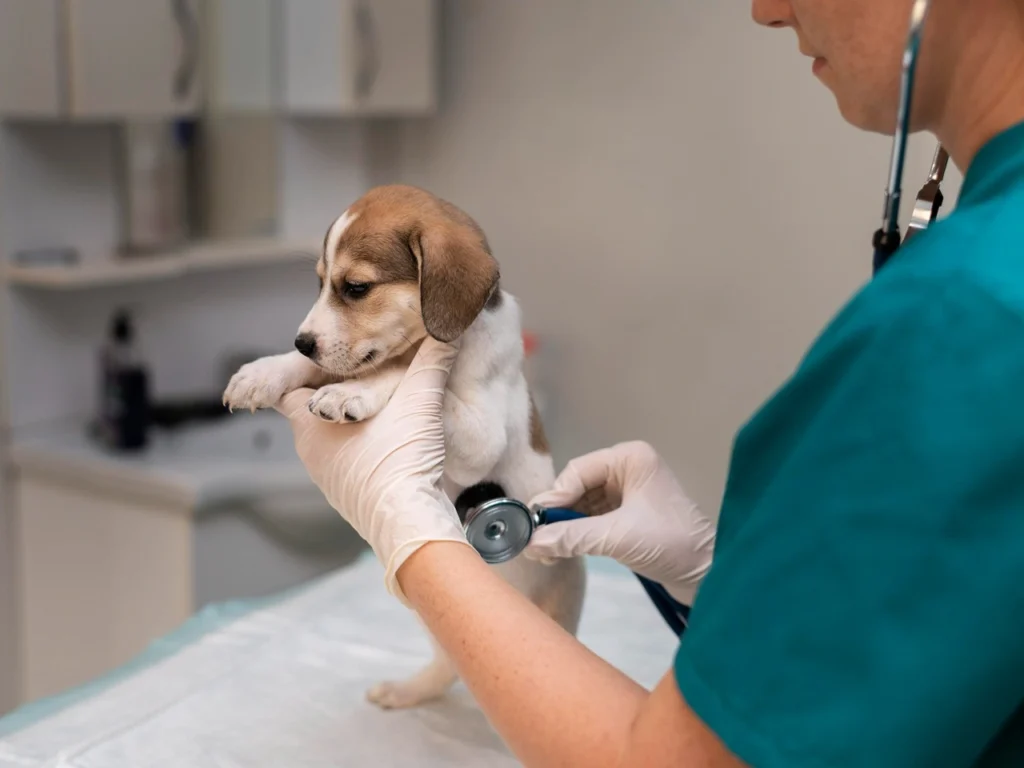
Bringing a puppy home is one of life’s most rewarding experiences. The first few weeks are filled with excitement, cuddles, and learning how to care for this furry new family member. While feeding, training, and play are all important, every pet owner should prioritize one crucial responsibility: vaccinations. These simple shots protect your puppy from deadly diseases and lay the foundation for a healthy, long life. Understanding which vaccinations are necessary, when to administer them, and their importance is essential for your dog’s health.

Why Puppy Vaccinations Are Important

Puppies are born with a fragile immune system and cannot fight off infections on their own. They receive some immunity through their mother’s milk, but this protection wears off after a few weeks. Vaccinations safely introduce weakened or inactivated viruses or bacteria into the puppy’s body, allowing their immune system to build resistance. If your dog encounters a serious illness later in life, their body can fight it off quickly and effectively. Unvaccinated puppies are highly susceptible to serious illnesses such as distemper, canine parvovirus, or rabies—diseases that can be fatal or cause lifelong complications. Vaccinations are important not only for the safety of your beloved pet, but also for preventing disease outbreaks and protecting other animals and even people around you.

Core Vaccines Every Puppy Needs

Regardless of breed, environment, or lifestyle, all dogs should receive core vaccines. These vaccines protect against highly contagious and often fatal diseases. One such core vaccine is the distemper vaccine, a viral disease that affects the respiratory, digestive, and nervous systems. Puppies with distemper typically experience coughing, vomiting, and fever, and in severe cases, seizures. Currently, there is no cure for distemper, so vaccination is the only effective defense. Another important vaccine is the canine parvovirus vaccine, which causes severe vomiting and diarrhea and can lead to dehydration and even death, especially in puppies. The parvovirus vaccine for dogs is life-saving and must be administered promptly for optimal protection.

Canine adenovirus causes infectious hepatitis, another disease covered by the core vaccines. It damages the liver and kidneys and is easily transmitted between dogs. This vaccine offers strong protection and is usually administered in combination with the distemper and parvovirus vaccines, requiring only one injection. It is commonly known as the triple vaccine for distemper, canine parvovirus, canine parainfluenza, and canine adenovirus (DHPP). Finally, rabies vaccination is mandatory in most areas because rabies is fatal and can be transmitted to humans. Rabies attacks the nervous system, causing aggression, paralysis, and ultimately death. Vaccinating your puppy against rabies is not only a legal requirement but also an important step in protecting your family and community.

When should you vaccinate your puppy?

The timing of vaccination plays a crucial role in its effectiveness. Puppies usually begin vaccinations between six and eight weeks of age, when the antibodies they inherit from their mother begin to weaken. The first dose activates the immune system, and subsequent vaccinations strengthen and prolong this protection. Your veterinarian will typically recommend vaccinations every three to four weeks until the puppy is about sixteen weeks old. This ensures that the puppy’s immune system is fully developed and can effectively fight off disease.

After your puppy has received its initial vaccinations, it will need regular booster vaccinations throughout its life. Depending on the type of vaccination and your veterinarian’s recommendation, these are usually annually or every three years. Missing or delaying vaccinations can make your puppy more susceptible to disease, so it’s best to vaccinate on a schedule. Most veterinarians provide vaccination cards to help you keep track of each vaccination.

Choosing Non-Core Vaccinations Based on Lifestyle

While all puppies need core vaccinations, non-core vaccinations are optional and depend on your puppy’s lifestyle and environment. For example, if your puppy regularly visits dog parks, daycare centers, or grooming salons, your veterinarian may recommend a Bordetella vaccination to prevent kennel cough. This respiratory infection spreads quickly through close contact between dogs and can cause persistent, severe coughing.

Another commonly used, non-core vaccination is the leptospirosis vaccine.

You may notice slight swelling or a small bump at the injection site. This usually disappears within a day or two. After vaccination, avoid overexerting your puppy: let them rest, provide plenty of water, and observe them closely. In rare cases, puppies can experience allergic reactions, such as facial swelling, vomiting, or difficulty breathing. Contact your veterinarian immediately if you notice any of these symptoms.

Providing your veterinarian with a complete medical history helps minimize the risk. Inform your veterinarian if your puppy has previously had allergic reactions, is taking medications, or seems ill on the day of vaccination. Proper care before and after vaccination helps keep your puppy comfortable and safe.

Disease Prevention Beyond Vaccinations

Vaccinations are an important part of disease prevention, but they are not the only measure to keep your puppy healthy. Regular weight checks, a balanced diet, and parasite control are equally important. Parasites, fleas, and ticks can weaken a dog’s immune system, making them more susceptible to illness. Keeping your puppy’s living environment clean, providing fresh drinking water, and maintaining good personal hygiene all contribute to their overall health. Safely socializing puppies with vaccinated dogs in a clean environment helps boost their confidence and avoid unnecessary risks. Preventing stress through proper grooming, attention, and training also helps strengthen a puppy’s immune system.

Frequently Asked Questions

How many vaccinations does a puppy need in total?

Most puppies receive three rounds of core vaccinations within the first 16 weeks of life, followed by a rabies vaccination and annual boosters to maintain immunity.

Can I take my puppy outside before he has had all his vaccinations?

It’s best to limit a puppy’s exposure to public places until he has had all his core vaccinations. Safe socialization with a fully vaccinated dog in a controlled environment is feasible.

Are puppy vaccinations safe?

Yes, vaccines are safe and have been extensively tested. Side effects from vaccines are usually mild and short-lived, while the protection they provide is long-lasting and can even be life-saving.

What if my puppy misses a vaccination?

If your puppy misses its scheduled vaccination, contact your veterinarian as soon as possible. They will advise you on how to restart the vaccination course without having to repeat the entire treatment.

Do adult dogs still need vaccinations?

Yes, adult dogs need regular booster vaccinations to maintain immunity against major diseases. Even if your dog rarely goes outside, preventing rabies and other viruses remains crucial.

Conclusion

Vaccinating puppies is one of the most important steps for healthy growth. These simple preventive measures protect your pet from dangerous diseases and lay the foundation for a healthy lifespan. By following your veterinarian’s advice, adhering to the correct vaccination schedule, and having booster vaccinations administered on time, you can ensure your puppy grows up healthy, strong, and energetic. A well-protected dog is not only healthier but also happier, and will share many happy years with you.

Essential Vaccinations Your Puppy Needs for a Healthy Start Read More »

Why Regular Vet Visits Are Important for Your Dog’s Health?

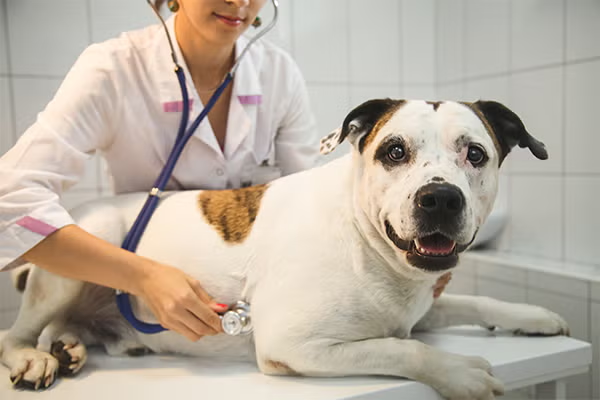
Every pet owner wants their beloved dog to live a healthy, long, and happy life. However, many people overlook a crucial aspect of responsible dog ownership: regular veterinary checkups. Just as people need regular vet visits to maintain their health, dogs require ongoing veterinary care to detect, prevent, and treat health problems before they become serious. Even if your dog appears perfectly healthy, some underlying problems can develop unnoticed over time. Regular checkups ensure your dog is in optimal condition and detect potential problems early.

Early Detection of Health Problems

Dogs are very good at hiding discomfort and pain. By the time you notice obvious symptoms, the problem may already be more serious. Regular veterinary checkups can detect potential health problems early through physical examinations, laboratory tests, and screenings. Diseases such as diabetes, heart disease, arthritis, and certain types of cancer can often be detected early, when treatment is most effective. Early intervention not only prevents your dog from suffering unnecessary pain but also saves you expensive emergency care later.

Preventive Care and Vaccinations

Prevention is better than cure. Regular veterinary visits ensure your dog receives the necessary vaccinations and prevents serious diseases such as rabies, distemper, parvovirus, and leptospirosis. Your veterinarian will develop a vaccination schedule based on your dog’s age, breed, and lifestyle. In addition to vaccinations, regular preventive treatment against fleas, ticks, and parasites is crucial to protect your dog from parasites and prevent serious health problems. Regular preventive care keeps your dog’s immune system strong and protects them from common but dangerous diseases year-round.

Monitoring Weight and Nutrition

Maintaining a healthy weight is essential for your dog’s overall health. Obesity is one of the most common health problems in pets and leads to diabetes, joint problems, and heart disease. During your visit, your veterinarian will closely monitor your dog’s weight and overall condition. Your veterinarian can determine whether your dog is a healthy weight and provide nutritional advice based on age, activity level, and breed. They can also recommend a balanced diet, appropriate portion sizes, and appropriate supplements to keep your dog healthy and active.

Dental Health Assessment

Pet owners often neglect dental care, but it’s essential for your dog’s overall health. Bad breath, gingivitis, and tartar are more than just oral problems; they can cause infections to spread to vital organs like the heart, liver, and kidneys. During a regular veterinary checkup, your veterinarian will examine your dog’s teeth and gums for signs of cavities or other diseases. Your veterinarian can perform a professional dental cleaning and instruct you on how to maintain your dog’s oral hygiene at home. Healthy teeth lead to a healthier, happier dog and a longer lifespan.

Parasite Control and Prevention

Fleas, ticks, and worms may seem like a minor inconvenience, but they can cause serious damage if left untreated. Regular veterinary visits allow your dog to be assessed for parasite infection and to recommend safe and effective preventive measures. Internal parasites such as roundworms and hookworms can cause anemia and digestive problems, while ticks and fleas can transmit diseases. Regular checkups ensure your dog is protected before infections become serious. Furthermore, your veterinarian can develop a personalized preventive plan based on your dog’s environment, habits, and exposure risks.

Caring for Senior Dogs and Age-Related Changes

As dogs age, their health needs change significantly. Senior dogs are more susceptible to conditions such as arthritis, diabetes, vision loss, and heart disease. Regular veterinary visits are especially important in later life to ensure early diagnosis and proper treatment of age-related health problems. Your veterinarian may recommend blood tests, X-rays, or a special diet for senior dogs. Regular checkups help your dog stay comfortable and active for as long as possible, so you and your pet can enjoy more of your precious time together.

Understanding your dog’s medical history and personality allows your veterinarian to better detect subtle changes and provide personalized care. This trusting relationship also helps reduce your dog’s anxiety during visits, as the environment and staff become familiar. A veterinarian who truly understands your dog’s needs provides better medical advice, more accurate diagnoses, and gives you peace of mind as a pet owner.

The Economic Benefits of Regular Checkups

Some may think that fewer vet visits save money, but in reality, preventative care is much less expensive than emergency treatments. Early detection means lower medical costs and less expensive surgery in the future. Vaccinations, parasite control, and early screening can prevent serious illnesses that may require hospitalization or surgery. Consider regular vet visits an investment in your dog’s long-term health and well-being—ultimately saving you both time and money.

Keeping Vaccination and Health Records Up-to-Date

Another important benefit of regular vet visits is keeping your dog’s medical records up-to-date. This information is crucial for boarding, travel, and emergencies. It helps keep track of your dog’s vaccinations, allergies, medications, and medical history, ensuring safe and effective future treatments. Up-to-date health records also allow your new veterinarian to monitor your dog’s health when you move or change clinics. Organized health records ensure your pet receives continuous professional care, wherever they are.

Frequently Asked Questions

1. How often should I take my dog ​​to the vet?

Puppies should be checked every few weeks for vaccinations and early care. Adult dogs typically need at least one checkup per year, while older dogs may need to be checked every six months for age-related health issues.

2. What does a routine checkup entail?

A typical checkup includes a physical examination, weight and temperature checks, dental checkups, and sometimes lab tests or vaccinations. Your veterinarian can also discuss diet, behavior, and preventative care with you.

3. My dog ​​seems healthy – does he still need regular vet visits?

Yes, even healthy dogs need regular checkups. Many health problems develop silently, with obvious symptoms only appearing when the condition becomes serious. Regular vet visits help detect problems early.

4. Is annual vaccination really necessary?

Yes, vaccinations can prevent serious and even fatal diseases. Your veterinarian will develop an appropriate vaccination schedule based on your dog’s age, lifestyle, and risk level.

5. How can you reduce stress for your dog at the vet?

Bring treats, talk calmly to your dog, and reward him after each visit. Taking your dog to the clinic regularly for weigh-ins or greetings helps him adjust gradually.

Conclusion

Regular vet visits are a responsible obligation for any pet owner and an important factor in your dog’s health, even for the rest of his life. From early disease detection and prevention to advice on nutrition, dental care, and behavior, your veterinarian is your best partner for your dog’s happy and healthy growth. Skipping occasional checkups can save time, but in the long run, it can cost you more—not only financially but also detrimental to your dog’s health. Taking your dog to the vet regularly is the best gift you can give your furry friend: a healthier, longer, and happier life with you.

Why Regular Vet Visits Are Important for Your Dog’s Health? Read More »