How to Potty Train Your Puppy Quickly and Easily?
Bringing a new puppy home is an exciting experience, but one of the first challenges many pet owners face is potty training. To keep your home clean, have a well-behaved dog, and have a strong bond with your furry friend, you need to teach your puppy when and where to go to the bathroom. Potty training takes time and effort, but there are ways to speed up the process and make it easier for you and your puppy. This guide gives you real, tried-and-true ways to quickly and effectively potty train your puppy.
Set up a regular schedule
Being consistent is the key to successful potty training. Setting a regular schedule for your puppy helps them learn when and where to go, and they do best with predictable schedules. Every day, feed your puppy at the same times and take them outside right after meals, naps, and playtime. Taking your puppy outside to go to the bathroom on a regular basis will help them understand that this is the right place to go.
Pick a specific place for the potty
Choose a certain spot in your yard or nearby outdoor space where your puppy can always go. Taking your puppy to the same place every time helps them learn the habit and makes it easier for them to connect that place with potty time. Using a consistent command, such as “go potty,” while your puppy eliminates can also help them connect the action with the cue. Your puppy will learn to follow the command and know what to do over time.
Watch Your Puppy Inside
During the potty training process, supervision is very important. To avoid accidents and catch early signs that your puppy needs to go, keep a close eye on them when they’re inside. Some signs are sniffing around, going in circles, whining, or going to the door. If you can’t watch them directly, think about putting them in a crate or a small area where they can’t go to the bathroom.
How to Use Crate Training Well
Crate training is a great way to help your dog learn how to use the bathroom. Dogs naturally don’t want to go to the bathroom where they sleep, so a crate that fits them well makes them wait until they are outside. Make sure the crate is big enough for your puppy to stand up, turn around, and lie down comfortably. It shouldn’t be so big that they can go to the bathroom in one corner and sleep in another. To reinforce good habits, give your dog crate time and take them out to go to the bathroom often.
Praise and reward good behavior
To train your child to use the potty quickly, you need to use positive reinforcement. Give your puppy treats, praise, or playtime right after they go to the bathroom in the right place. Timing is very important; rewards should happen right after the behavior so your puppy can make the connection. Don’t punish accidents because they can make people scared and confused. Instead, calmly clean up and show your puppy where to go.
Stay calm when accidents happen
It’s normal for kids to have accidents while they’re learning to use the potty, especially in the first few weeks. Don’t scold your puppy because it can make learning harder. Use an enzymatic cleaner to get rid of smells and keep your puppy from going back to the same spot. For long-term success, consistency, supervision, and regular potty breaks are better than punishment.
Keep an eye on the schedule for feeding and watering.
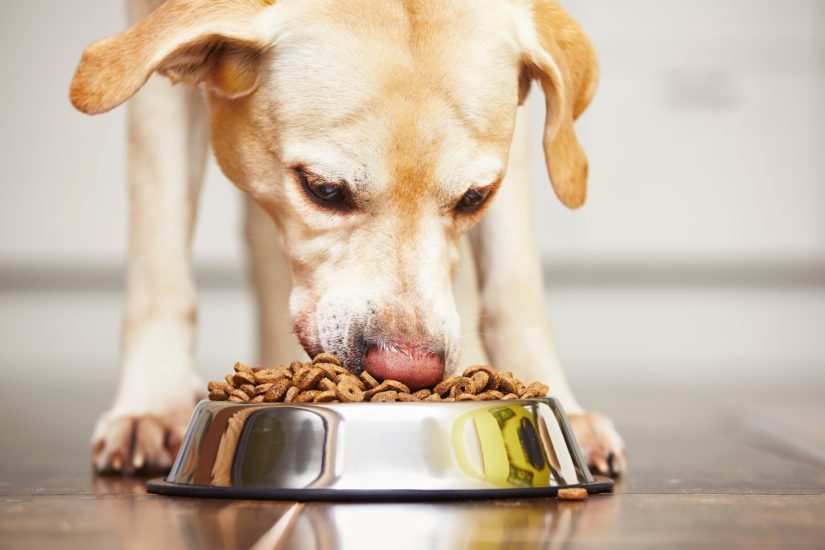
You can guess when your puppy needs to go potty by keeping track of how much food and water they eat. Set times for feeding your puppy and don’t let them eat whenever they want, as this can make their bathroom habits unpredictable. Scheduled feeding times are in line with potty breaks and cut down on accidents because puppies usually need to go right after eating. Also, don’t let your puppy drink too much water right before bed, but make sure he or she stays hydrated during the day.
Be patient and keep going.
You need time, patience, and determination to potty train. Some puppies learn faster than others, and some may take longer. To help people stick to good habits, they need to be consistent, supervised, and rewarded. Celebrate small wins and keep being supportive. Being patient will help your puppy feel more secure and lower stress for both of you.
Frequently Asked Questions
1. How long does it take to teach a puppy to use the potty?
Most puppies learn how to go to the bathroom in the right place within 4–6 weeks, but it can take several months to fully house train a dog, depending on the breed, age, and how often they are trained.
2. Is it possible to crate train my puppy too much?
Don’t leave your puppy in the crate for long periods of time. You shouldn’t keep puppies in one place for more than a few hours at a time because they need to go to the bathroom, exercise, and be around other dogs.
3. What should I do if my puppy keeps making messes inside?
Make sure the crate or confinement area is the right size, schedule more potty breaks, and keep an eye on them more. When your puppy goes in the right place, always give them a reward.
4. Are potty training pads a good idea?
Potty pads can help for a short time, especially if you live in an apartment or indoors, but for long-term house training, it’s best to switch to outdoor elimination.
5. Should I punish my puppy when he makes a mistake?
No. Punishment can make people scared and anxious. If your puppy has an accident, calmly clean it up and take him or her to the right potty area to reinforce good habits.
In the end
You can quickly and easily potty train your puppy if you are patient, consistent, and give them positive feedback. Setting up a schedule, picking a specific potty spot, watching your puppy, and using crate training correctly all help them learn faster. You can make a supportive learning environment by rewarding good behavior and staying calm when accidents happen. Keep in mind that every puppy is different, so be patient and keep trying. Your puppy will soon learn where and when to go to the bathroom with these tips. This will make your home cleaner, give your puppy more confidence, and make your bond with your furry friend stronger.
How to Potty Train Your Puppy Quickly and Easily? Read More »