
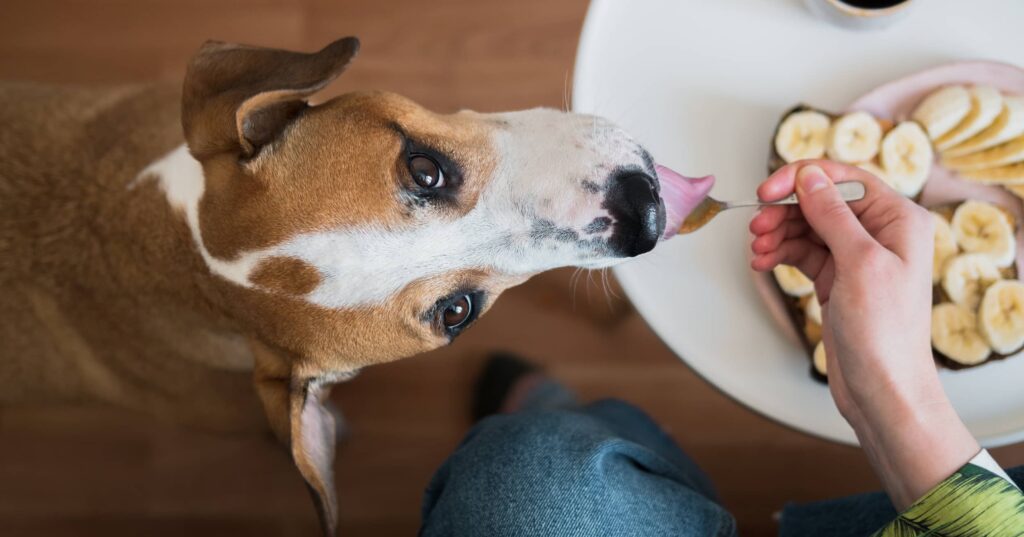
It’s normal for a dog owner who loves their pet to want to share their food with them. Some foods that people eat are bad for dogs, but most foods that people eat every day are fine in small amounts. Sharing these safe treats with your dog not only lets them try new flavors, but it also adds healthy nutrients to their diet. To keep your dog healthy and happy, you need to know which foods are safe, how to serve them, and how much to give them. This guide talks about different types of human food that dogs can safely eat in small amounts, as well as how to do so in a responsible way.
Safe Fruits for Dogs
Fruits are full of vitamins, minerals, and antioxidants that help your dog’s immune system, digestion, and health in general. For instance, apples are a great source of vitamin C and fiber. Always take out the seeds and core before giving them to your pet. Apple seeds have small amounts of cyanide in them, which can be bad for them. Blueberries are a great low-calorie snack because they are full of antioxidants. Bananas are a good source of potassium and fiber, but you shouldn’t give them too much because they have a lot of sugar. Strawberries, watermelon (without seeds or rind), and pears (without seeds) are also good and safe choices. Moderation is key to avoiding stomach problems or too much sugar.
Dogs Can Eat These Vegetables
Not only are many vegetables safe for your dog, but they are also good for their health. Carrots are a crunchy, low-calorie snack that is good for your teeth and gives you vitamin A. Green beans are high in fiber, which can help dogs feel full without adding a lot of calories. Sweet potatoes are a good source of fiber, beta-carotene, and complex carbohydrates. Cucumbers and zucchini are great summer snacks because they are low in calories and keep you hydrated. Always wash vegetables well, take off any stems or seeds, and serve them plain, without any oils, sauces, or seasonings.
Proteins That Can Be Shared
Lean, cooked meats can be a healthy addition to your dog’s diet. Skinless and boneless chicken, turkey, or lean beef are all great sources of protein and amino acids that your muscles need to stay healthy. Fish like salmon and sardines are good for your coat and skin because they have omega-3 fatty acids. When cooked all the way through, eggs are a full source of protein and important nutrients like vitamin D and choline. Don’t give your pets raw meat, fish, or eggs because they could get sick from bacteria. Also, always take out any bones so that no one chokes or hurts their intestines.
A Little Bit of Dairy
Some dogs can handle dairy products, which are good sources of protein and calcium. Plain yogurt, especially kinds with live cultures, can help your gut and digestion. You can use small amounts of cheese as a treat now and then or to hide medicine. But a lot of dogs can’t handle lactose, so watch out for signs like gas or diarrhea. To make sure your dog can handle dairy, always give it to them in small amounts and slowly. Stay away from flavored or sweetened dairy products because they often have sugar or other chemicals that are bad for dogs.
Carbs and grains
Some cooked grains and starchy foods are safe to eat in small amounts. Many people recommend plain rice and oatmeal for dogs who have upset stomachs because they are easy on their stomachs. Quinoa is a good source of protein, fiber, and important amino acids. It’s okay to have small amounts of whole-grain bread or pasta as a treat from time to time, but stay away from processed kinds that have added sugar, salt, or artificial ingredients. To keep a healthy weight and avoid eating too many calories, moderation is key.
Things to think about are nuts and seeds.
Some nuts are safe for dogs to eat in small amounts, but many are not. Raw, unsalted peanuts (not peanut butter with xylitol) are usually safe and are a good source of healthy fats and protein. Sunflower seeds that don’t have shells are another healthy choice. Never give macadamia nuts, almonds in large amounts, or salted and flavored nuts to your dog. These can be very bad for their health. You should always give nuts in small amounts and slowly because they are high in fat and can cause pancreatitis if you eat too many of them.
Things to Stay Away From
Some human foods are very bad for dogs, even when they are shared. Never feed your dog chocolate, grapes, raisins, onions, garlic, caffeine, alcohol, xylitol, or fake sweeteners. These foods can make you throw up, have diarrhea, or even kill you. Before giving your pet a new food, always do some research on it. If you’re not sure if an ingredient is safe, talk to your vet.
How to Safely Feed People Food
When giving your dog human food, you need to be careful and only give them a little bit at a time. To keep from choking, cut food into small pieces. Don’t add salt, sugar, spices, or sauces. Start giving your dog new foods slowly and watch for any digestive problems. To keep your dog’s diet balanced, treats, even healthy ones, should make up no more than 10% of their daily calories. Adding safe human foods to your dog’s regular diet from time to time can be a good way to add variety without replacing dog food that is complete in nutrients.
Questions and Answers
1. Is it okay to give my dog fruits and veggies every day?
Yes, but only in small amounts. Fruits and vegetables should only make up 10% of your dog’s daily calories and should not be the main part of their diet.
2. Is it safe for dogs to eat all nuts?
No. Some nuts, like unsalted peanuts and sunflower seeds, are safe. Don’t eat macadamia nuts, walnuts, or any salted or flavored kinds.
3. Is it okay for dogs to eat cooked grains like rice or quinoa every day?
You can give your dog plain, cooked grains every now and then as part of a healthy diet. Don’t add any sauces or seasonings.
4. How do I give my dog new foods for people?
Give your dog small amounts of food at first and watch for signs of digestive problems like vomiting or diarrhea. Add one new food at a time.
5. Is it safe for all dogs to eat dairy?
Some dogs can’t handle dairy. Start with small amounts of plain yogurt or cheese and watch for any signs that you can’t handle lactose.
Final Thoughts
Giving your dog safe human foods can be a fun way to add variety and nutrition to their diet. Fruits, vegetables, lean proteins, some grains, and small amounts of dairy or safe nuts are all good sources of vitamins, minerals, and other nutrients. To make sure your dog can safely enjoy these treats, you need to be careful about how you prepare them and know which foods are toxic. You can improve your dog’s diet, support their health, and make mealtime more fun for both of you by responsibly adding these human foods to their diet.