
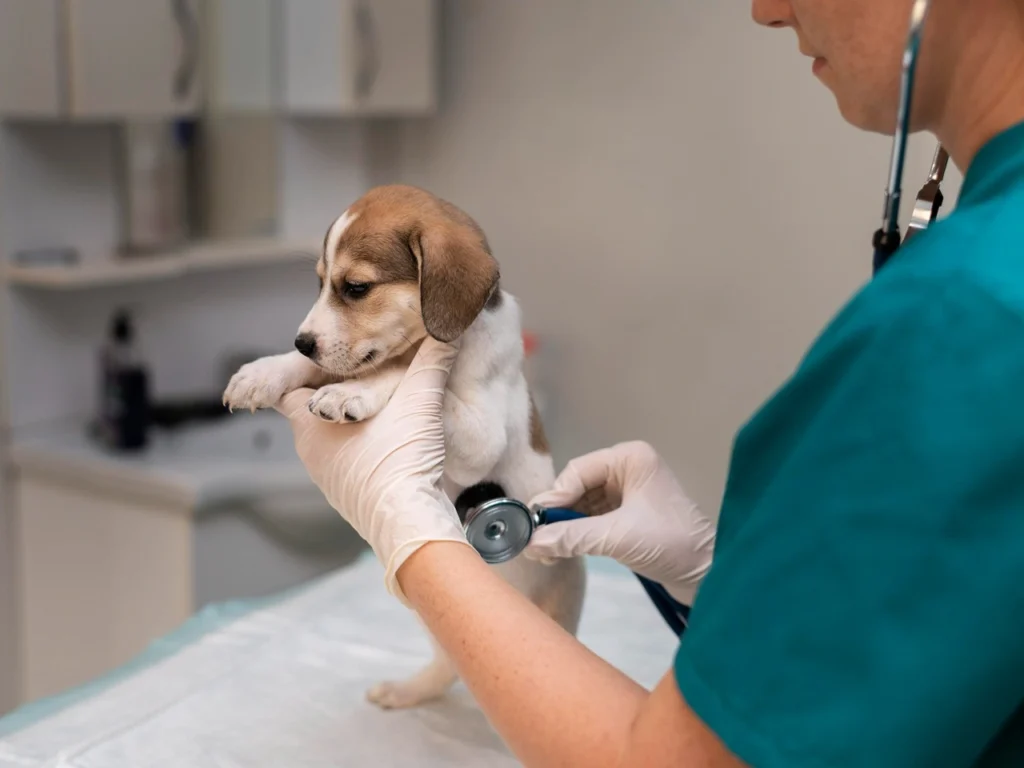
Bringing a puppy home is one of life’s most rewarding experiences. The first few weeks are filled with excitement, cuddles, and learning how to care for this furry new family member. While feeding, training, and play are all important, every pet owner should prioritize one crucial responsibility: vaccinations. These simple shots protect your puppy from deadly diseases and lay the foundation for a healthy, long life. Understanding which vaccinations are necessary, when to administer them, and their importance is essential for your dog’s health.
Why Puppy Vaccinations Are Important
Puppies are born with a fragile immune system and cannot fight off infections on their own. They receive some immunity through their mother’s milk, but this protection wears off after a few weeks. Vaccinations safely introduce weakened or inactivated viruses or bacteria into the puppy’s body, allowing their immune system to build resistance. If your dog encounters a serious illness later in life, their body can fight it off quickly and effectively. Unvaccinated puppies are highly susceptible to serious illnesses such as distemper, canine parvovirus, or rabies—diseases that can be fatal or cause lifelong complications. Vaccinations are important not only for the safety of your beloved pet, but also for preventing disease outbreaks and protecting other animals and even people around you.
Core Vaccines Every Puppy Needs
Regardless of breed, environment, or lifestyle, all dogs should receive core vaccines. These vaccines protect against highly contagious and often fatal diseases. One such core vaccine is the distemper vaccine, a viral disease that affects the respiratory, digestive, and nervous systems. Puppies with distemper typically experience coughing, vomiting, and fever, and in severe cases, seizures. Currently, there is no cure for distemper, so vaccination is the only effective defense. Another important vaccine is the canine parvovirus vaccine, which causes severe vomiting and diarrhea and can lead to dehydration and even death, especially in puppies. The parvovirus vaccine for dogs is life-saving and must be administered promptly for optimal protection.
Canine adenovirus causes infectious hepatitis, another disease covered by the core vaccines. It damages the liver and kidneys and is easily transmitted between dogs. This vaccine offers strong protection and is usually administered in combination with the distemper and parvovirus vaccines, requiring only one injection. It is commonly known as the triple vaccine for distemper, canine parvovirus, canine parainfluenza, and canine adenovirus (DHPP). Finally, rabies vaccination is mandatory in most areas because rabies is fatal and can be transmitted to humans. Rabies attacks the nervous system, causing aggression, paralysis, and ultimately death. Vaccinating your puppy against rabies is not only a legal requirement but also an important step in protecting your family and community.
When should you vaccinate your puppy?
The timing of vaccination plays a crucial role in its effectiveness. Puppies usually begin vaccinations between six and eight weeks of age, when the antibodies they inherit from their mother begin to weaken. The first dose activates the immune system, and subsequent vaccinations strengthen and prolong this protection. Your veterinarian will typically recommend vaccinations every three to four weeks until the puppy is about sixteen weeks old. This ensures that the puppy’s immune system is fully developed and can effectively fight off disease.
After your puppy has received its initial vaccinations, it will need regular booster vaccinations throughout its life. Depending on the type of vaccination and your veterinarian’s recommendation, these are usually annually or every three years. Missing or delaying vaccinations can make your puppy more susceptible to disease, so it’s best to vaccinate on a schedule. Most veterinarians provide vaccination cards to help you keep track of each vaccination.
Choosing Non-Core Vaccinations Based on Lifestyle
While all puppies need core vaccinations, non-core vaccinations are optional and depend on your puppy’s lifestyle and environment. For example, if your puppy regularly visits dog parks, daycare centers, or grooming salons, your veterinarian may recommend a Bordetella vaccination to prevent kennel cough. This respiratory infection spreads quickly through close contact between dogs and can cause persistent, severe coughing.
Another commonly used, non-core vaccination is the leptospirosis vaccine.
You may notice slight swelling or a small bump at the injection site. This usually disappears within a day or two. After vaccination, avoid overexerting your puppy: let them rest, provide plenty of water, and observe them closely. In rare cases, puppies can experience allergic reactions, such as facial swelling, vomiting, or difficulty breathing. Contact your veterinarian immediately if you notice any of these symptoms.
Providing your veterinarian with a complete medical history helps minimize the risk. Inform your veterinarian if your puppy has previously had allergic reactions, is taking medications, or seems ill on the day of vaccination. Proper care before and after vaccination helps keep your puppy comfortable and safe.
Disease Prevention Beyond Vaccinations
Vaccinations are an important part of disease prevention, but they are not the only measure to keep your puppy healthy. Regular weight checks, a balanced diet, and parasite control are equally important. Parasites, fleas, and ticks can weaken a dog’s immune system, making them more susceptible to illness. Keeping your puppy’s living environment clean, providing fresh drinking water, and maintaining good personal hygiene all contribute to their overall health. Safely socializing puppies with vaccinated dogs in a clean environment helps boost their confidence and avoid unnecessary risks. Preventing stress through proper grooming, attention, and training also helps strengthen a puppy’s immune system.
Frequently Asked Questions
How many vaccinations does a puppy need in total?
Most puppies receive three rounds of core vaccinations within the first 16 weeks of life, followed by a rabies vaccination and annual boosters to maintain immunity.
Can I take my puppy outside before he has had all his vaccinations?
It’s best to limit a puppy’s exposure to public places until he has had all his core vaccinations. Safe socialization with a fully vaccinated dog in a controlled environment is feasible.
Are puppy vaccinations safe?
Yes, vaccines are safe and have been extensively tested. Side effects from vaccines are usually mild and short-lived, while the protection they provide is long-lasting and can even be life-saving.
What if my puppy misses a vaccination?
If your puppy misses its scheduled vaccination, contact your veterinarian as soon as possible. They will advise you on how to restart the vaccination course without having to repeat the entire treatment.
Do adult dogs still need vaccinations?
Yes, adult dogs need regular booster vaccinations to maintain immunity against major diseases. Even if your dog rarely goes outside, preventing rabies and other viruses remains crucial.
Conclusion
Vaccinating puppies is one of the most important steps for healthy growth. These simple preventive measures protect your pet from dangerous diseases and lay the foundation for a healthy lifespan. By following your veterinarian’s advice, adhering to the correct vaccination schedule, and having booster vaccinations administered on time, you can ensure your puppy grows up healthy, strong, and energetic. A well-protected dog is not only healthier but also happier, and will share many happy years with you.