
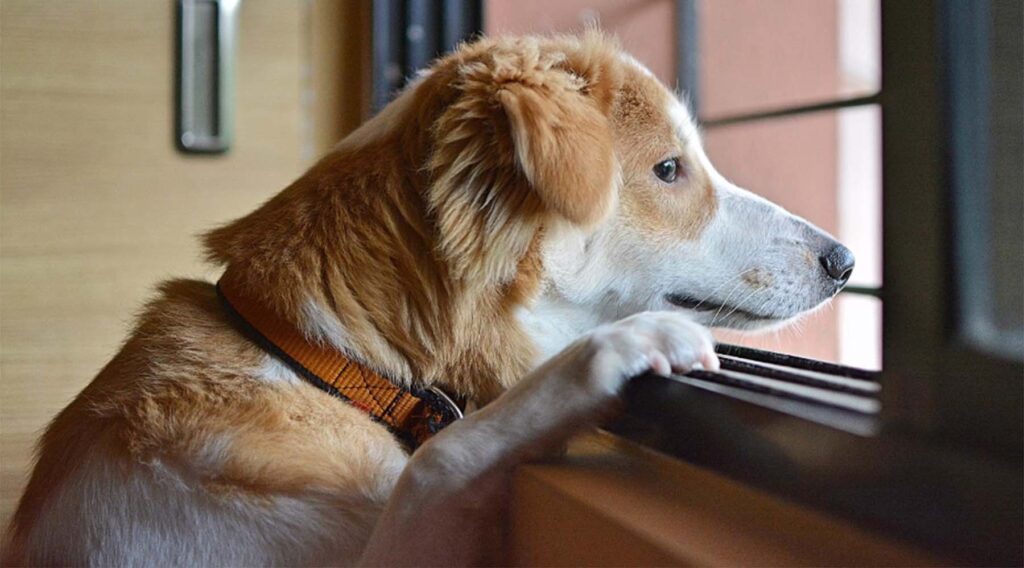
Separation anxiety is a common behavioral problem in dogs that can make both pets and their owners unhappy. When left alone, dogs with separation anxiety may bark too much, act destructively, or try to get away. Knowing what causes your dog’s anxiety, spotting the signs, and using effective strategies can help your dog feel safer and lower stress for everyone. This guide gives you useful tips on how to help your dog with separation anxiety at home.
Know the Signs of Separation Anxiety
Recognizing the signs is the first step in dealing with separation anxiety. Some common signs are barking or whining too much, chewing on furniture or doors, pacing, drooling, peeing or pooping inside even though they are house-trained, and trying to get out of small spaces. These behaviors usually happen right after the owner leaves or when they know they will be leaving soon. Understanding these signs can help you tell the difference between separation anxiety and other behavioral issues.
Desensitization over time
One of the best ways to help dogs deal with being alone is to slowly desensitize them. Begin by leaving your dog alone for short periods of time and then slowly lengthening those times. Start with only a few minutes and then gradually increase the time as your dog gets used to it. When you leave, give your child something good to do, like leaving a favorite toy or treat, to help them feel better about being alone.
Make a space that is safe and comfortable.
Giving someone a safe, comfortable place to be can help ease their anxiety. A lot of dogs feel safe in a crate or a room that has their bed, toys, and water. Put blankets, favorite toys, and smells that are familiar in the area to make it more inviting. Don’t leave the dog in places where they could hurt themselves or damage property. A safe space makes your dog feel safe and helps them relax when they’re by themselves.
Keep Arrivals and Departures Low-Key
When owners make a big deal out of leaving or arriving, dogs often get nervous. To ease your anxiety, keep your goodbyes short and calm, and don’t say goodbye for too long. When you get home, say hello to your dog in a calm way. This method helps keep your dog from connecting your comings and goings with high levels of excitement or stress.
Give your mind and body a workout
A dog that is tired is less likely to get anxious. Regular exercise and mental stimulation lower stress and use up energy that could otherwise turn into anxiety. Before you leave the house, walk your dog, play with it, or give it puzzle toys. When your dog is alone, mental and physical stimulation can help keep them busy and calm.
Use Positive Reinforcement
Give your dog treats when they are calm when they are alone or when you leave them alone. Don’t punish anxious behavior because it can make things worse. Positive reinforcement makes the behavior you want stronger, which helps your dog stay calm even when they’re alone. Praise, treats, or toys that require interaction can help keep a relaxed state.
Think about calming tools and products
Calming collars, pheromone diffusers, and background music made for pets are just a few of the things that can help dogs feel less anxious. These items make the environment more relaxing and can help with training. Always keep an eye on how your dog reacts and talk to your vet before giving them any calming aids or supplements.
Get Professional Help When You Need It
If your dog’s separation anxiety is bad or doesn’t go away even after you try to help, you should talk to a vet or a professional dog behaviorist. Sometimes, your dog may need behavioral therapy or short-term medication to help them deal with their anxiety. With professional help, you can make a plan that meets your dog’s needs in a safe and effective way.
Questions and Answers
1. How often do dogs have separation anxiety?
Around 14% to 20% of dogs have separation anxiety, and it happens more often in adopted dogs or dogs that have been through trauma.
2. Do puppies get anxious when they are left alone?
Yes. Puppies can develop anxiety when separated from their mother or littermates. Early socialization and slowly getting used to being alone can help avoid problems.
3. How long does it take to get over separation anxiety?
The dog’s level of anxiety and the severity of it will affect how much better they get. With regular training and care, progress is usually seen in a few weeks to a few months.
4. Does crate training help with anxiety about being alone?
Yes, if you do it right. A crate that is the right size can give your dog a safe place to be, but you shouldn’t use it as a punishment or leave them there for long periods of time.
5. Should I pay attention to my dog before I leave?
Keep departures calm and low-key. Saying goodbye in a very emotional way can make your dog more anxious instead of less.
In conclusion
To help a dog with separation anxiety, you need to be patient, consistent, and understanding. You can help your dog feel more secure and less anxious by recognizing the signs, slowly getting him used to being alone, giving him a safe place to stay, and rewarding him for good behavior. Calm arrivals and departures, as well as mental and physical stimulation, are good for your dog’s emotional health. For very bad cases, getting help from a professional makes sure that management is safe and effective. If you spend time and effort with your dog, they can learn to handle being alone. This will make them happier and more relaxed, and your home will be more peaceful.