
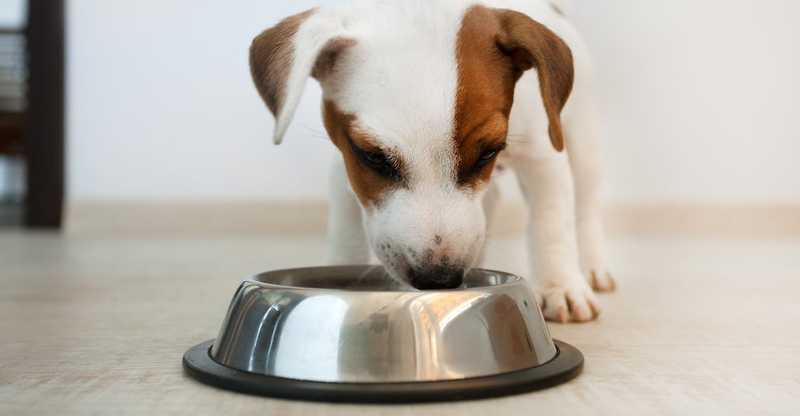
Feeding a puppy properly is one of the most important steps in ensuring they grow into a healthy, happy, and energetic adult dog. Puppies have unique nutritional needs because they are growing rapidly, developing strong bones and muscles, and building their immune systems. Unlike adult dogs, puppies require smaller, more frequent meals throughout the day to maintain steady energy levels and proper digestion. Understanding how much and how often to feed your puppy can prevent underfeeding, overfeeding, and nutritional imbalances. This guide provides a comprehensive approach to creating an effective puppy feeding schedule tailored to your pet’s needs.
Why a Feeding Schedule Matters
A consistent feeding schedule establishes structure in your puppy’s daily routine. Puppies thrive on predictability, and scheduled meals help regulate their digestion, reduce accidents in the house, and prevent overeating. Feeding at set times also allows you to monitor your puppy’s appetite, weight gain, and overall health. An organized schedule ensures your puppy receives the nutrients they need at the right times, supporting healthy growth and development.
How Much to Feed Your Puppy
The amount of food a puppy needs depends on their breed, age, weight, and activity level. Puppies have higher caloric and protein requirements than adult dogs because they are growing rapidly. Most commercial puppy foods provide feeding guidelines based on weight and age, which serve as a helpful starting point. Generally, small-breed puppies require more calories per pound than large-breed puppies. Monitor your puppy’s body condition and adjust portions accordingly to avoid underfeeding or excessive weight gain. Consulting your veterinarian ensures your puppy receives an appropriate amount of nutrition for healthy development.
How Often to Feed Puppies
Puppies’ digestive systems are still developing, which means they cannot handle large meals all at once. Feeding frequency should be adjusted according to age:
-
6–12 weeks old: Puppies should be fed four times a day. Their small stomachs require frequent meals to maintain energy levels and support steady growth.
-
3–6 months old: Reduce feeding to three times a day. By this stage, puppies can handle slightly larger meals at less frequent intervals.
-
6–12 months old: Feed two times a day. Most puppies are ready to transition to an adult feeding schedule by their first birthday, though larger breeds may continue on a puppy-specific diet longer.
Regular feeding times help puppies develop a predictable routine and make house training easier.
Choosing the Right Puppy Food
High-quality puppy food is specially formulated to meet the nutritional needs of growing dogs. Look for foods with a balance of high-quality protein, healthy fats, and essential vitamins and minerals. Protein is critical for muscle development, while calcium and phosphorus support strong bones and teeth. Healthy fats provide energy, and DHA, an omega-3 fatty acid, supports brain and eye development. Avoid low-quality foods with fillers, artificial additives, or by-products, as they do not provide the essential nutrients your puppy needs.
Transitioning Between Foods
If you plan to switch puppy foods or transition from puppy food to adult food, do it gradually to prevent digestive upset. Mix a small amount of the new food with the old food, gradually increasing the proportion of the new food over 7–10 days. Watch for signs of diarrhea, vomiting, or loss of appetite, and adjust the transition pace if necessary. Gradual transitions help maintain your puppy’s digestive health and ensure they continue to receive adequate nutrition.
Tips for Feeding Puppies
-
Measure portions: Use a measuring cup to ensure accurate feeding amounts. Avoid free-feeding unless recommended by your veterinarian.
-
Avoid human food: Puppies are sensitive to certain human foods that may cause digestive upset or toxicity. Stick to high-quality puppy food.
-
Monitor weight and growth: Keep track of your puppy’s weight and body condition. Rapid weight gain or loss may indicate a need to adjust portions.
-
Provide fresh water: Puppies need constant access to clean water to stay hydrated, especially when consuming dry kibble.
-
Avoid overfeeding treats: Treats should be given sparingly and not exceed 10% of daily caloric intake.
Common Feeding Mistakes to Avoid
Feeding mistakes can affect your puppy’s health and development. Overfeeding can lead to obesity, joint issues, and digestive problems, while underfeeding can stunt growth and weaken the immune system. Skipping meals or feeding irregularly may cause anxiety and erratic energy levels. Avoid giving too many treats or table scraps, as they can unbalance nutrition and encourage begging behavior. Sticking to a consistent, well-planned feeding schedule is the best way to support a healthy, thriving puppy.
FAQs
1. How do I know if I am feeding my puppy enough?
Monitor their weight, body condition, and energy levels. A healthy puppy should have a slight waist, visible ribs without being prominent, and consistent growth.
2. Can I feed my puppy adult dog food?
No, adult dog food does not provide the nutrients required for growth. Puppies need food specifically formulated for their developmental stage.
3. Is it okay to free-feed my puppy?
Free-feeding can lead to overeating and obesity. Scheduled meals are recommended for proper growth, digestion, and training.
4. How long should I continue feeding puppy food?
Small breeds typically transition to adult food around 12 months, while large breeds may need puppy food up to 18–24 months. Consult your veterinarian for guidance.
5. Can treats be included in the feeding schedule?
Yes, but treats should be limited to no more than 10% of daily caloric intake to avoid unbalancing nutrition.
Conclusion
Creating a proper feeding schedule for your puppy is essential for their growth, health, and overall well-being. Understanding how much and how often to feed, selecting high-quality puppy food, and following a consistent routine will help your puppy develop strong bones, muscles, and a healthy metabolism. Avoid common feeding mistakes, monitor your puppy’s growth, and consult your veterinarian to ensure your puppy receives optimal nutrition. With the right feeding schedule, you are laying the foundation for a happy, healthy, and thriving adult dog.